
The Uncomfortable Truth: Regime Sycophants and the Stifled Revolution in Uganda
In the shadow of a dictatorship that has endured for decades, the words of Malcolm X’s seminal speech, ‘Message to the Grassroots’, ring with a chilling and profound relevance for contemporary Uganda. This analysis dismantles the carefully constructed façade of the Museveni regime, exposing a political system built not on genuine progress but on the sophisticated management of dissent. We delve into the uncomfortable analogies of the ‘house sycophant’ and the ‘field negro’, revealing a political class comfortably chained by patronage whilst the masses in the grassroots of Kasese, Karamoja, and Kampala’s slums bear the brunt of systemic failure.
 Exploring the central pillars of control—from the co-opting of intellectual thought and the taming of protest into mere theatre, to the weaponisation of ‘peace’ and the illusion of democratic autonomy—this examination questions the very nature of power, land, and freedom in Uganda. It argues that the true revolution, the one the regime fears most, is not a violent uprising but a fundamental revolution of the mind: a collective decision to stop asking for a place at the master’s table and to begin building a nation truly of, by, and for the Ugandan people. This is the unquenchable spark that threatens to ignite the fire next time.
In the bustling heart of Kampala, amidst the cacophony of boda-bodas and the vibrant street markets, a silent war of ideas is being waged. It is a war between complacency and change, between the comfort of the crumbs from the high table and the hunger for a seat of one’s own. Uganda has a serious problem. Not only does the government have a serious problem, but our people have a grave problem. The government’s problem, in its eyes, is us—the awakened citizens, the critical thinkers, the tired masses. The only reason it has a problem is that it doesn’t want a truly empowered, questioning populace here.
 We have a common enemy. We have this in common: a common oppressor, a common exploiter, and a common discriminator. Once we all realise that we have this common enemy, we can unite. And what we have foremost in common is that enemy—not a person, but a system of governance that prioritises power over people. This article is not a call to violence, but a Message to the Grassroots, a stark examination of why true revolution remains elusive in Uganda, co-opted by those who would rather serve the regime than the people.
20 Key Points: The Anatomy of a Stifled Revolution
The Illusion of Progress: The Dictator’s Crumbs and the Banquet of Freedom
In the long-standing reign of Dictator Yoweri Museveni, the political landscape has become a masterclass in the theatre of managed change. The regime has perfected the art of presenting incremental, often superficial, adjustments as monumental victories for the nation. This is the grand Illusion of Progress: a strategic sleight of hand designed to create an atmosphere of forward momentum while ensuring the foundational pillars of power remain unshaken. It is not revolution; it is managed concession, and understanding its mechanics is crucial to seeing the Ugandan situation for what it truly is.
 At the heart of this illusion lies a simple, yet devastatingly effective, principle: a spoonful of sugar helps the medicine go down. The “medicine” in this case is the bitter pill of entrenched autocracy, economic exclusion, and the systematic denial of genuine political power. The “spoonfuls of sugar” are the highly publicised, piecemeal projects and appointments meant to sweeten the national palate and distract from the underlying malaise.
The Mechanics of the Mirage
Infrastructure as Political Theatre: A new tarmac road, a commissioned health centre, or a rural electrification project are undeniably tangible. The regime wields these projects not merely as tools of development, but as potent political props. Each ribbon-cutting ceremony is a theatrical production, staged to create a visual narrative of a government tirelessly working for its people. The unspoken message is, “Be grateful for what you are given; look at this road, do not look at the embezzlement that funded it, the no-bid contract that awarded it, or the military budget that dwarfs it.” The infrastructure itself becomes a monument to the regime’s benevolence, obscuring the fact that in a truly democratic and accountable system, such projects would be standard expectations, not magnanimous gifts from a centralised power.
Symbolic Appointments and the Myth of Inclusion: Another potent tool is the strategic appointment of an individual from a marginalised or opposition-leaning region to a seemingly prominent position. This creates a powerful, yet hollow, symbol. The appointment is broadcast as evidence of the regime’s national character and its commitment to inclusivity. However, upon closer inspection, these roles are often carefully selected to be high on prestige but low on actual executive power or control over resources. They are trophies in a glass case, meant to give a particular community a sense of representation without granting it any real agency to alter the centralised command structure of the state. It is a concession that costs the dictator nothing in terms of actual power but pays dividends in political pacification.
The Cycle of Perpetual “Potential”: The illusion is sustained by a narrative that constantly defers true fulfilment to a future date. The populace is told that the nation is on a “journey,” that development is a “process,” and that they must be patient. This narrative frames the current, inadequate state of affairs as a necessary stepping stone to a brighter tomorrow, a tomorrow that never seems to arrive. By the time one road is completed, the conversation has shifted to the next promised project, forever keeping the citizenry in a state of anticipation and dependency, never in a position to evaluate the totality of the regime’s governance.
Why it Works and What it Prevents
This illusion is profoundly effective because it preys on genuine human need. For a community that has lacked a paved road for generations, its arrival is a real, material improvement to daily life. The regime banks on this genuine gratitude being translated into political acquiescence. It creates a perverse form of dependency, where citizens are encouraged to celebrate being thrown crumbs from the high table, forgetting that they have a right to the entire banquet.
This strategy effectively prevents the coalescence of a unified, revolutionary front. When different regions or groups are pacified by their own specific, managed concessions—a road for one district, a ceremonial post for another—their grievances remain fragmented. They never reach the critical mass required to challenge the system itself. The struggle becomes about securing a larger crumb for one’s own group, rather than about demanding a fundamental restructuring of how the banquet is owned, managed, and shared. In conclusion, the “Illusion of Progress” is the dictator’s most sophisticated weapon. It is the political equivalent of painting over damp and crumbling walls instead of fixing the leaking roof. The fresh paint provides a temporary, pleasing appearance, but the structural decay continues unabated beneath the surface. Until the people of Uganda collectively see through this theatre and reject the symbolic crumbs in favour of demanding their rightful place at the table, the illusion will continue to masquerade as progress, perpetually deferring the true revolution that seeks not managed concessions, but fundamental and transformative change.
Defining a Real Revolution: The Uncomfortable Truth They Fear You Knowing
In the political lexicon of Dictator Museveni’s Uganda, the word “revolution” is often brandished as a sacred relic, a historical event frozen in 1986, used to legitimise the present and intimidate dissent. Yet, this state-sanctioned narrative is a profound distortion of what a genuine revolution entails. A true revolution is not a commemorative plaque or an annual celebration; it is not a peaceful, negotiated affair where the powerful graciously cede their privilege. To understand why the current structure remains so entrenched, one must first comprehend the violent, fundamental, and uncompromising nature of actual historical revolutions.
The old adage, “You cannot make an omelette without breaking eggs,” is a crude but perfect summation of revolutionary change. The “omelette” is the new society—a fundamentally reordered system based on new principles of justice, ownership, and power. The “broken eggs” are the inevitable collapse of the old guard, the dismantling of their institutions, and the turbulent, often bloody, process of transfer. This is the reality the regime desperately obscures.The Anatomy of a Real Revolution: A Historical Perspective
When you study the motive, objective, and method of history’s great upheavals, a clear, uncomfortable pattern emerges:
The American Revolution (1776): This was not a polite request for representation. It was a violent-armed conflict for land and self-determination. The American colonists sought to break entirely from the British Empire, to control their own territory and resources, and they understood that this would not be granted through negotiation alone. It was secured through bloodshed.
The French Revolution (1789): This was the uprising of the landless and disenfranchised against the aristocracy. The motive was land and liberation from feudal oppression. The methods were the storming of the Bastille, the Reign of Terror, and the literal beheading of the existing power structure. There was no compromise with the monarchy; it was utterly destroyed.
The African Independence Struggles (e.g., Algeria, Kenya): In Kenya, the Mau Mau uprising was a bloody, brutal conflict against British colonialists for the return of stolen land. It was not a peaceful protest; it was a violent insurgency. The colonial power did not relinquish control out of benevolence but was forced to do so through sustained, costly resistance.
In every case, the revolution was bloody, hostile, and knew no compromise. Its goal was not to be included within the existing system, but to overturn and destroy that system entirely and build a new one in its place. The objective was always concrete: sovereignty, land, and the absolute transfer of power.
The Ugandan Mirage: The “Revolution” that Changed Nothing
Contrast this with the situation in Uganda. The National Resistance Movement (NRM) seized power by force, yet the structure it created meticulously prevents any similar fundamental shift from ever occurring again. The regime speaks of its “revolution” while enacting policies that are the very antithesis of revolutionary change:
Power: Instead of a diffusion of power to the people, there has been a hyper-centralisation of it in the State House and the security apparatus. The system is designed to be person-centric, not institutionally democratic. A real revolution would see this power structure shattered, not perfected.
Land: This is the cornerstone. A true revolution in Uganda would involve a fundamental re-evaluation of land ownership, tackling the rampant dispossession, the corrupt land deals benefitting a crony class, and the use of land as a tool of political patronage. Instead, land grievances are one of the greatest sources of unrest, indicating a revolution that has not happened for the common person.
Wealth and Resources: A genuine revolutionary change would see the nation’s vast mineral and agricultural wealth redirected to serve the populace, breaking the control of a tight-knit oligarchy. What exists instead is a managed economy where concessionary contracts and monopolies are granted to loyalists, a system of neopatrimonialism, not popular ownership.
The Museveni dictatorship, like all entrenched autocracies, understands the nature of real revolution better than most. That is why it reacts with such overwhelming force to any threat it cannot co-opt. It knows that a populace demanding a new road is manageable, but a populace demanding the keys to the treasury and the title deeds to the land is an existential crisis.
 In conclusion, a real revolution is not a historical event to be remembered; it is a present and ongoing possibility that the powerful fear. It is not about singing the national anthem louder, but about questioning who truly owns the nation. It is not about seeking a position within the dictator’s government, but about building a new one. Until the struggle in Uganda moves beyond managed concessions and polite demands, and begins to target the fundamental pillars of power, land, and wealth with uncompromising resolve, it remains what Malcolm X would call a “negro revolution”—a plea for a better seat on the same plantation, rather than a determined fight to own the field itself. The dictator’s greatest fear is not an election, but the day the people truly understand what a revolution is.
The Land Question is Central: The Unresolved Fault Line of Power in Uganda
Beneath the surface of Uganda’s political discourse, beneath the debates about term limits and public spending, lies the fundamental, unaddressed issue that dictates the nation’s true power dynamics: the question of land. To speak of revolution, justice, or independence without first addressing land is an exercise in futility. Land is the basis of all independence, freedom, justice, and equality. It is the ultimate source of wealth, identity, and power. In Uganda, the control of land—and the minerals and resources that lie beneath it—is not merely a policy issue; it is the definitive map revealing who truly holds the reins of the nation, and who remains a subject on their own soil.
 The old adage, “He who pays the piper calls the tune,” finds a brutal parallel in the Ugandan context: “He who controls the land, controls the destiny of the people.” The ‘tune’ called by the Museveni dictatorship—of managed democracy, economic growth statistics, and perpetual ‘development’—is only possible because the regime and its allies maintain a stranglehold on the nation’s most vital asset.
Land as the Bedrock of Sovereignty and Subjugation
A true revolution is, and has always been, about the fundamental transfer of control over territory and resources. The American and French revolutions were, at their core, struggles by the many to seize control of land from a privileged few. In Uganda, the historical injustice of the 1900 Buganda Agreement, which carved up the country and created a landowning class serving colonial interests, set a precedent that has never been truly overturned. The current regime has not dismantled this system of control; it has perfected and repurposed it.
The Illusion of Ownership vs. The Reality of Control: Many Ugandans hold customary land titles, believing they are secure. Yet, this security is illusory when faced with the state’s power. The government, under the guise of “public interest” for infrastructure, commercial farming, or mineral extraction, can compulsorily acquire any land. While the law mandates compensation, this process is often weaponised. Delays are interminable, compensation is arbitrarily set below-market value, and when communities resist, the state can respond with the brutal force of its security apparatus. The land may be called yours, but the ultimate power to take it away rests with the regime.
Resources as a Tool of Patronage: Uganda’s vast mineral wealth—from oil in the Albertine Graben to gold in Karamoja—does not belong to the communities on whose land it is found. Control over the licensing, extraction, and revenue from these resources is centralised in the state, which is to say, in the hands of the dictator and his inner circle. These resources become the ultimate “piper’s fee,” doled out to loyalists and foreign partners to cement political and financial alliances. The local population is left with environmental degradation and social disruption, their land stripped of its wealth while they remain impoverished. This is not ownership; it is a form of neo-colonialism administered by a native elite.
Land and Political Pacification: Control of land is a primary tool for rewarding loyalty and punishing dissent. Loyalists find themselves granted vast tracts of public land or aided in acquiring contested land. Conversely, communities or regions perceived as opposition strongholds may find their land rights systematically undermined, their applications for titles delayed indefinitely, or their ancestral lands suddenly designated as a “protected” wildlife reserve or military training area. This creates a nation of tenants, living at the pleasure of the powerful, their freedom to protest curtailed by the fear of losing their very foundation.
The Revolution That Has Not Been
Dictator Museveni’s own rise to power was framed as a revolutionary struggle. Yet, a critical examination reveals that the fundamental structure of land ownership and control—the ultimate source of power—was never revolutionised. It was simply transferred from one set of masters to another. The regime’s much-vaunted 1998 Land Act, rather than clarifying and securing the rights of the common person, created a bureaucratic labyrinth that ultimately reinforces state leverage.
A real revolution in Uganda would, therefore, be unrecognisable from the state-sanctioned narrative. It would not be about which individual sits in the State House, but about who owns the soil upon which the State House is built. It would involve:A radical democratisation of resource wealth, ensuring that communities have sovereign control and primary benefit from the minerals under their feet.
An unassailable and transparent system of land tenure that protects the smallholder farmer from the predatory ambitions of the state and its connected cronies.
A dismantling of the entire patronage network that uses land and mining rights as its currency.
In conclusion, until the land question is resolved in favour of the people, any talk of freedom or equality is a hollow echo. A populace that does not control the land it lives on cannot be truly free; it can only be leased its existence. The Museveni dictatorship understands this principle of power intimately. Its enduring strength is not merely a function of military might, but of its strategic control over Uganda’s territory and the riches it contains. Therefore, any future movement that seeks genuine, revolutionary change must recognise that the ultimate battlefield is not the ballot box alone, but the fields, the forests, and the oil fields of the nation. The true revolution will begin when Ugandans stop fighting for the right to merely live on the land, and start fighting for the power to command it.
The ‘Regime Sycophant Revolution’: The Ambition for a Better Cage
In the intricate theatre of Ugandan politics, the most potent force against genuine change is often not the blatant oppression of the state apparatus, but the calculated complicity of those who have chosen to serve it. This phenomenon gives rise to what can be termed the “Regime Sycophant Revolution”—a paradoxical and entirely fictional uprising that seeks not to dismantle the corrupt system, but to secure a more comfortable hammock within its walls. This is a non-violent, negotiated affair not out of principle, but out of profound self-interest. Its goal is not transformation, but a promotion.
 The adage that perfectly captures this dynamic is the warning against “a wolf in sheep’s clothing.” The sycophant dons the fleece of the populace, speaking of “our community’s needs” and “national development,” while their actions consistently serve the predatory interests of the dictatorship they enable. They are the domesticated wolves, whose loyalty is to the pack leader, not the flock they walk among.
The Anatomy of a Sycophant’s “Struggle”
The revolution of the regime sycophant is characterised by a distinct set of ambitions and methods, all of which are designed to be palatable to the existing power structure.
The Pursuit of Position over Principle: For the genuine revolutionary, the goal is a new system. For the sycophant, the goal is a new title. Their entire political energy is channeled into navigating the labyrinthine corridors of patronage, seeking a commission seat, a ministerial role, a parastatal chairmanship, or the honour of being a “Senior Presidential Advisor.” Their “struggle” is measured in career progression, not in the liberation of the masses. They would rather not rewrite the constitution; they want their name on the next government procurement contract.
The Theatre of Mild Dissent: A key tactic is to perform a carefully choreographed and entirely harmless form of criticism. They may publicly lament the “slow pace of service delivery” or the “inefficiencies of local officials,” but they will never, ever point the finger at the central source of power—the dictator himself. This theatrical grumbling serves a dual purpose: it creates a veneer of independence for their constituents while reassuring the regime that their loyalty remains intact, as their criticism is never consequential.
The Weaponisation of Access: The sycophant justifies their collaboration by framing it as a strategic necessity. “It is better to be inside the house and influence policy,” they argue, “than to be outside shouting.” However, this alleged influence is rarely, if ever, used to challenge fundamental injustices. Instead, their “access” is used to secure small, manageable concessions for their community—a new borehole, a school classroom—which are then presented as monumental victories, proof that the system “works.” In reality, they are merely distributing alms on the dictator’s behalf, reinforcing the very dependency that keeps the system in place.
The Language of Betrayal: Perhaps the most insidious aspect is their linguistic sleight of hand. They appropriate the language of revolution and grassroots struggle to legitimise their quest for personal enrichment. They speak of “fighting for our people” while their battles are fought in the boardrooms of Kampala for a slice of the national cake. They become the regime’s most effective propagandists, using their local credibility to persuade others that the path of acquiescence is the only pragmatic one.
The Chilling Effect on Genuine Change
This “revolution” of the sycophant is devastating to the prospect of a real one because it:
Drains Talent and Energy: It redirects ambitious and capable individuals away from the difficult work of building alternative structures and into the dead-end of regime assimilation.
Creates an Illusion of Inclusion: It provides a democratic façade, allowing the dictatorship to claim broad-based support and ethnic representation while power remains hyper-centralised.
Neutralises Resistance: By co-opting potential leaders and rewarding them for their loyalty, the regime effectively beheads opposition before it can coalesce. The sycophant becomes a custodian of the status quo, a warden who helps manage the prison in exchange for a larger cell.
In conclusion, the “Regime Sycophant Revolution” is the ultimate political deception. It is a pantomime of progress performed for an audience of one—the dictator in the State House. It is a betrayal masquerading as pragmatism. While the true revolutionary seeks to break the chains, the sycophant is only concerned with ensuring their own chain is forged from gold.
 They are the living, breathing argument against the possibility of change from within a system designed to corrupt all who enter it. As long as this faux revolution continues to be a viable and rewarding career path for Uganda’s political class, the arduous, uncompromising work of building a truly free and just society will remain perpetually deferred.
The Double Standard of Sacrifice: Blood for the State, Silence for the People
In the calculus of power maintained by Dictator Museveni’s regime, the value of Ugandan blood is not constant; it is a variable that fluctuates based on whose interests it serves. This presents the populace with a stark and morally confounding double standard. The state has, without hesitation, sent thousands of our sons and daughters to fight and die in foreign theatres—from the dense jungles of the Congo to the arid plains of Somalia. They are lauded as heroes for bleeding for the strategic interests of the state. Yet, when the same citizens contemplate sacrifice for the most fundamental of causes at home—for justice, for ancestral land, for political liberation—they are met not with accolades, but with a stern, paternalistic injunction: to be peaceful, patient, and law-abiding. This is not a contradiction; it is a deliberate strategy of control.
The old adage, “One man’s terrorist is another man’s freedom fighter,” finds a brutal administrative parallel in this logic. The very same act of violent sacrifice that is decorated with a medal on one battlefield is condemned as “incitement” or “terrorism” on another. The regime’s definition of legitimate violence is not based on principle, but purely on perspective: violence is virtuous only when it is expended in the service of consolidating and projecting the state’s power. Violence, or even the mere threat of it, in defence of the people’s rights is the ultimate crime.
The Export of Valour: Bleeding for “National Interest”
The Ugandan People’s Defence Forces (UPDF) have been deployed extensively beyond our borders. The government frames this as a noble duty, a testament to Uganda’s regional stature, and a mission to secure peace.
The Call to Arms: When the state mobilises for such conflicts, it does so with a powerful, unifying narrative. Propaganda speaks of national duty, regional stability, and economic security. Our children are drafted, trained, and dispatched with the full moral and material authority of the state behind them. Their potential death is sanitised and glorified as the “ultimate sacrifice for the nation.”
The State’s Monopoly on Legitimate Violence: These foreign deployments reinforce a critical message: the state holds an exclusive monopoly on the legitimate use of force. It can command citizens to kill and to die. The bravery and discipline of the soldier are celebrated, but only insofar as they are directed outwardly. This establishes a clear hierarchy of sacrifice: death for the state is the highest honour.
The Criminalisation of Domestic Defence: Bleeding for One’s Own Community
Contrast this with the experience of citizens defending their rights within Uganda’s own borders.
The Sanctity of “Peace”: When a community in the oil-rich Albertine region resists forced displacement from their land without fair compensation, they are not treated as defenders of their heritage. They are “obstructionists.” When the urban poor demonstrate against soaring commodity prices and youth unemployment, they are not exercising a constitutional right. They are “rioters” and “economic saboteurs.” The state, which so readily employs ultimate violence abroad, demands absolute passivity from its citizens at home.
The Pathology of Patience: The regime’s mantra of “peace and patience” is a political sedative. It is a demand for infinite forbearance in the face of finite human lifespans and escalating suffering. It tells a landless farmer to wait for a bureaucratic process that is deliberately stacked against him. It tells a parent whose child has been disappeared by security agencies to trust in a judicial system that is politically captive. This “patience” is not a virtue; it is a tool of pacification, designed to drain the will to resist.
The Asymmetry of Force: The most grotesque manifestation of this double standard is the state’s response to domestic protest. The same army that is hailed for its professionalism in Somalia can be deployed to fire live ammunition at unarmed protesters in Kampala or to orchestrate brutal crackdowns on royal palaces. The soldier, celebrated for killing an external enemy, becomes the operative terrorising his own people for demanding accountability. The bloodshed in the streets of Uganda is deemed less worthy than the bloodshed in the deserts of a foreign land.
The Unmasking of a Fundamental Truth
This double standard exposes the regime’s core belief: the state is an entity separate from and superior to the people it governs. The people are instruments to be used, their lives a currency to be spent on the state’s imperial or security ambitions. They are not the sovereign; they are a resource.
A government that truly derives its power from the consent of the governed would see the defence of its citizens’ rights as its primary purpose. The bravery a soldier shows in defending the nation’s borders would be the same bravery celebrated in a citizen defending their home from a corrupt land grab. But in a dictatorship, the two are antithetical. The first reinforces power; the second challenges it.
In conclusion, this double standard is not an oversight but a cornerstone of the dictatorship’s survival strategy. It seeks to create a nation of disciplined soldiers for its foreign campaigns and docile subjects for its domestic rule. By demanding that citizens channel all their capacity for sacrifice outward, it ensures that no defiant, inward-looking force of liberation can ever coalesce. The ultimate betrayal is thus not the act of defiance, but the system that commands you to bleed for a flag abroad, while forbidding you to stand for your rights at home.The Modern ‘House Negro’ Analogy: The Psychology of the Privileged Captive
The historical figure of the “House Negro,” as starkly delineated by Malcolm X, serves as a timeless and uncomfortable lens through which to analyse the political pathology of the modern regime sycophant in Uganda. This analogy is not about race, but about psychology—a specific mindset of subservience born from proximity to power. During slavery, the “House Negro” lived in the master’s house, ate the master’s food, and identified so profoundly with the master’s interests that he would defend the plantation against his own people. In the contemporary Ugandan context, we witness the chilling emergence of this archetype: individuals who, enjoying the reflected warmth of the dictator’s favour, become the most vocal defenders of the very system that enslaves the nation’s potential.
The adage that perfectly encapsulates this dynamic is that “a gilded cage is still a cage.” The modern sycophant, adorned with the titles, contracts, and access granted by the Museveni dictatorship, is in a state of deluded luxury. They mistake the comfort of their confinement for genuine freedom, and in doing so, they become the most effective argument against their own liberation.The Anatomy of a Modern “House Negro”
The characteristics of this class are unmistakable and consistently observable in the upper echelons of the Ugandan political and business landscape.
Identification with the Aggressor: The most defining trait is a profound psychological identification with the dictator’s power. They do not say “the government has a policy”; they say “we are developing the country.” They do not say “the State House has decided”; they say “we are ensuring stability.” This linguistic shift is not accidental; it signifies a complete merger of their identity with the regime. Their personal status is so entangled with the survival of the system that they perceive any threat to the dictator as a personal attack on themselves.
The Defender of the Plantation: Just as the historical House Negro would fight harder to put out a fire in the master’s house, the modern sycophant is the first to condemn popular dissent. When citizens protest corruption or brutality, these sycophants are quick to label them as “ungrateful,” “disruptive,” or “agents of foreign interests.” They actively campaign to discredit genuine grassroots movements, framing the dictator’s exploitative control as benevolent paternalism and any challenge to it as a dangerous heresy. They see the preservation of the status quo as their primary duty.
Contempt for the “Field Negroes”: The masses—the ordinary citizens suffering from unemployment, poor service delivery, and land grabs—are viewed with a mixture of pity and contempt. The sycophant, from their position in the “big house,” believes the grassroots are poor because they are not as clever or hardworking. They internalise the regime’s narrative that the problem is not systemic oppression, but individual laziness. They are the first to ask, “What have these protestors ever built?” while themselves having built nothing without state-sanctioned monopoly or corrupt patronage.
The Fear of True Freedom: If approached with the idea of a fundamental restructuring of power—a true revolution—the modern “House Negro” reacts with terror and derision. “You are mad!” they will say. “Where will you get a better job? Who will fund your projects? Do you think the chaos you bring will be better than the order we have?” Their imagination has been so captured by the system that they cannot conceive of a reality beyond the plantation. The devil they know, with its guaranteed crumbs, is infinitely preferable to the uncertain banquet of self-determination.
The Strategic Utility to the Dictator
Dictator Museveni’s regime, like all sophisticated autocracies, actively cultivates this class. They are indispensable tools for control because:
They Provide Legitimacy: A prominent academic or cultural leader who defends the regime lends a veneer of intellectual and moral credibility to its actions.
They Demobilise Opposition: By co-opting potential leaders into the system, the regime beheads dissent before it can organise. Why would a community follow an external critic when a local sycophant can deliver a new borehole and promise more?
They Manage the Narrative: They act as the regime’s echo chamber in the media and public discourse, ensuring that the dictator’s voice is not the only one defending his policies, creating an illusion of broad-based support.
In conclusion, the modern “House Negro” is not merely a passive beneficiary of the dictatorship; they are an active participant in its perpetuation. They are the human shields for tyranny, the voices that seek to pathologise the very concept of resistance. They have traded the moral authority of liberation for the material comfort of servitude.
Understanding this analogy is crucial, for it reveals that the most formidable obstacle to change in Uganda is not always the brute at the gate, but the smiling, well-dressed courtier within the palace walls, who has convinced himself that his chains are made of gold and that the cries of those outside are merely the complaints of the unworthy.Identifying the Sycophant: The Linguistics of Servitude
In the intricate ecosystem of Dictator Museveni’s Uganda, the regime sycophant is not always a figure of overt villainy. Often, they are polished, articulate, and present themselves as pragmatic patriots. However, their true allegiance is betrayed not by their actions alone, but by the very language they employ.
The most telling sign of a sycophant is a profound psychological transference: they identify with the powerful more than the powerful identify with themselves. This manifests most clearly in their habitual use of the royal “we” when describing the actions and interests of the state, seamlessly merging their identity with the regime’s machinery.The adage that perfectly captures this behaviour is the notion of “When in Rome, do as the Romans do.” However, the sycophant takes this to a pathological extreme. They have not merely adapted to the culture of the regime; they have internalised it so completely that they now see themselves as integral pillars of “Rome” itself, defending it against the barbarians at the gate—who are, in fact, their own fellow citizens demanding accountability.
The Linguistic Fingerprint of Servitude
The sycophant’s vocabulary is a map of their allegiance. Listen closely to their public statements and private justifications:
The Appropriation of “We”: This is the most consistent and revealing indicator. A sycophant does not say, “The government is building a road.” Instead, they proclaim, “We are building the nation.” They do not say, “The state security apparatus arrested the suspects.” They say, “We are ensuring law and order.” This linguistic fusion is a powerful psychological mechanism. It elevates them from being a subject of the state to being a representative of it. It creates an artificial partnership with power, fostering a sense of ownership and responsibility for the regime’s conduct, no matter how reprehensible.
The Blurring of Lines: This use of “we” deliberately obscures the critical distinction between the state—which should be a neutral institution serving all citizens—and the ruling regime, which is a partisan entity focused on its own survival. By conflating the two, the sycophant frames any criticism of the dictator or his government as an attack on the nation itself. To disagree with them is to be “anti-Uganda.”
The Psychological Underpinnings: A Stockholm Syndrome of the Political Class
This behaviour is rooted in a deep-seated dependency:
The Fusion of Fortune: The sycophant’s personal fortune is inextricably tied to the regime’s survival. Their business contracts, their children’s educational opportunities abroad, their access to prime land, and their social status are all direct derivatives of their proximity to power. Therefore, the regime’s continued existence is not a political abstract; it is a personal financial imperative. Their defence of the system is, in essence, a defence of their own bank balance and lifestyle.
A Stockholm Syndrome of the Privileged: Much like hostages who develop a bond with their captors, the sycophant, having received “favours” from the regime, develops a perverse sense of loyalty and gratitude. They see the dictator not as an oppressor of the nation, but as a personal benefactor. This blinds them to the systemic suffering outside their gated communities. The master’s house is so comfortable that they cannot comprehend, or choose to ignore, the plight of those in the quarters.
The Functional Role in the Dictatorship
This identification is not a harmless personality quirk; it serves a vital function for the regime:
Creating a Facade of Consensus: When many voices in business, academia, and local government consistently use “we,” it creates the illusion of a united national project. It makes the dictatorship appear as a widely supported endeavour rather than the imposition of a single, powerful clique.
Moral and Intellectual Cover: The sycophant provides a veneer of credibility. When a respected professional uses “we” to justify a controversial policy, it disarms potential criticism. It suggests that sensible, educated people are inside the tent, and therefore, the tent must be the right place to be.
In conclusion, identifying the sycophant requires listening not just for what is said, but for the pronouns used. The persistent, unearned “we” is the linguistic signature of a mind that has surrendered its independent moral and political agency.
 These individuals are the human infrastructure of the dictatorship, the living, breathing proof that the most effective chains are not those that bind the hands, but those that captivate the mind. They are the chorus in the dictator’s play, mistaking their echoed lines for authentic speech, and their privileged seat in the audience for a role on the stage.
The Psychology of the Sycophant: The Calculated Captivity of the Mind
To understand the regime sycophant in Dictator Museveni’s Uganda, one must move beyond mere observation of their actions and delve into the intricate labyrinth of their psychology. Their defence of the status quo is not a simple matter of loyalty; it is a complex, calculated posture rooted in fear, opportunism, and a profoundly stunted political imagination. The sycophant’s response to a call for systemic challenge—”Are you mad? Where will you get a better job? This is the only system we have”—is not just a rejection of an idea. It is a revealing window into a mind that has been successfully captured, a psyche for which the cage has become not a prison, but a home.
 The adage that perfectly encapsulates this mindset is “Better the devil you know than the devil you don’t.” For the sycophant, the existing dictatorship, with all its flaws, represents a known quantity—a predictable ecosystem where the rules of survival and advancement are clearly, if unjustly, defined. The alternative—a free, democratic, and uncertain future—is a terrifying leap into the unknown, a “devil” they have been conditioned to fear more than the familiar one they serve.
Deconstructing the Sycophant’s Retort
Each component of their characteristic reply unveils a layer of their psychological conditioning:
“Are you mad?” — The Pathologisation of Dissent: The immediate framing of a challenge to authority as “madness” is a defence mechanism. It pathologises courage and rationalises cowardice. By labelling the revolutionary as insane, the sycophant elevates their own acquiescence to the status of sanity and pragmatism. It is a way of resolving the cognitive dissonance between the oppression they see and their complicity in it. They are not collaborators; they are the “sane” ones in a world of “reckless” idealists.
“Where will you get a better job?” — The Transactional Soul: This question lays bare the sycophant’s core value system: a purely transactional relationship with the nation. Their commitment is not to principles of justice or the public good, but to the preservation of their personal cash flow and social standing. The “nation” is not a shared homeland to be improved, but a corporate entity—the “Museveni Holdings PLC”—where they hold a comfortable, albeit junior, share. To challenge the CEO is to risk one’s stock options. Their patriotism is measured in a payslip, and their freedom is defined by the capacity to consume.
“What has the opposition ever done for you?” – The Manufactured Dependence: This query is deliberately cynical and manipulative. It frames all political engagement through the lens of direct, personal patronage. Since the opposition cannot dispense government jobs or contracts, it is rendered “useless” in their transactional worldview. This ignores the opposition’s role in articulating alternative visions, exposing corruption, and representing the principle of accountability. The sycophant, having accepted the dictatorship’s patronage, projects this same mercenary logic onto everyone else, unable to conceive of action motivated by collective good rather than personal gain.
“This is the only system we have.” – The Poverty of Imagination: This is the most tragic admission of all. It reflects a psyche that has been so thoroughly dominated that it can no longer envision an alternative reality. The dictator’s greatest psychological victory is not making people love him, but making them unable to imagine a world without him. This statement reveals a failure of imagination so profound that the sycophant mistakes the current political arrangement for an immutable law of nature, like the weather, rather than a man-made construct that can be dismantled and rebuilt.
The Foundation: Fear and the Inversion of Risk
Underpinning this entire psychology is a primal, calculated fear. The sycophant has conducted a risk assessment, but a deeply skewed one. They see the immediate, tangible risk of losing their job, their property, or their safety by challenging the system. However, they are blind to the long-term, existential risk to the entire nation—the erosion of the judiciary, the collapse of public services, the normalization of corruption—that their complicity enables. They have chosen the certainty of their personal comfort over the uncertainty of national redemption, dressing up this cowardice as “realism.”
In conclusion, the psychology of the sycophant is a case study in how autocracy corrupts not just institutions, but the human spirit itself. It creates a class of individuals who are not merely obedient, but who actively defend their own subjugation by mocking the courage of those who would set them free. They are the embodiment of a captured imagination, living proof that the most resilient prison is one whose walls are built not of brick and mortar, but of fear, dependency, and a tragically diminished sense of what is possible for Uganda.
The “Field Negro” Mentality: The Unquiet Conscience of the Nation
In the stark political analogy derived from the plantation, if the regime sycophant represents the “House Negro,” then the masses of ordinary Ugandans—the grassroots, the disenfranchised, the silently suffering—embody the modern “Field Negro” mentality. This is not a label of denigration, but a descriptor of a specific condition: that of the populace who bear the brutal, unmediated weight of the system’s failures. They are far removed from the air-conditioned corridors of power, dwelling instead in the harsh landscape where policy abstracts become lived hardship. They do not love the master; their relationship with the state is not one of loyalty, but of endurance. They do not pray for the master’s health; they pray for a change in the political weather.
The adage that captures their precarious existence is the warning that “the straw that breaks the camel’s back” is often a single, seemingly small injustice added to an unbearable load. The Ugandan “field” is littered with such straws: a hospital without medicine, a school without teachers, a court without justice, an ancestral land seized for a crony’s plantation. The masses carry this burden daily, and their quiet endurance should not be mistaken for contentment.The Anatomy of Life in the “Field”
The mentality of the grassroots is shaped by their direct and unvarnished experience with the state:
The Brunt of Systemic Failure: While the sycophant in Kampala speaks of macroeconomic growth, the grassroots feels the sting of inflation on a kilogram of posho. While the regime boasts of infrastructure projects, the masses navigate roads washed away by rains, their children unable to reach a clinic. They are the primary victims of a social contract that has been thoroughly violated. Corruption is not a news headline to them; it is the “kitu kidogo” they must pay for a birth certificate or the reason their community’s borehole was never completed.
Political Marginalisation as a Lived Reality: For this class, political marginalisation is not an abstract concept. It is the knowledge that their vote is rendered inconsequential by a predetermined electoral outcome. It is the understanding that their Member of Parliament, once elected, is often powerless against the centralised financial and security apparatus of the dictator. They are governed, but they do not govern. They are spoken for, but they have no voice.
The Absence of Illusion: Unlike the sycophant, the grassroots labourer is under no illusion about their place in the system. They do not use “we” when speaking of the government. They speak of “them”—a distant, powerful, and often predatory force. They do not identify with the dictator’s prosperity; they see it in stark contrast to their own poverty. This clarity of vision, born of hardship, is their defining trait.
“Praying for a Change in the Weather”: From Resignation to Potential
The phrase “praying for a change in the weather” is a powerful metaphor for two interconnected states of mind:
The Depth of Resignation: Initially, it signifies a hope that is passive and almost theological. It reflects a people who feel they have no agency to create change, but can only hope for it to occur as a natural event. This is the stage of profound political despair, where the only recourse is to endure and hope for a miracle—for the dictator to fall from power through divine intervention or age, for a benevolent outsider to intervene, for the system to collapse under the weight of its own contradictions.
The Seed of Restiveness: However, a prayer for a storm is also a subtle acknowledgement that the current climate is unsustainable. This is where the revolutionary potential lies. The moment a critical mass stops praying for the weather to change and decides to become the storm, the entire political dynamic shifts. The 2020 “laptop-free” protests in Kampala, though not led by any traditional opposition figure, were a spontaneous eruption of this “field” mentality—a raw, unscripted outburst of frustration that terrified the establishment precisely because it was leaderless and organic, emerging directly from the grassroots.
The Chasm Between the “House” and the “Field”
The fundamental divergence in Uganda is the chasm between these two mentalities. The sycophant, fearing the loss of their privileges, seeks to preserve the system at all costs. The masses, having no privileges to lose, have everything to gain from its transformation. The sycophant is invested in the master’s narrative; the masses are invested in the master’s downfall.
In conclusion, the “Field Negro” mentality is the unquiet conscience of Uganda. It is the collective experience of the millions for whom the dictator’s “peace” and “stability” are merely synonyms for a slow-burning crisis. They are not yet the revolution, but they are its necessary precondition. They are the dry tinder across the Ugandan political landscape. While they may currently only pray for rain, the history of revolutions teaches us that it only takes a single, decisive spark to ignite a blaze that can consume an entire political order. Their patience, though worn thin, is not a sign of weakness, but a testament to a profound strength that the regime, for all its tanks and sycophants, rightly fears.The Grassroots are the Real Threat: The Tinder of the Nation
In the intricate calculus of power that defines Dictator Museveni’s Uganda, the most potent and feared force is not the formal opposition in parliament, nor the critical voices in the urban press. The true revolutionary potential, the existential threat to the established order, simmers in the forgotten hinterlands and the teeming urban slums. It is the raw, untapped energy of the grassroots in places like the marginalised kingdoms of Kasese, the historically neglected expanses of Karamoja, and the overcrowded settlements of Kampala. These communities represent a profound danger to the regime precisely because of their relationship to the system: they have little to lose and everything to gain from its wholesale transformation.
The adage that perfectly captures this dynamic is that “a hungry man is an angry man.” But this hunger is not merely for food; it is for dignity, for justice, and for a future that is not predetermined by their postcode or patrimonial connections. The regime understands that a comfortable populace, or has a stake in the status quo, can be managed. A populace with its back against the wall cannot.The Alchemy of Grievance: From Desperation to Defiance
The revolutionary potential of the grassroots is not an abstract concept; it is forged in the brutal furnace of their daily reality.
The Calculus of “Nothing to Lose”: For a youth in Bwaise or Katwe, the system offers a predictable trajectory of unemployment, political exclusion, and harassment by security forces. For a farmer in Kasese, it offers the double trauma of land dispossession and the heavy-handed militarisation of their community. For a pastoralist in Karamoja, it offers the spectacle of their livestock—their entire wealth—being decimated by drought while well-connected individuals profit from mineral exploration. When an individual or a community reaches a point where the risk of resisting the system is outweighed by the certainty of their suffering within it, the psychological foundation for revolt is laid.
The Inefficacy of Co-option: The regime’s primary tool for neutralising elites—patronage—is largely useless here. You cannot bribe a million hungry people with a single appointment. You cannot silence a whole region with a contract for one local broker. The grassroots movement is hydra-headed; it has no single leader to buy off, no central office to raid. Its leadership is collective, its anger diffuse, and therefore infinitely more difficult to contain than a structured opposition party.
The Power of Everything to Gain: Whereas a regime sycophant fears the loss of their Mercedes-Benz and their diplomatic passport, the grassroots envisions a future where the most basic gains—secure land tenure, a functional local school, a clinic with medicines, an end to extortion—would be revolutionary. Their aspirations are not for a slice of the existing corrupt pie, but for a new, wholesome loaf altogether. This clarity of purpose makes their potential struggle far more potent and morally compelling than the negotiated compromises of the political class.
The Geography of Discontent: Kasese, Karamoja, and the Slums
Kasese: Here, historical grievances surrounding cultural autonomy and federalism are compounded by the state’s often brutal security responses. The feeling of being politically and militarily targeted has created a deep-seated resentment that transcends individual leaders. This is a community learning that its identity itself is a threat to the centralised state, a powerful catalyst for a political awakening.
Karamoja: This region epitomises the “resource curse” in microcosm. Its people watch as the potential wealth beneath their feet and in their pastures is discussed in Kampala boardrooms, from which they are excluded. Suffering from systemic neglect and then sudden securitisation, their plight is a stark lesson in how the state can be an extractive and punitive force, rather than a developmental one.
The Slums of Kampala: These are the melting pots where all Uganda’s frustrations converge. Here, the unemployed graduate from the university, the landless farmer from the village, and the disillusioned former supporter of the regime meet. In these cramped quarters, grievances are shared and amplified, creating a volatile and politically conscious underclass living in the very shadow of power.
The Regime’s Fear and the Inevitability of Confrontation
The dictatorship knows this. Its vast security apparatus and sophisticated intelligence network are not designed primarily to fight a foreign enemy, but to monitor and suppress this internal, grassroots threat. The real purpose of dilapidated public services and captured judiciary is to keep the masses in a state of survival mode, too busy scrambling for daily sustenance to organise politically.
However, this is a fragile strategy. As the old saying goes, “you can fool all the people some of the time, and some of the people all the time, but you cannot fool all the people all the time.” The grassroots are the first to see through the illusion because they live in its shadow. Their struggle is not for a position at the table, but for the power to determine the menu. They are the tinder of the nation, and while they may smoulder for years, the history of all revolutions teaches us that it only takes a single, unforeseen spark to ignite a fire that no amount of state machinery can extinguish. Their patience is the regime’s most valuable asset, and their awakening is its ultimate nightmare.The Co-opting of Dissent: The Regime’s Art of Defanging the Tiger
In the perpetual chess game between the dictatorship and the people, the regime of Yoweri Museveni has mastered a move more sophisticated and devastating than brute force: the co-opting of dissent. The system is far from stupid; it is ruthlessly pragmatic. When grassroots anger swells to a point where outright repression would be too costly or draw unwelcome international attention, the regime unveils its preferred strategy. It does not merely seek to crush the dissent; it seeks to recruit it. By identifying influential voices of opposition and systematically bringing them into the fold, the dictatorship performs a political alchemy, transforming a potential threat into a weapon of control.
The adage that perfectly encapsulates this process is the concept of “offering a golden handshake.” It is the presentation of a deal that is, on the surface, too lucrative for most to refuse—a mix of financial reward, social status, and perceived influence. However, this is not a handshake between equals; it is a transaction of surrender, where the dissident trades their moral authority for a place at the master’s table.
The Anatomy of Co-option: A Three-Act Play
The process by which dissent is neutralised and absorbed is methodical and deliberate, unfolding in several key stages:
Identification and Cultivation: The regime’s vast intelligence network is not only for monitoring threats but for talent-spotting. When a charismatic community organiser, a fiery academic, or a resilient local activist gains traction, they are flagged. Initially, they might be approached through intermediaries—often themselves former co-opted figures—who extend an invitation for “dialogue.” The message is carefully crafted: “Your concerns are valid. Why shout from the outside when you can have a voice on the inside?”
The Seduction of Access and Influence: The individual is then granted what they are told is “access.” They may be invited to a workshop funded by a state-linked organisation, offered a consultancy to “advise” on the very issue they were protesting, or given a seat on a government committee. This stage is crucial. It flatters the ego and creates the powerful illusion of being heard and of making a difference. The dissident is made to feel that the system is malleable, that change can be achieved through internal persuasion. This is the core of the illusion.
The Formalisation of Loyalty: The final stage is the public appointment or the awarding of a significant contract. The former activist is now a “Presidential Advisor on Youth Affairs,” the land rights defender is now the “Chairperson of a Land Commission,” the critical academic is now the “Director of a National Research Programme.” With the title comes the official vehicle, the bodyguard, the inflated salary, and the access to state functions. Their fortunes become formally and irrevocably tied to the regime’s survival.
The Devastating Consequences of Co-option
This strategy is more effective than any prison cell for several reasons:
It Decapitates Movements: The most powerful element of a grassroots movement is often its authentic, trusted leadership. By removing that leader, the movement is left directionless, demoralised, and deeply cynical. The message sent is clear: all principles have a price, and resistance is merely a bargaining chip for a government job.
It Creates an Illusion of Inclusivity: The regime can then point to these individuals and proclaim, “See? We are a broad-based government. We listen to all voices, even our former critics.” This provides a veneer of legitimacy and portrays the dictatorship as a tolerant, encompassing entity, thereby disarming external criticism.
It Corrodes the Very Idea of Resistance: The most pernicious effect is on the public psyche. When respected critics consistently end up on the government payroll, it fosters a deep-seated belief that no one is incorruptible and that all opposition is ultimately a performance aimed at negotiating a better deal. This breeds apathy and despair, the very emotions that guarantee the status quo.
In conclusion, the co-opting of dissent is the dictatorship’s masterstroke. It understands that the most dangerous prison is not the one that locks down the body, but the one that successfully annexes the mind and buys off the spirit. It transforms the fearless tiger of grassroots anger into a declawed, domesticated cat, purring on the lap of power.
For the regime, every co-opted critic is not just a victory; it is a public service announcement demonstrating the futility of defiance and the ultimate triumph of the system. It is the process of ensuring that the only revolutions that occur are those that can be safely contained within the four walls of a government office.The Creation of “Appropriate” Leaders: The Regime’s Factory for Manufactured Consent
In the political ecosystem of Museveni’s Uganda, genuine, organic leadership that emerges from the grassroots represents a clear and present danger. The dictator’s regime has therefore perfected a process not of nurturing leadership, but of neutering it, through the systematic creation of what can be termed “appropriate” leaders. This is a calculated, institutionalised procedure whereby a potential firebrand—a voice of authentic dissent—is identified, seduced, and systematically repurposed. By bestowing a title, a vehicle, and a seat on a government board, the regime performs a political transmutation: the radical is reformed into a bureaucrat, the revolutionary into a functionary. Suddenly, they are no longer a spokesman for the people’s revolution but a spokesperson for the regime’s carefully curated version of “progress.”
The adage that perfectly captures this strategy is the idea of “killing two birds with one stone.” With a single, well-aimed appointment, the regime simultaneously decapitates a potential opposition movement and acquires a powerful propaganda asset. It eliminates a critic and gains a defender, all for the price of a salaried position and the keys to a double-cabin pickup.The Production Line of Compliance
The transformation of an independent voice into a regime-approved figure is a meticulous, three-stage process:
Identification and Extraction: The state’s vast intelligence and patronage network constantly monitors the body politic for emerging threats. A community organiser who effectively mobilises against land grabs, a university lecturer whose critiques resonate with the youth, or a cultural figure who articulates popular discontent—all become candidates for this process. They are not approached as adversaries, but as “talented Ugandans” whose “energy” should be “harnessed for national development.” They are extracted from their authentic base and brought into the rarefied world of state banquets and workshops at luxury hotels.
The Seduction of Status and “Access”: The individual is then offered the trappings of officialdom. This is far more sophisticated than a simple bribe. It is an offer of legitimacy within the system’s own terms. A title like “Senior Presidential Advisor” or “Chairperson of the National Taskforce on Youth Livelihoods” confers a sense of importance and influence. The official vehicle is not just transport; it is a mobile symbol of one’s arrival, a visible signal to their former peers that they now belong to the powerful. The seat on the board offers the illusion of being in the room where decisions are made. This stage expertly targets human vulnerabilities—the desire for recognition, the belief that one can change the system from within, and the material comfort that ends years of struggle.
The Rebranding and Deployment: Once assimilated, the leader’s function is fundamentally altered. Their voice is no longer their own; it is filtered through the language of the state. They are deployed to:
Legitimise Regime Policy: They explain why a new, controversial law is “necessary for stability.”
Pacify Their Former Constituency: They return to their communities not to listen, but to lecture, urging “patience” and “dialogue” instead of direct action.
Discredit Ongoing Dissent: They become the most effective critics of their former comrades, labelling them “unrealistic,” “divisive,” or “foreign-funded,” using their residual credibility to inflict maximum damage on the opposition.
The Strategic Genius and Its Devastating Impact
This manufacturing of “appropriate” leaders is a cornerstone of the dictatorship’s longevity for several reasons:
It Creates a Mirage of Mobility: It fosters the illusion that the system is permeable and meritocratic, that a critic can, through talent alone, rise to a position of influence. This discourages systemic opposition by suggesting that the pathway to change is through individual advancement within the existing structure, not through its dismantling.
It Corrodes Trust and Fragments Resistance: Nothing is more demoralising than seeing a trusted champion suddenly defending the enemy. It breeds deep cynicism and paranoia within civil society, making it difficult to build lasting, cohesive movements, as the fear of co-option becomes a constant, destabilising force.
It Controls the Narrative: The regime replaces authentic, grassroots narratives with its own sanitised version, delivered by a seemingly credible messenger. The “appropriate” leader becomes a living exhibit in the regime’s case that it is inclusive, tolerant, and reforming.
In conclusion, the creation of “appropriate” leaders is a sinister and highly effective form of political control. It is a factory that takes the raw material of popular anger and forges it into a tool of state propaganda.
By turning the most potent potential threats into its most effective defenders, the Museveni dictatorship ensures that the landscape of dissent is perpetually managed, and that the only “leaders” who gain a national platform are those who have already agreed, implicitly or explicitly, to never challenge the fundamental architecture of power. It is the ultimate proof that in today’s Uganda, the greatest ambition of the system is not to answer the people’s call for change, but to appoint a more convincing spokesperson to tell them why it cannot be done.The Taming of the March: How Dissent is Sanitised and Stolen
In the life of any nation, there are moments when public frustration reaches a boiling point, manifesting in a groundswell of energy for change—a march, a protest, a palpable demand for justice. In Uganda, we have witnessed such fervour erupt spontaneously, a raw and powerful force born from genuine grievance. Yet, the regime of Dictator Museveni possesses a well-honed playbook for such moments. Its strategy is a masterclass in political jujitsu: rather than banning the march outright—a move that would only validate its power—the regime moves to join it, lead it, and systematically water it down. The objective is to transform a potentially revolutionary torrent into a managed canal; to turn a threatening march into a state-sanctioned “picnic” or a “circus”—a spectacle that provides the illusion of dissent while posing no tangible threat to the foundations of power.
The adage that perfectly describes this manoeuvre is the strategy of “poaching the gamekeepers.” The regime, recognising it cannot defeat a popular movement head-on, chooses instead to infiltrate and assume its leadership. It takes the people’s cause and appoints itself as its custodian, thereby ensuring it is never truly challenged.The Anatomy of a Takeover: From Fire to Pageant
This process of taming dissent follows a predictable and calculated pattern:
Infiltration and Co-option of the Narrative: The moment a grassroots movement gains momentum, the regime’s agents and allies work to infiltrate its organising structures. They do not initially oppose its goals; instead, they offer “support”—logistical, financial, or “moral.” They position themselves as sympathetic insiders, arguing that to be effective, the movement must be “structured” and “responsible.” This is the first step in seizing control of the narrative from the genuinely aggrieved.
The Rebranding of Radicalism: Once a foothold is established, the process of dilution begins. The sharp, uncompromising demands for systemic change are softened into palatable, generic slogans about “national unity” and “development.” The radical edge is filed down. The focus is shifted from confronting the dictator to vague appeals for “dialogue” or celebrating nebulous concepts like “peace.” The march is no longer a confrontation with power; it is re-imagined as a conversation with it.
The Imposition of Management and Theatre: The final stage is the transformation into a state-managed event. This involves several key tactics:
Route Approval: The spontaneous, organic path of protest is replaced by a pre-approved, often peripheral route that minimises disruption to centres of power and commerce.
Scripted Speeches: A list of “approved” speakers is curated. Those known for their fiery, unpredictable rhetoric are sidelined in favour of those who will stick to a sanitised script. The message is controlled from the top.
The Introduction of Carnival Elements: The event is packed with musical performances, celebrity appearances, and branded merchandise. The solemnity of protest is drowned out by the noise of a carnival. The atmosphere shifts from one of defiant resolve to one of festive outing.
The Strategic Objective and Its Chilling Effect
This taming serves multiple crucial functions for the dictatorship:
It Exhausts and Demoralises: Citizens who poured their heartfelt anger into the movement are left feeling cheated and cynical. They see their genuine struggle transformed into a photo opportunity for the very officials they were protesting against. This breeds apathy, making it harder to mobilise people the next time.
It Creates an Illusion of Pluralism: The regime can point to the “successful” and “peaceful” march as evidence of its tolerance and the country’s vibrant democracy. International observers see a permitted protest, not understanding that its teeth have been pulled.
It Neutralises the Threat of the Unpredictable: A truly grassroots march is unpredictable and can evolve into a direct challenge to authority. A state-managed picnic has a start time, a finish time, and a pre-ordained conclusion. It is security theatre, designed to provide a pressure release valve without any actual release of power.
In conclusion, the “taming of the march” is one of the regime’s most sophisticated instruments of control. It is a political sedative, administrated to a restless populace. It allows the dictatorship to present a façade of freedom while ensuring that the substance of it remains forever out of reach.


 The ultimate victory for the regime is not when a protest is crushed by tanks, but when it is led by a government minister, broadcast on state television, and concludes with participants peacefully dispersing, having achieved nothing more than a day out. It is the process of teaching people that their dissent is most welcome, so long as it is entirely harmless.
The Funding of Control: The Architecture of Manufactured Acquiescence
In the intricate and deliberate machinery of Dictator Museveni’s Uganda, overt brutality is but one tool in a vast arsenal. A more subtle, pervasive, and ultimately more devastating instrument of control is the systematic funding of control. This is a grand strategy wherein the state, through a sophisticated web of patronage, hired public relations expertise, and the strategic deployment of public funds, ensures that dissent is not merely suppressed, but redirected. It is channelled into approved, manageable avenues, where its energy can be safely monitored, contained, and dissipated. The goal is to ensure that the fire of rebellion is extinguished not with tear gas and bullets alone, but with chequebooks and promises, a method that leaves no visible scars but paralyses the will of a nation.
The adage that perfectly encapsulates this system is the timeless principle: “He who pays the piper calls the tune.” In this context, the regime is the sole piper with a deep purse, and it ensures that any music played in the public square—even that which sounds like dissent—is ultimately a melody it has commissioned and approved.The Three Pillars of Financial Control
The regime’s funding of control rests on three interconnected pillars, each designed to address a different facet of potential opposition:
The Web of Patronage: Purchasing Complicity
This is the first and most personal line of defence. When an individual or group emerges as a potential threat, the regime’s response is often to assess whether they can be bought. This is not always a crude brown envelope of cash. It is a lucrative government contract, a sudden appointment to a directorship of a state-owned enterprise, or a “consultancy” with a generous, opaque budget. The message is explicit: your principles have a price, and your criticism will be rewarded with a stake in the very system you decry. This transforms fiery critics into muted stakeholders, their personal fortune now umbilically tied to the regime’s survival. They are neutralised not by force, but by their own enriched self-interest.The Public Relations Machine: Rebranding Reality
When dissent is too broad-based to be bought off individually, the regime deploys its second pillar: professional perception management. It hires public relations firms, both local and international, and leverages pliant media houses. Their task is not to debate the merits of the dissent, but to reframe it. Grassroots anger over land grabs becomes “the challenges of transformative development.” Demands for political freedom are rebranded as “the destabilising rhetoric of fringe elements.” This expert-led narrative control ensures that the regime’s version of events dominates the public discourse, making genuine dissent appear irrational, unpatriotic, or misguided. It is a war of words where the state holds all the financial ammunition.The State Funding of ‘Safe’ Dissent: Creating a Caricature of Civil Society
The most sophisticated pillar is the creation of a parallel, state-sanctioned civil society. The regime strategically funds and promotes Non-Governmental Organisations (NGOs) and community groups whose agendas are aligned with, or at least not hostile to, its interests. These organisations are often focused on apolitical, charitable work—distributing mosquito nets, promoting adult literacy—or on “governance” issues so diluted they pose no threat.
The devastating effect is twofold:It creates the illusion of a vibrant civic space, which the regime can point to as proof of its tolerance.
It starves genuine, independent civil society of oxygen and resources. Donors are steered towards these “safe” partners, and public attention is diverted. The most vocal and effective independent watchdogs find themselves marginalised and financially suffocated, while the field is crowded with groups that sing the regime’s tune, directly or indirectly because it is the piper that pays them.
The Chilling Outcome: A Nation Pacified by Transaction
The ultimate success of this strategy is the creation of a political culture where principle is commodified and resistance is bureaucratised. The most dangerous ideas are not banned; they are budgeted for. The most compelling leaders are not jailed; they are given a job.
This funding of control achieves what brute force cannot: it makes complicity profitable and resistance seem financially irrational. It teaches a nation that the path of least resistance is also the path of greatest personal reward. The fire of rebellion is indeed extinguished, not in a dramatic confrontation, but slowly and inexorably, as the oxygen of independent finance and moral clarity is replaced by the inert gas of state-sponsored patronage.
The result is a quiet, managed, and deeply cynical nation, where the price of a soul is known to all, and the chequebook is always open.The Performance of Democracy: The Elaborate Theatre of the State
In Dictator Museveni’s Uganda, the institutions and rituals of democracy have been meticulously refined into a sustained political performance. Elections, public debates, and consultations are not genuine mechanisms for public will to influence governance; rather, they are carefully stage-managed productions designed to provide a convincing illusion of participation. This political theatre serves a critical function: it legitimises the regime according to a superficial international community and pacifies a domestic audience by offering the form of democracy, while systematically ensuring the substance never threatens the foundation of power. It is a grand production where the script is pre-written, the roles are pre-assigned, and the outcome is guaranteed before the curtain even rises.
The adage that perfectly describes this elaborate charade is that it is all “smoke and mirrors.” The regime uses distraction, misdirection, and artifice to create an impressive spectacle that obscures the simple, unchanging reality of absolute control behind the stage.The Mechanics of the Political Theatre
This performance relies on several key, interlocking components to maintain its credibility:
The Pre-Determined Script: The Election as Coronation
The electoral process is the centrepiece of this political drama. Every aspect is carefully controlled to ensure the finale is never in doubt. This control is exercised long before polling day through:The Captive Electoral Commission: This body acts as the stage director, not an impartial referee. Its composition, actions, and rulings—from the disqualification of inconvenient candidates to the opaque tallying process—are all designed to shepherd the narrative towards the pre-ordained conclusion.
The Financial and Institutional Asymmetry: The state treasury and government machinery are seamlessly fused with the ruling party’s campaign apparatus. The dictator tours the nation making promises from the presidential podium, blurring the line between state business and campaign rally, while opponents struggle to rent a single sound system. This creates a contest not of ideas, but of resources, one that is impossibly skewed from the outset.
The Supporting Cast: The Managed Opposition
A play needs a conflict, and so the regime permits a supporting cast of opposition figures. However, their role is not to win, but to provide a veneer of competition. They are the “controlled opposition,” whose presence in the race is used to validate the entire process. Their campaigns are tolerated just enough to give the performance credibility, but they are systematically hindered, harassed, and contained to ensure they never become a viable alternative. Their function is to be the losing side, proving that an election took place, while the lead actor retains his star billing.The Stage Props: Public Debates and Consultations
Public debates and government consultations are the props and set pieces of this theatre. They are organised to create the impression of an open, deliberative government. Officials are seen to “listen” to the people, often in expensive, well-publicised forums. Yet, these events are typically exercises in public relations, not policymaking. The outcomes of these consultations have no binding power; they are ignored the moment the cameras stop rolling. The real decisions are made elsewhere, in the closed rooms of the State House. The public debate is thus not a genuine contest of ideas, but a scripted dialogue meant to simulate inclusivity and absorb public frustration without yielding any real concession.
The Purpose of the Spectacle
This elaborate performance is not for entertainment; it is a crucial strategy of modern authoritarianism.
Domestic Pacification: It provides a safety valve for public discontent. By allowing people to “have their say” at the ballot box or in a town hall, the regime creates a psychological outlet that can diminish the urge for more direct, and potentially uncontrollable, forms of protest.
International Legitimacy: For foreign donors and diplomatic partners, the regime can point to these democratic rituals as evidence of its legitimacy. It can claim to have a “multiparty system” and to hold “elections,” relying on the international community’s willingness to prioritise the form of democracy over its substance.
In conclusion, the performance of democracy in Uganda is a sophisticated and cynical confidence trick. It is a political shell game where the pea of power is never under the shell, the public is allowed to choose. The rallies, the ballots, and the debates are the “smoke and mirrors” that distract from the unchanging reality: that the state is not a vehicle for the people’s will but a private fiefdom.
 Understanding this is fundamental, for it reveals that the struggle is not about winning the next election as currently constituted, but about exposing the play for the fiction it is and demanding a theatre where the audience, not a single director, truly decides the show.
The Betrayal of the Intellectual Class: The Sharpest Knives in the Nation’s Back
In the profound moral contest for Uganda’s soul, one of the most devastating losses has been the systematic defection of its intellectual class. The nation’s brightest minds—its lawyers, economists, academics, and policy experts—represent a reservoir of potential capable of articulating a new vision for the nation. Yet, tragically, many of these individuals are not in the trenches of the struggle for a more just society; they are comfortably ensconced in the corridors of power, most notably within State House. There, they perform a singular, corrosive function: they craft clever, sophisticated defences for the indefensible. They are the 21st-century embodiment of the Uncle Tom archetype, wielding their formidable intellect not as a tool for liberation, but as a weapon of mass pacification, using their credibility to anaesthetise the masses and legitimise a corrupt and oppressive order.
The adage that perfectly captures this perversion of talent is the warning that “the sharpest knives in the drawer” are being used not to carve a path to progress, but to stab the nation’s future in the back. Their intellectual prowess, which should be a national asset, has been privatised by the dictatorship and turned against the very people it should serve.The Anatomy of an Intellectual Betrayal
This betrayal is not a single act, but a continuous process with distinct, damaging roles:
The Architects of Legitimacy: When the regime engages in a blatant act of constitutional manipulation or electoral theft, it is not a crude soldier who explains it to the public. It is a brilliant lawyer, educated at the nation’s finest universities, who appears on television to weave a complex tapestry of legalistic jargon. They speak of “procedural sovereignty,” “political question doctrines,” and “contextual interpretations,” using their elite training to dress up raw power in the respectable gown of jurisprudence. They provide a calming, intellectual balm that reassures the professional classes that, however unsavoury things may seem, they are technically “legal.”
The Economic Apologists: When the national economy is hollowed out by grand corruption and crippling debt, it is the regime’s resident economists who are deployed. They produce glossy reports and deliver polished presentations filled with cherry-picked data and esoteric models. They speak of “macroeconomic stability” and “GDP growth” while ignoring the rampant youth unemployment and the collapsing public services that define daily life for millions. They use their expertise to launder a narrative of progress, effectively telling a starving population that the national accounts are in order, thereby diverting attention from the looting of the national treasury.
The Sociological Spinners: The regime’s academic apologists perform a crucial role in pathologising dissent. They establish think tanks and research centres that produce studies framing popular frustration not as a rational response to misrule, but as a problem of “youth delinquency,” “ethnic polarisation,” or “misinformation.” By diagnosing the symptoms of the disease as the disease itself, they shift the blame from the pathogen—the dictatorship—to the patient—the suffering populace. This provides a pseudo-intellectual justification for further securitisation and control, rather than political reform.
The Motivations and the Devastating Impact
Why does this betrayal occur? The motivations are a potent mix of the transactional and the psychological:
The Seduction of Access and Influence: The opportunity to be a “Presidential Advisor,” to sit on a national board, or to influence multi-billion-shilling projects is a powerful lure. It offers a heady cocktail of status, wealth, and the illusion of being on the “inside.” For many, this proximity to power is more intoxicating than the abstract principle of integrity.
The Poverty of Moral Imagination: Some genuinely convince themselves that incremental change from within the system is the only “pragmatic” path. They develop a form of intellectual Stockholm Syndrome, where they start to see the world through the regime’s lens, believing that their nuanced counsel is preventing a worse alternative. They mistake their complicity for sophistication.
The impact of this intellectual surrender is catastrophic. It:
Disarms Public Critique: It becomes exceedingly difficult for ordinary citizens to challenge a position that is articulated with overwhelming intellectual authority. The regime’s most immoral acts are thereby shielded by a firewall of complex, expert-language.
Demoralises the Populace: When the “cleverest” people in the room are all working for the dictator, it fosters a deep sense of hopelessness and cynicism. It reinforces the narrative that resistance is futile and that the system is too powerful and intelligent to be challenged.
Stunts National Development: It represents a colossal diversion of human capital. The minds that should be solving Uganda’s pressing problems of healthcare, education, and industrialisation are instead consumed with the full-time job of justifying the existence of those very problems.
In conclusion, the betrayal of Uganda’s intellectual class is a masterstroke of the dictatorship’s strategy. By purchasing the nation’s best minds, the regime gains sophisticated defenders and actively deprives the struggle for democracy of its most potent weapon: ideas. These individuals have become the high-priests of a corrosive status quo, using their intellect to build a labyrinth of justification that keeps the masses confused, passive, and trapped. They are the ultimate testament to a system that does not just capture the state, but conquers the very minds that should be leading the charge to build a better one.
The Weapon of “Peace”: The Dictatorship’s Demand for a Silent Struggle
In the political lexicon of Dictator Museveni’s Uganda, few words have been as thoroughly co-opted and stripped of their true meaning as “peace.” The regime has masterfully transformed this universally desired state from a condition of justice and harmony into a weapon of compliance. The system actively teaches the populace to suffer peacefully. It lavishes praise upon “peaceful” activists and civil society organisations that operate within strictly defined, state-sanctioned boundaries, while systematically labelling any militant, uncompromising, or truly disruptive demand for justice as “incitement,” “public nuisance,” or outright “terrorism.” This creates a false dichotomy where the only morally acceptable form of dissent is that which is, by design, utterly ineffective.
The adage that perfectly illustrates this strategy is the manipulative twist on the saying, “The squeaky wheel gets the grease.” In the regime’s distorted version, the message is: “The silently broken wheel will be ignored, while the squeaky wheel will be branded a ‘security threat’ and forcibly replaced.” The system does not reward those who highlight problems; it punishes them for making noise.Deconstructing the Weaponised Narrative of Peace
This tactical use of “peace” operates on several interconnected levels:
The Linguistic Hijacking: Redefining “Peace” as “Passivity”
The regime has deliberately conflated “peace” with “passivity” and “silence.” In its narrative, a “peaceful” Uganda is not one free from the violence of land grabs, corruption, or state-sponsored brutality; it is one where there is no vocal, public outcry against these injustices. Peace becomes the absence of protest, not the presence of justice. This framing allows the regime to present itself as the guardian of stability, while portraying those who challenge it as agents of chaos, regardless of the legitimacy of their grievances.The Carrot and the Stick: Rewarding Harmlessness, Punishing Defiance
This strategy is enforced through a clear system of incentives and punishments:The “Good” Activist: The regime praises and often funds NGOs and individuals whose activism is confined to seminar rooms, policy papers, and workshops. These groups may issue strongly worded statements and engage in endless “dialogue” that leads nowhere. Their function is to provide a veneer of a vibrant civil society while posing no tangible threat to the power structure. They are the “peaceful” activists because their activities are easily monitored, contained, and ignored.
The “Troublemaker”: In stark contrast, any group or individual that mobilises mass action, engages in civil disobedience, or directly and forcefully challenges the regime’s authority is immediately criminalised. A protest that blocks a road is not a cry for help; it is an “obstruction of traffic.” A demonstration that marches on a government building is not an appeal to leaders; it is an “attempt to storm state property.” The language used is deliberately escalated to frame legitimate dissent as a prelude to violence, thereby justifying a violent state response.
The Legalistic Smokescreen: Legitimising Repression
This weaponisation is codified in law. Legislation, such as the Public Order Management Act, is not designed to facilitate the right to assembly but to bureaucratise its suppression. By requiring permits for gatherings and giving police sweeping powers to disperse crowds, the state dresses its repression in the garb of legal procedure. The activist who defies these Draconian laws is not a freedom fighter; they are a “lawbreaker.” Thus, the regime positions itself as the upholder of “law and order” against the “anarchy” of the people.
The Strategic Objective: To Make Injustice Manageable
The ultimate goal of this “peace” offensive is threefold:
To Demoralise and Divide: It creates a schism within the ranks of the opposition, pitting the “moderates” (who are tolerated) against the “radicals” (who are persecuted). This sows confusion and drains the movement of its most energetic and determined elements.
To Control the Narrative: It allows the dictatorship to present itself to the international community as a reasonable actor dealing with unruly extremists, thereby securing diplomatic cover for its oppressive tactics.
To Pervert the Concept of Courage: It seeks to redefine bravery not as the courage to confront power, but as the patience to endure its abuses. It teaches a nation that the highest form of citizenship is stoic suffering.
In conclusion, the weapon of “peace” is one of the dictatorship’s most insidious tools. It is a psychological and political straitjacket, designed to convince the oppressed that their liberation is less important than the comfort of their oppressors. True peace—the peace that comes with dignity, accountability, and justice—is inherently disruptive to an unjust order.
By championing a hollow, passive “peace,” the Museveni regime seeks to ensure that the profound, transformative peace that Ugandans truly deserve remains forever unreachable, sacrificed on the altar of its own permanent power. The greatest victory of this strategy is to make the people believe that to fight for their rights is to break the peace, rather than to realise its truest form.The Illusion of Autonomy: The Gilded Cage of Modern Uganda
We are constantly told we are free. We can access the global internet, we can—with caution—voice opinions in private, and we can go about our daily business. But this carefully curated existence prompts a profound and unsettling question: are we truly free, or are we merely enjoying a more sophisticated form of captivity? The regime of Dictator Museveni has perfected the art of manufacturing an illusion of autonomy, offering the populace the trappings of liberty while systematically denying them the substance. True autonomy is not merely access or visibility; it is the possession of tangible, unassailable power over one’s own life, land, and future—a power that remains conspicuously absent for the vast majority of Ugandans.
The adage that perfectly captures this dynamic is the fable of “the emperor’s new clothes.” The entire populace is encouraged to participate in the collective pretence, praising the finery of a freedom that is, in reality, entirely non-existent. To point out the naked truth—that our autonomy is an illusion—is to risk being labelled a fool or a traitor by those who have a vested interest in maintaining the charade.The Mirage of Modern Freedoms
The regime points to several facets of modern life as proof of its enlightened rule, but a closer examination reveals their hollowness:
The Digital Illusion: We have access to the internet, a global tool of immense power. Yet, this access is a double-edged sword. It is a space of surveillance as much as it is of expression. The ever-looming threat of the “offensive communication” charge, the arbitrary shutdown of social media during elections, and the army of online propagandists create a digital public square where genuine, fearless political discourse is stifled. We can browse, but we cannot truly organise. We can post, but we cannot protest. This is not digital autonomy; it is digital permission, and it can be revoked instantly’s notice.
The Echo of Speech: We have the freedom of speech, but only insofar as it does not challenge the fundamental architecture of power. One can complain about potholes or corrupt local officials, but to question the dictator’s legitimacy, his lifetime presidency, or the source of his family’s wealth is to cross a red line into “incitement” or “treason.” This creates a culture of self-censorship, where the most important conversations are held in whispers. Speech that is permitted only when it is harmless is not free speech; it is decorative speech.
The Ritual of Choice: We participate in elections, the ultimate ritual of democratic choice. But as we have explored, this is a performance where the outcome is pre-ordained. The choice offered is not between fundamentally different futures, but between different managers of the same, unchanging system. To have a choice where every option leads to the same destination of entrenched power is to have no choice at all.
The Absence of Substantive Power
True autonomy is measured not by what we can say, but by what we can control. On these substantive metrics, the illusion shatters:
Power Over Land: As previously established, the ultimate autonomy is control over the soil beneath one’s feet. Yet, the state retains the ultimate power of compulsory acquisition. A farmer’s title deed is not a guarantee of autonomy, but a temporary licence that can be overridden by the interests of a foreign investor or a regime crony. Your land is yours until the state decides it is not.
Power Over Resources: Uganda’s vast natural wealth—from oil to minerals—is managed by a centralised state apparatus. Local communities have no sovereign say in how these resources are extracted or how the revenues are distributed. The wealth of their land flows to Kampala, leaving them with environmental degradation and broken promises. This is not autonomy; it is economic colonialism administered from the capital.
Power Over the Future: For the youth, autonomy means the power to shape one’s destiny through education and enterprise. Yet, when the economy is structured around patronage, where success depends not on merit but on political connections, this power is illusory. The future for many is not a landscape of opportunity to be explored, but a narrow, predetermined path.
In conclusion, the autonomy offered by the Museveni dictatorship is a gilded cage. It is decorated with the baubles of modern life—internet access, mobile money, and the spectacle of elections—to distract from the fact that the door is firmly locked. We are visible, but we are not influential; we are connected, but we are not empowered. The regime’s greatest triumph is convincing a nation that the freedom to complain about their chains is the same as being free from them.
True autonomy will not arrive with a faster internet connection or a new shopping mall. It will begin only when Ugandans collectively reclaim the sovereign power to decide their own fate, to own their land without fear, and to build a future where the state is their servant, not their master. The illusion will persist only for as long as we choose to believe the emperor is wearing clothes.The Fear of True Nationalism: Why the Regime Prefers a Divided House
In the political philosophy of Malcolm X, Black nationalism was not merely a sentiment of racial pride; it was a concrete, revolutionary project aimed at building a self-determining nation—a community with absolute control over its own economy, politics, and destiny. Transposing this concept to Uganda reveals the most potent, and therefore most feared, alternative to the current order: a true, inclusive Ugandan nationalism. This would not be an ethnic chauvinism, but a unifying civic identity founded on a common demand for accountability, transparent governance, and sovereign ownership of the nation’s resources. It is precisely this collective, national consciousness that the Museveni dictatorship works tirelessly to prevent, for it understands that a house united cannot be ruled. Instead, it actively promotes and manipulates tribal divisions, a strategy as old as empire itself because a house divided against itself is infinitely easier to manage and control.
The adage that underpins this strategy is the timeless principle of “Divide and Conquer.” By keeping the populace fragmented into smaller, competing ethnic loyalties, the regime ensures that no unified challenge to its authority can ever coalesce. It is far simpler to play the role of arbiter between squabbling communities than to face a united citizenry with a single, common demand: “What have you done with our country?”The Anatomy of a Managed Divide
The regime’s commitment to division is not passive; it is an active, strategic project:
The Weaponisation of Tribal Identity: Under the guise of “recognising” cultural diversity, the regime has perfected the art of politicising ethnicity. Political appointments, military promotions, and the distribution of state resources are often subtly—and sometimes overtly—framed along regional and tribal lines. This creates a perception that one’s individual progress is tied to the favour of their ethnic group within the power structure, rather than their merit or the universal rights of citizenship. A Muganda is encouraged to see a Munyankole as the beneficiary of state power, and vice versa, rather than both seeing the dictatorship as the source of their shared marginalisation.
The Prevention of a Unifying Narrative: A true Ugandan nationalism would tell a story that transcends tribe. It would speak of a collective right to the nation’s oil, gold, and fertile land. It would demand accountability for every shilling of public money, regardless of which region it was stolen from. This narrative is existential kryptonite to the regime. To counter it, the state-sponsored narrative consistently redirects attention to parochial issues, framing national problems as localised grievances. A complaint about corruption becomes a “Banyoro problem.” A demand for better infrastructure is characterised as “what the Basoga are agitating for.” This prevents the formation of a shared, national grievance that could unite the people against the central source of their problems.
The Creation of a Tribal Marketplace of Grievances: In this system, political engagement is degraded into a form of ethnic bargaining. Communities are not encouraged to seek justice as citizens, but to lobby for patronage as tribes. This turns the political landscape into a marketplace where ethnic groups compete for the dictator’s favour, rather than uniting to hold him accountable. The system teaches Ugandans to see each other as rivals for a limited pot of resources, rather than as allies in a struggle to control the pot itself.
Why True Nationalism is the Regime’s Greatest Fear
A unified, civic nationalism poses a threat that no single opposition party or ethnic group ever could:
It Removes the Dictator’s Mask: The dictator can no longer pose as the benevolent “balancer” of tribal interests. He is exposed as the common problem facing all tribes.
It Changes the Fundamental Question: The political question shifts from “Which tribe is getting what?” to “Who owns Uganda?” This is a revolutionary shift, moving the debate from the distribution of scraps to the ownership of the banquet table.
It Creates an Unstoppable Force: A movement united by a common Ugandan identity, rather than divided by ancient ethnic loyalties, is geographically universal and morally powerful. It cannot be dismissed as a regional or sectarian uprising. It is the nation itself, speaking with one voice.
In conclusion, the Museveni dictatorship’s enduring fear is not of an armed insurrection from one region, but of a peaceful, collective awakening across all of them. The spectre that haunts State House is not a rebel army, but a simple, unified idea: that a Ugandan in Karamoja has the same stake in the nation’s future as a Ugandan in Kampala, and that together, they form a sovereign people with an inalienable right to their land and their government.
The persistent tribal tensions in Uganda are not a historical accident; they are a political necessity for the regime. They are the walls of the prison, carefully maintained to ensure that the inmates never realise their combined strength is enough to knock down the gates. True nationalism, in its inclusive and demanding form, remains the one revolution the dictator is truly unprepared to face.The Revolution of the Mind: The Unshackling of a Nation’s Consciousness
Before any barricade is erected in the street, before any chant echoes across a public square, a far more profound and decisive battle must first be won. The first and most crucial revolution is not in the streets, but in the mind. It is an internal, individual, and collective uprising against a psychological occupation that has persisted for decades. This revolution is the conscious decision to stop identifying with the oppressor, to cease viewing their comfort and privilege as the ultimate goal, and to begin the arduous task of envisioning and demanding a Uganda that is truly of the people, built by the people, and exists for the people—not merely as a private estate for a select few. It is the process of decolonising the Ugandan imagination from the dictatorship’s most powerful weapon: a narrative of inevitable subservience.
The adage that perfectly captures the necessity of this mental shift is the simple but profound observation that “a fish does not know it is in water.” For so long, the realities of the Museveni dictatorship—the patronage, the sycophancy, the institutionalised corruption—have been the “water” in which Ugandans have swum. It is the accepted medium of life, the assumed natural order. The revolution of the mind is the moment the fish becomes aware of the water, and in doing so, begins to imagine the possibility of a river that flows freely, or even an ocean.The Architecture of Mental Enslavement
To understand the revolution, one must first recognise the prison. The regime maintains control not just through force, but by shaping how citizens perceive themselves and their potential.
Identifying with the Oppressor: This is the core of the psychological trap. It manifests when citizens use “we” to describe the regime’s actions, when they take perverse pride in the dictator’s “strongman” image on the regional stage, believing it reflects on them. It is the internalised belief that our value is derived from our proximity to his power. The revolution of the mind is the realisation that the master’s fine house, his fleet of vehicles, and his children’s foreign education are not a reflection of our collective success, but are funded by the systematic denial of those very opportunities to the rest of the nation.
The Goal of Proximity, Not Power: The system teaches us to aspire to a better seat on the plantation, not to own the land itself. A government job is seen not to serve the public, but as a ticket to personal enrichment. A business contract is not a reward for innovation, but a token of political loyalty. This mindset keeps the populace competing with each other for the dictator’s favour, rather than uniting to challenge his authority. The mental revolution redefines success: from becoming a servant in the master’s house to becoming a master of one’s own destiny.
The Poverty of Imagination: The most insidious achievement of a long-lasting dictatorship is the stifling of alternative visions. The phrase “This is the only system we have” is a symptom of a captive imagination. It is the belief that the current political arrangement is as immutable as the seasons. This mental surrender is the regime’s greatest shield.
The Process of Mental Liberation
The revolution of the mind is a conscious, deliberate process of deprogramming. It involves:
Critical Inquiry: It begins with asking simple, yet dangerous, questions. “Who truly owns our land?” “Where do our taxes go?” “Why are the same families in power for generations?” This questioning breaks the spell of accepted reality.
Reclaiming Language: It is the rejection of the regime’s euphemisms. “Managing dissent” is recognised as “suppression.” “Maintaining stability” is considered “enforcing stagnation.” By calling things by their true names, we reclaim the power to define our reality.
Envisioning the Alternative: This is the most radical act. It is the collective dreaming of a Uganda where a child’s potential is not limited by their district of origin; where a farmer’s harvest is not threatened by a corrupt official; where the nation’s wealth is visible in its schools and hospitals, not just in the convoys of its rulers.
Why This is the Foundation of All Change
This psychological shift is what the regime fears most because it is a threat it cannot easily arrest, co-opt, or shoot.
It Creates Unmanageable Citizens: A person who has undergone this revolution can no longer be pacified with a small bribe or intimidated by a threat. Their motivation is no longer transactional, but transformational.
It Pre-empts Co-option: You cannot buy off a man whose goal is not a seat at your table, but the creation of a new one where all are fed.
It is Infinitely Reproducible: An idea, once unleashed, cannot be contained. A mind that has been unshackled becomes a catalyst for unshackling others.
In conclusion, the revolution of the mind is the indispensable precursor to any physical or political transformation. It is the moment Ugandans stop being tenants in their own country and start acting as its rightful owners. It is the decision to stop swimming blindly in the water of the status quo and to start charting a course for a new and boundless ocean.
Until this internal revolution is won, all other struggles will be fragmented and vulnerable. But once it takes hold, it creates a force of unimaginable power: a people who are no longer merely against a dictator, but who are unequivocally for themselves and for a Uganda that exists, for the first time, in their own sovereign minds.
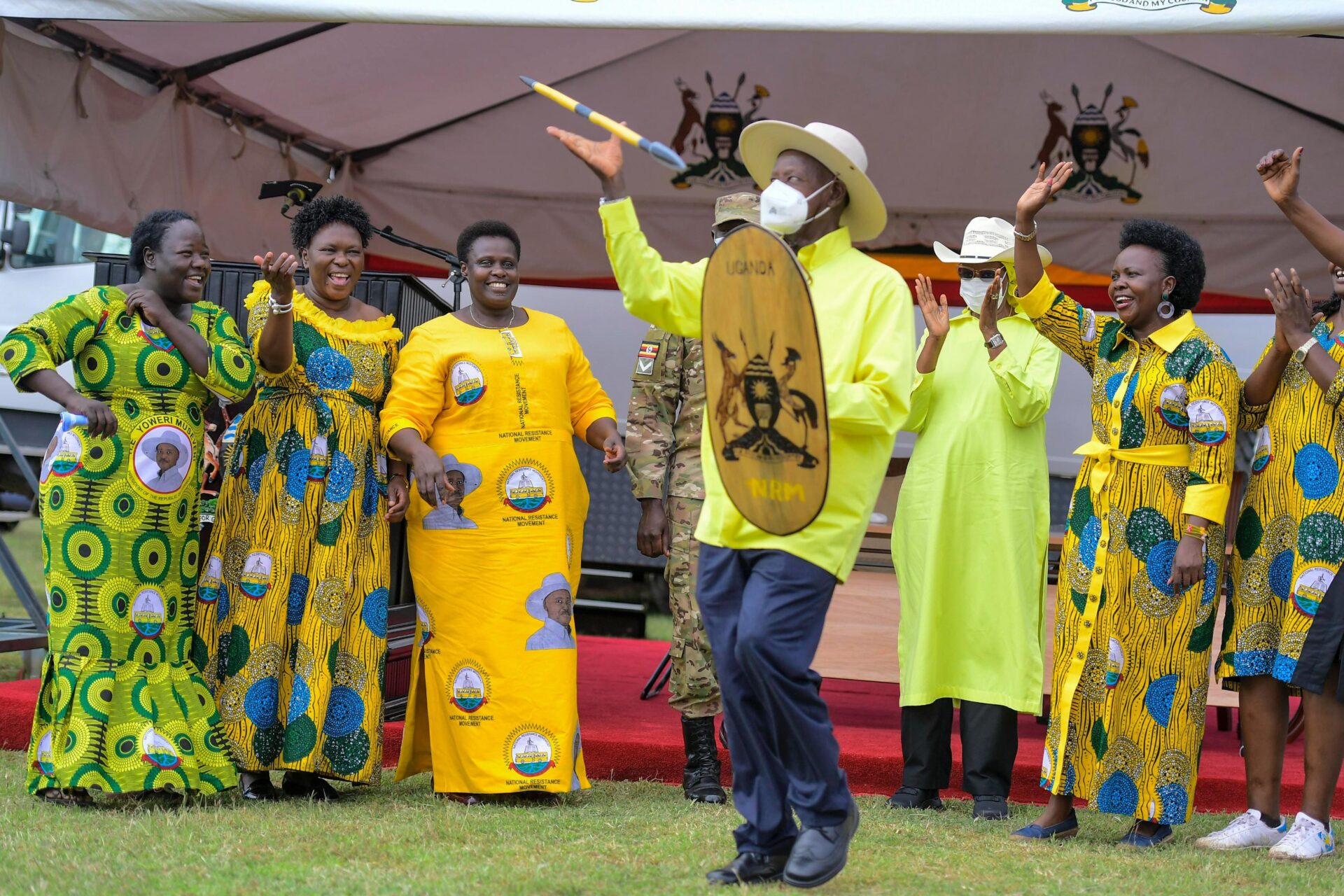 At the heart of this illusion lies a simple, yet devastatingly effective, principle: a spoonful of sugar helps the medicine go down. The “medicine” in this case is the bitter pill of entrenched autocracy, economic exclusion, and the systematic denial of genuine political power. The “spoonfuls of sugar” are the highly publicised, piecemeal projects and appointments meant to sweeten the national palate and distract from the underlying malaise.
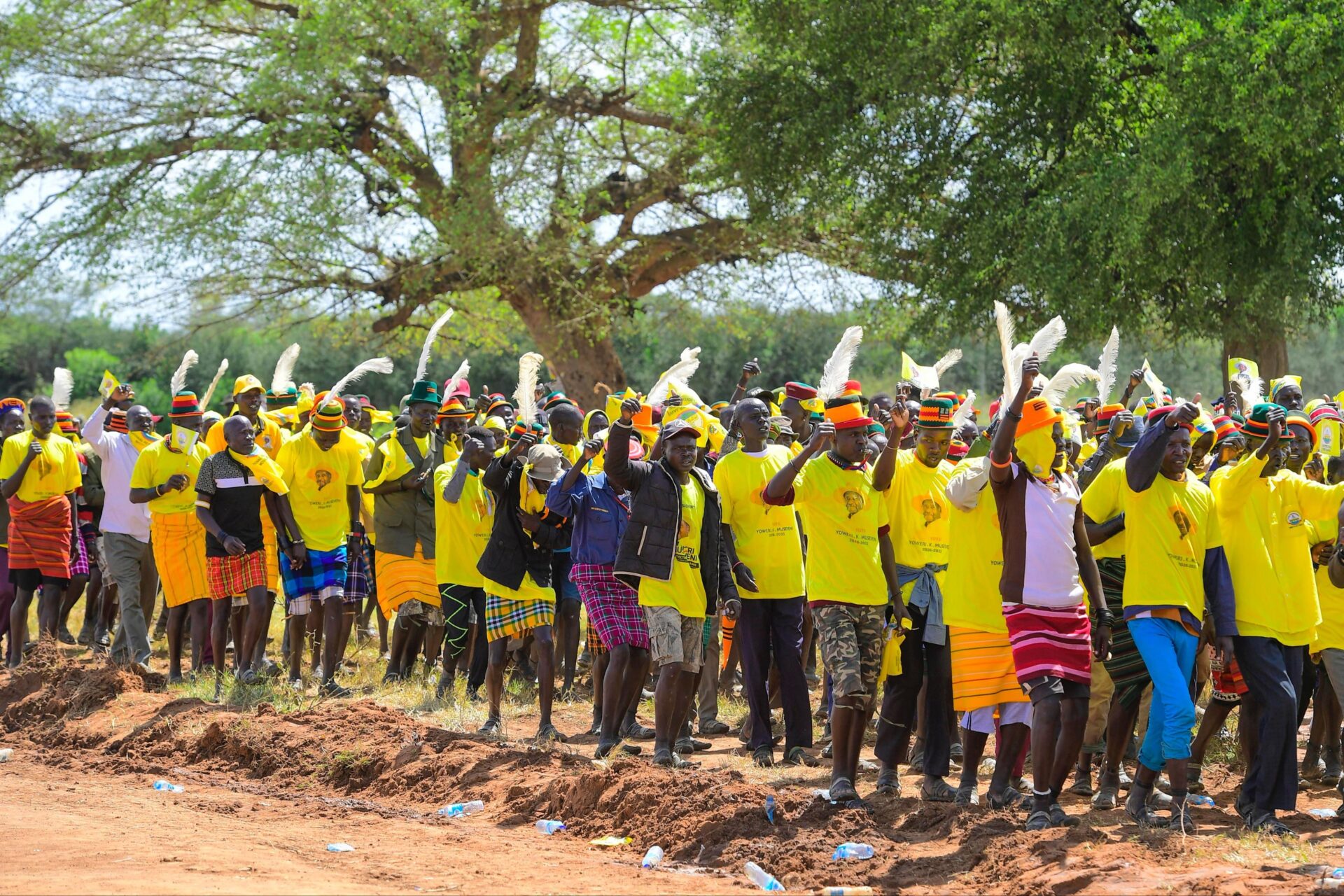 This strategy effectively prevents the coalescence of a unified, revolutionary front. When different regions or groups are pacified by their own specific, managed concessions—a road for one district, a ceremonial post for another—their grievances remain fragmented. They never reach the critical mass required to challenge the system itself. The struggle becomes about securing a larger crumb for one’s own group, rather than about demanding a fundamental restructuring of how the banquet is owned, managed, and shared.
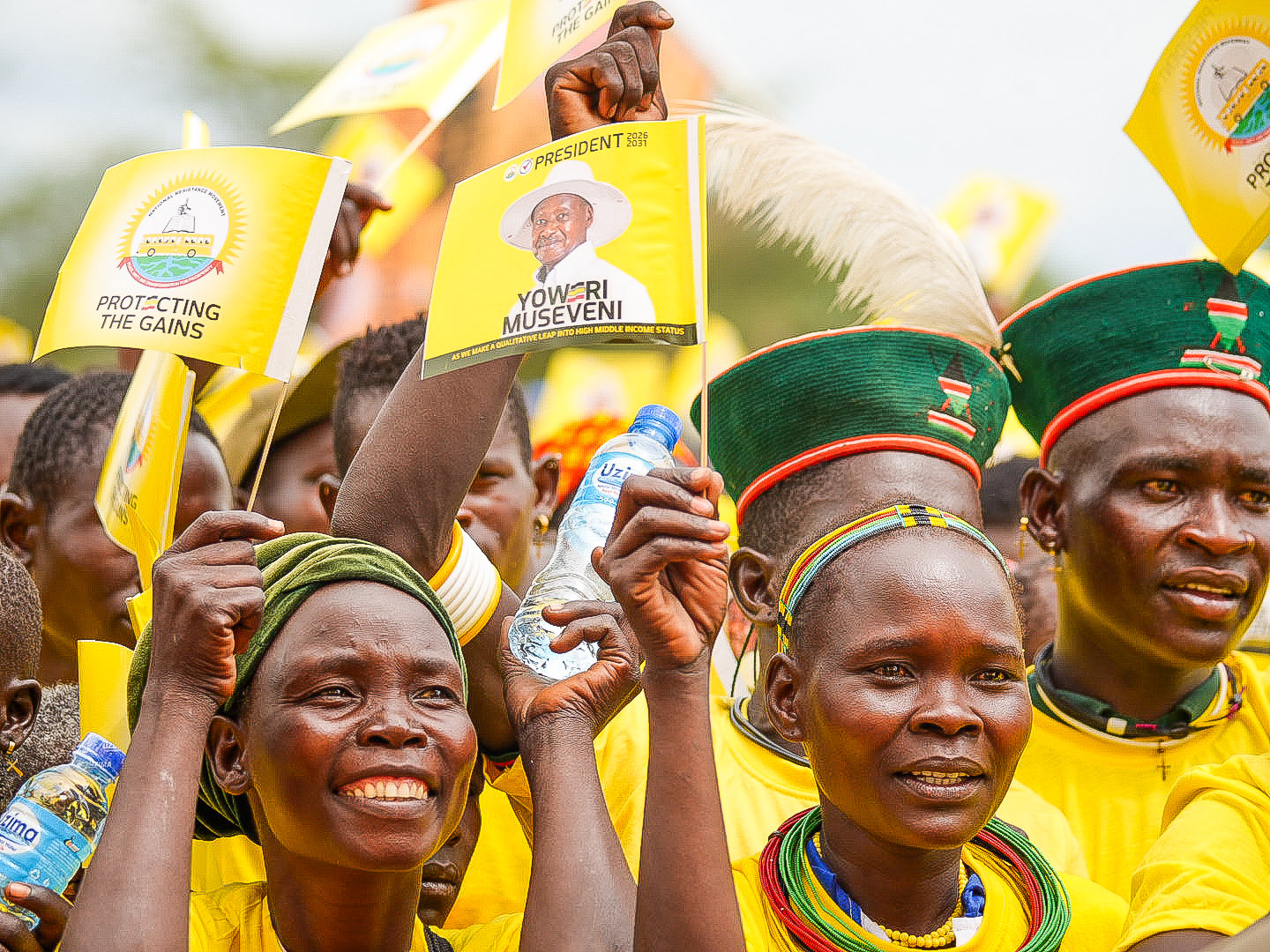 In conclusion, the “Illusion of Progress” is the dictator’s most sophisticated weapon. It is the political equivalent of painting over damp and crumbling walls instead of fixing the leaking roof. The fresh paint provides a temporary, pleasing appearance, but the structural decay continues unabated beneath the surface. Until the people of Uganda collectively see through this theatre and reject the symbolic crumbs in favour of demanding their rightful place at the table, the illusion will continue to masquerade as progress, perpetually deferring the true revolution that seeks not managed concessions, but fundamental and transformative change.
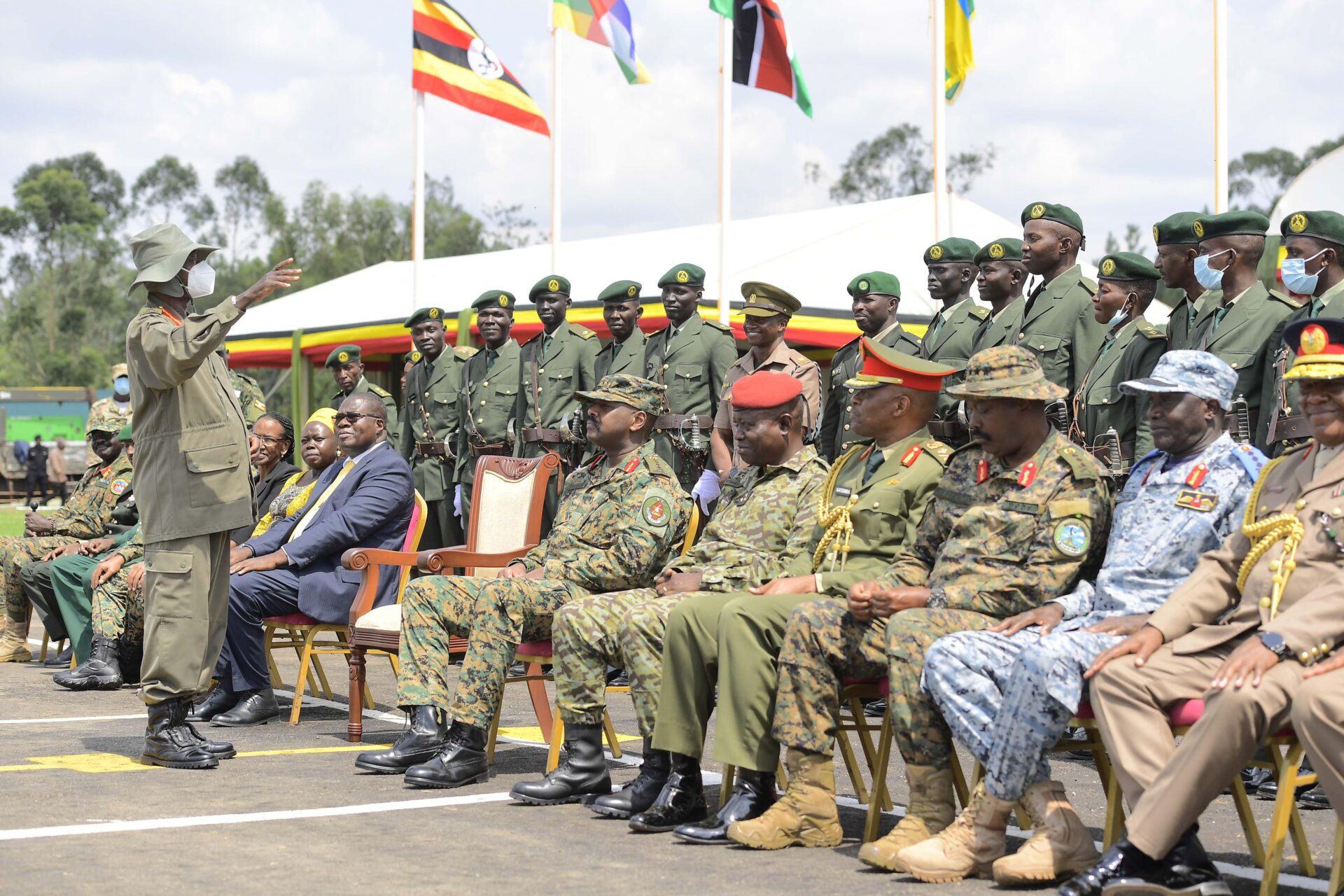 The old adage, “You cannot make an omelette without breaking eggs,” is a crude but perfect summation of revolutionary change. The “omelette” is the new society—a fundamentally reordered system based on new principles of justice, ownership, and power. The “broken eggs” are the inevitable collapse of the old guard, the dismantling of their institutions, and the turbulent, often bloody, process of transfer. This is the reality the regime desperately obscures.
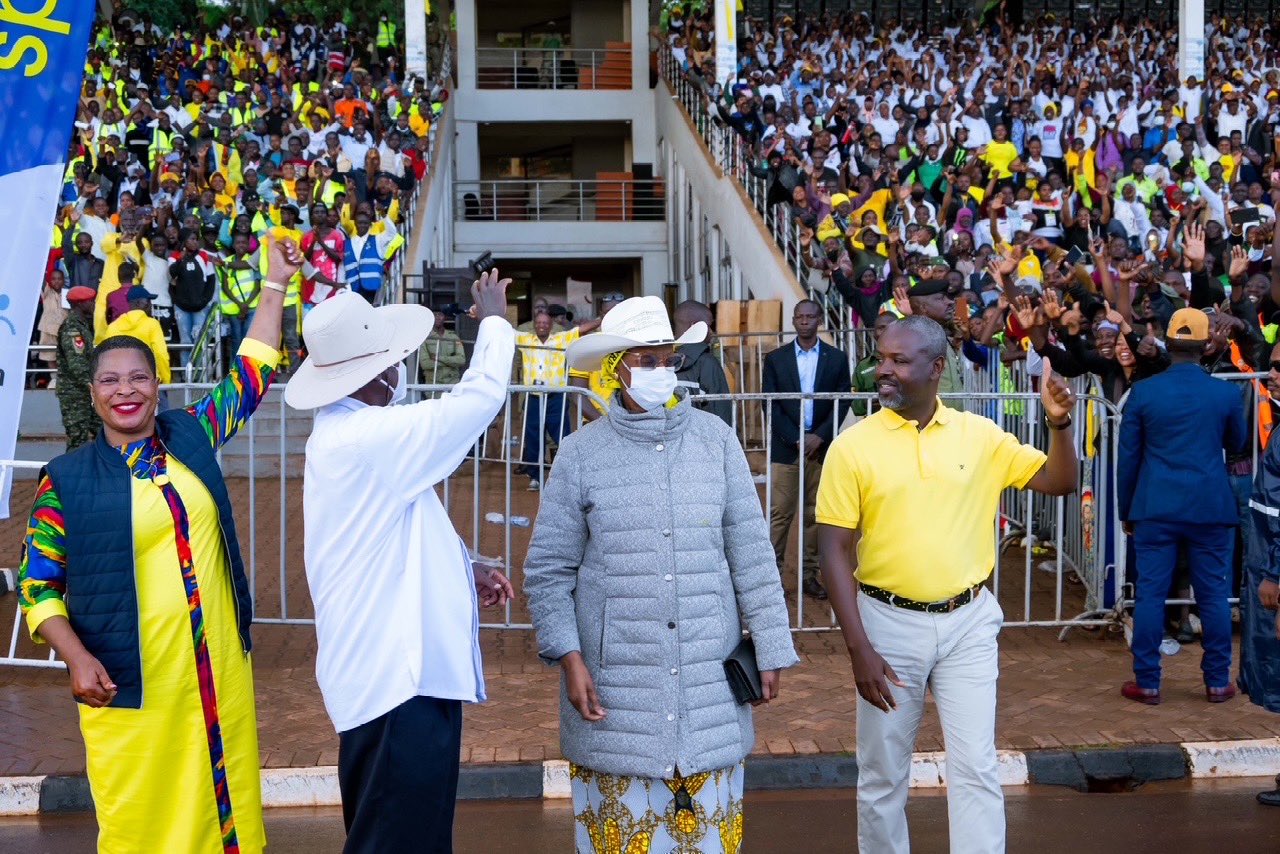 In conclusion, a real revolution is not a historical event to be remembered; it is a present and ongoing possibility that the powerful fear. It is not about singing the national anthem louder, but about questioning who truly owns the nation. It is not about seeking a position within the dictator’s government, but about building a new one. Until the struggle in Uganda moves beyond managed concessions and polite demands, and begins to target the fundamental pillars of power, land, and wealth with uncompromising resolve, it remains what Malcolm X would call a “negro revolution”—a plea for a better seat on the same plantation, rather than a determined fight to own the field itself. The dictator’s greatest fear is not an election, but the day the people truly understand what a revolution is.
 The old adage, “He who pays the piper calls the tune,” finds a brutal parallel in the Ugandan context: “He who controls the land, controls the destiny of the people.” The ‘tune’ called by the Museveni dictatorship—of managed democracy, economic growth statistics, and perpetual ‘development’—is only possible because the regime and its allies maintain a stranglehold on the nation’s most vital asset.
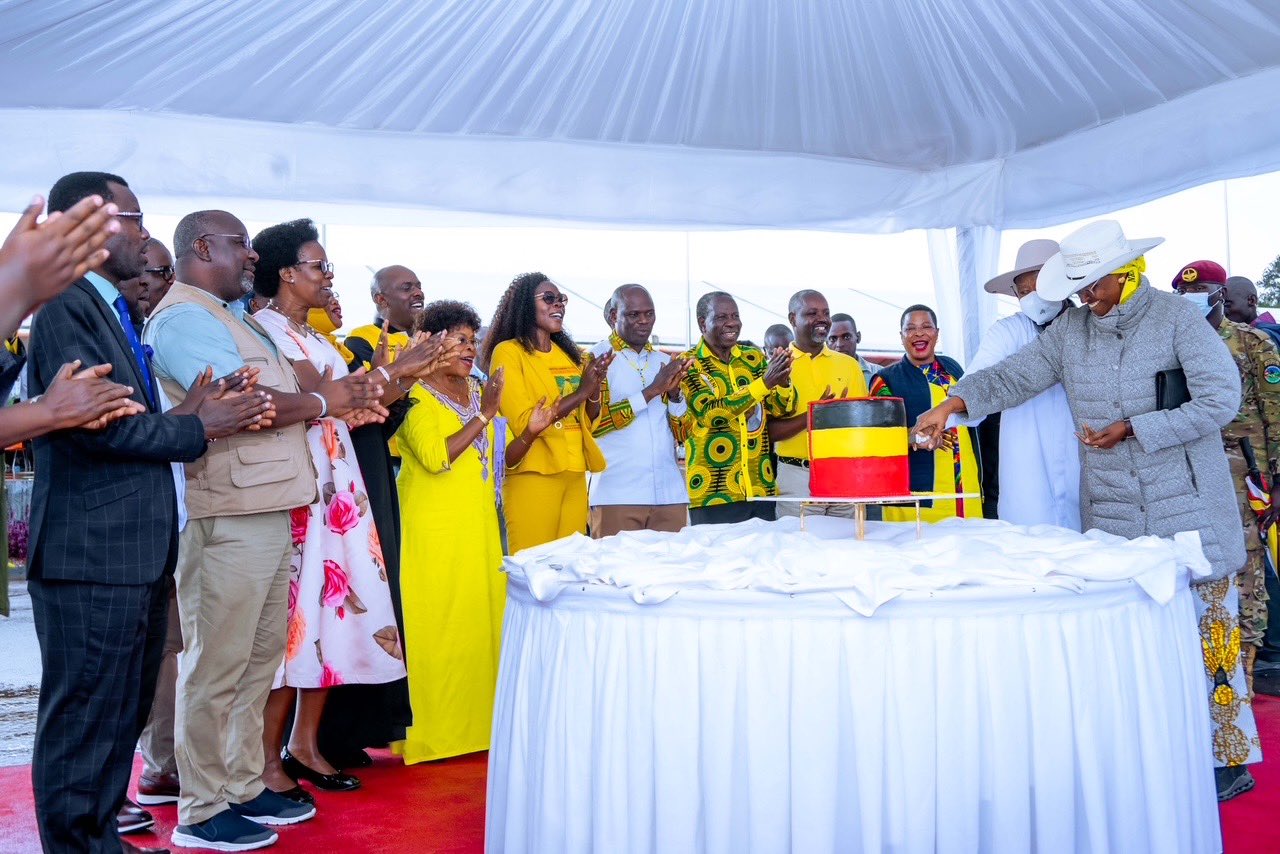 A real revolution in Uganda would, therefore, be unrecognisable from the state-sanctioned narrative. It would not be about which individual sits in the State House, but about who owns the soil upon which the State House is built. It would involve:
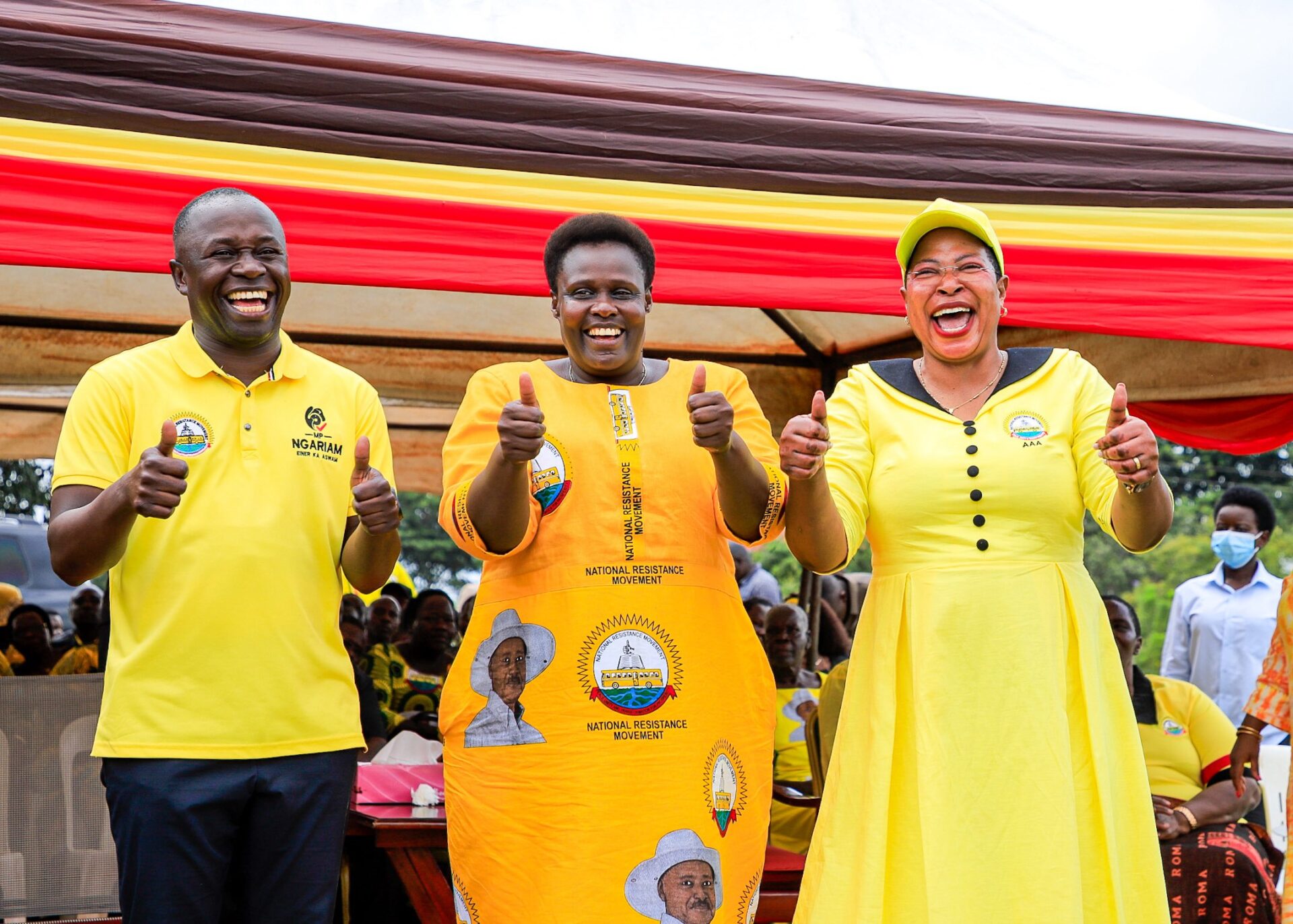 The adage that perfectly captures this dynamic is the warning against “a wolf in sheep’s clothing.” The sycophant dons the fleece of the populace, speaking of “our community’s needs” and “national development,” while their actions consistently serve the predatory interests of the dictatorship they enable. They are the domesticated wolves, whose loyalty is to the pack leader, not the flock they walk among.
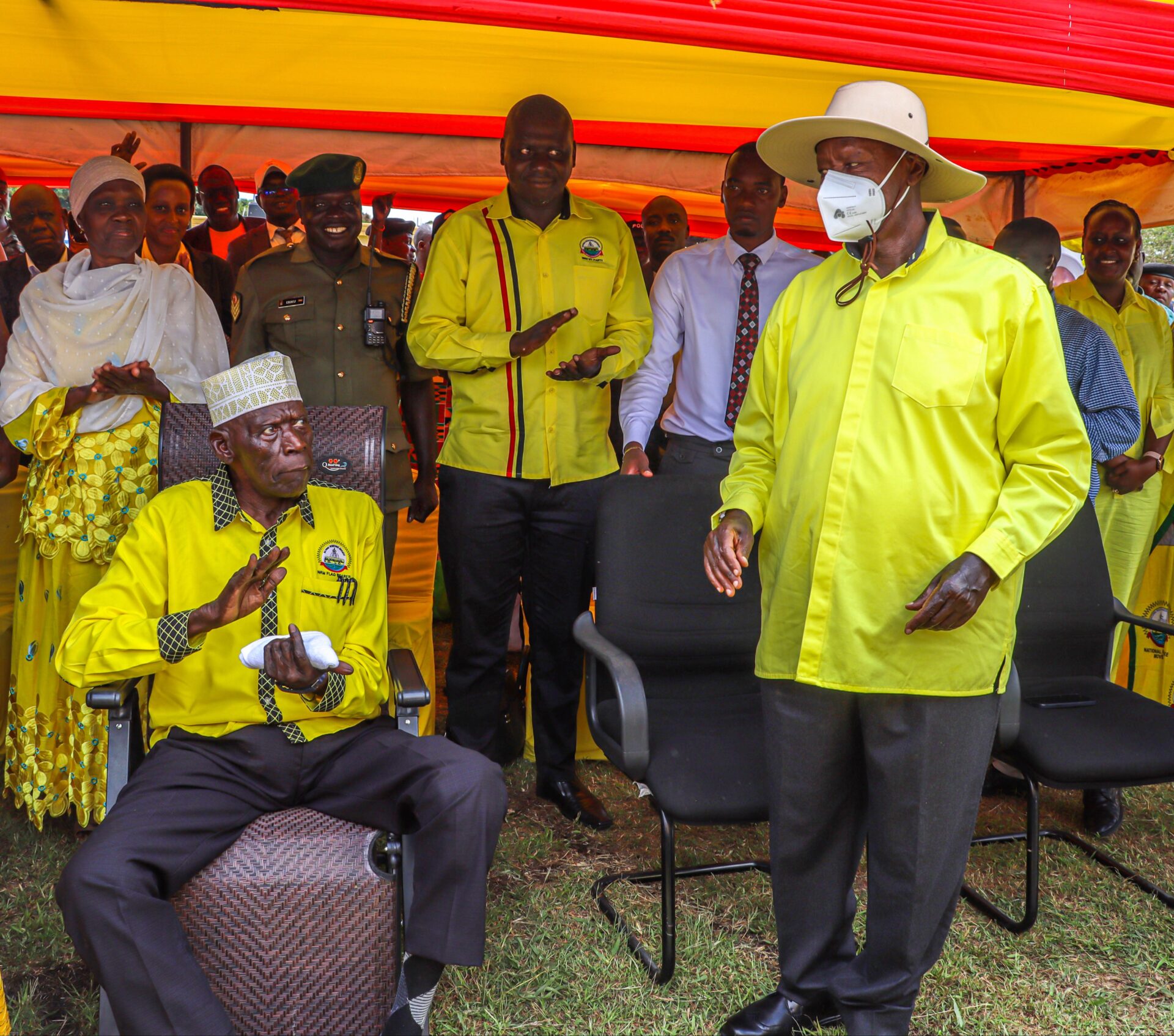 They are the living, breathing argument against the possibility of change from within a system designed to corrupt all who enter it. As long as this faux revolution continues to be a viable and rewarding career path for Uganda’s political class, the arduous, uncompromising work of building a truly free and just society will remain perpetually deferred.
 In conclusion, this double standard is not an oversight but a cornerstone of the dictatorship’s survival strategy. It seeks to create a nation of disciplined soldiers for its foreign campaigns and docile subjects for its domestic rule. By demanding that citizens channel all their capacity for sacrifice outward, it ensures that no defiant, inward-looking force of liberation can ever coalesce. The ultimate betrayal is thus not the act of defiance, but the system that commands you to bleed for a flag abroad, while forbidding you to stand for your rights at home.
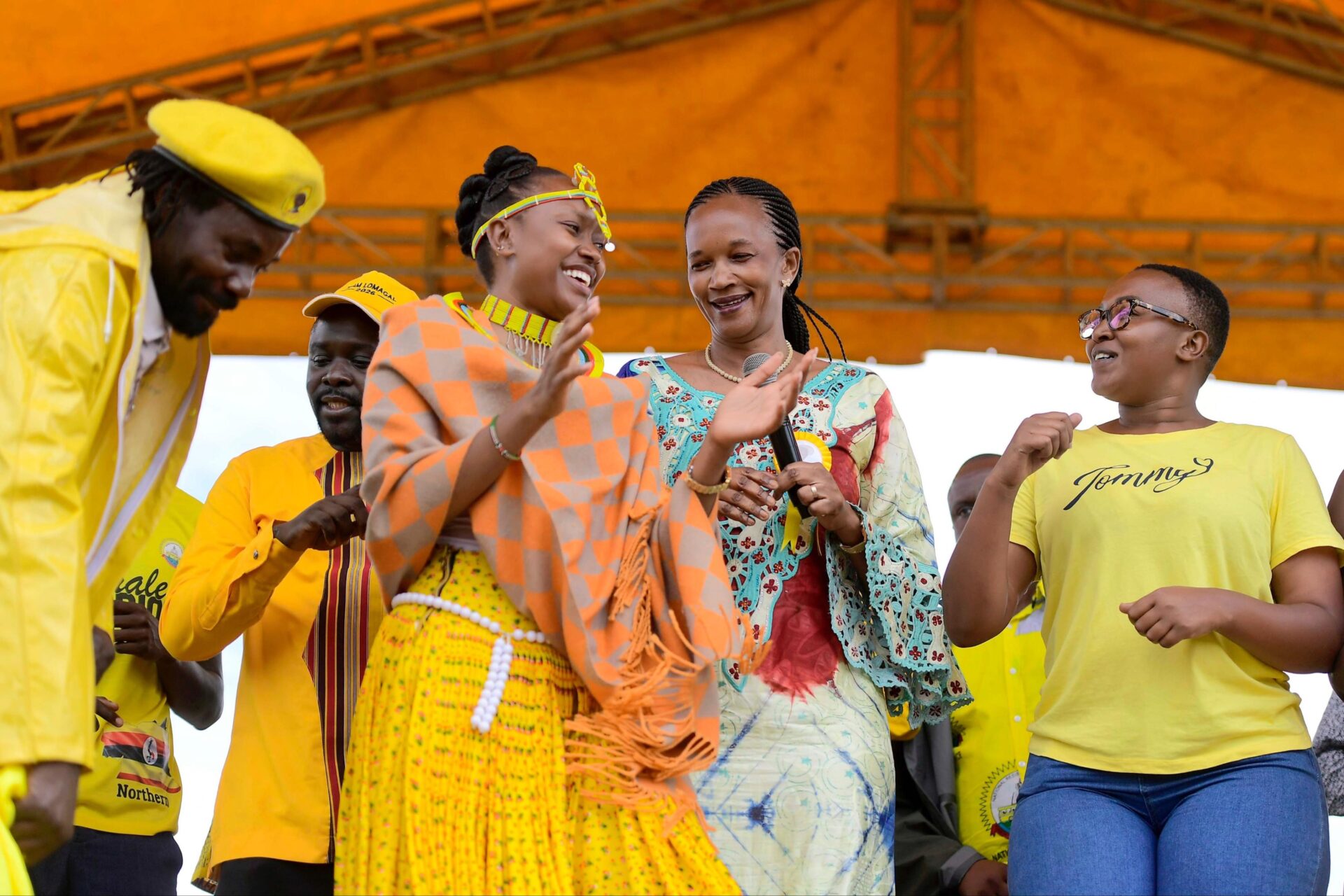 The adage that perfectly encapsulates this dynamic is that “a gilded cage is still a cage.” The modern sycophant, adorned with the titles, contracts, and access granted by the Museveni dictatorship, is in a state of deluded luxury. They mistake the comfort of their confinement for genuine freedom, and in doing so, they become the most effective argument against their own liberation.
 Understanding this analogy is crucial, for it reveals that the most formidable obstacle to change in Uganda is not always the brute at the gate, but the smiling, well-dressed courtier within the palace walls, who has convinced himself that his chains are made of gold and that the cries of those outside are merely the complaints of the unworthy.
 The most telling sign of a sycophant is a profound psychological transference: they identify with the powerful more than the powerful identify with themselves. This manifests most clearly in their habitual use of the royal “we” when describing the actions and interests of the state, seamlessly merging their identity with the regime’s machinery.
 The adage that perfectly captures this behaviour is the notion of “When in Rome, do as the Romans do.” However, the sycophant takes this to a pathological extreme.
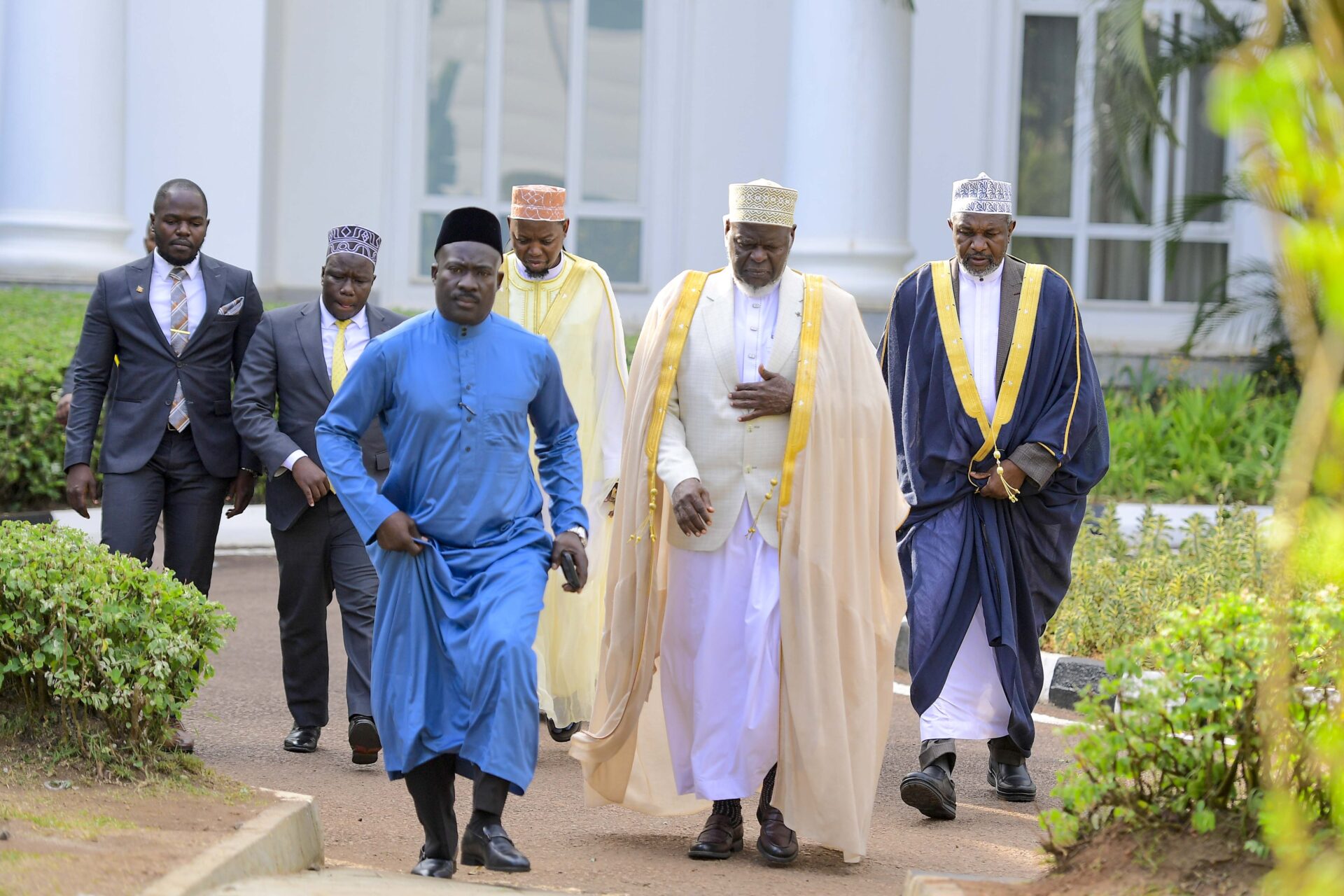
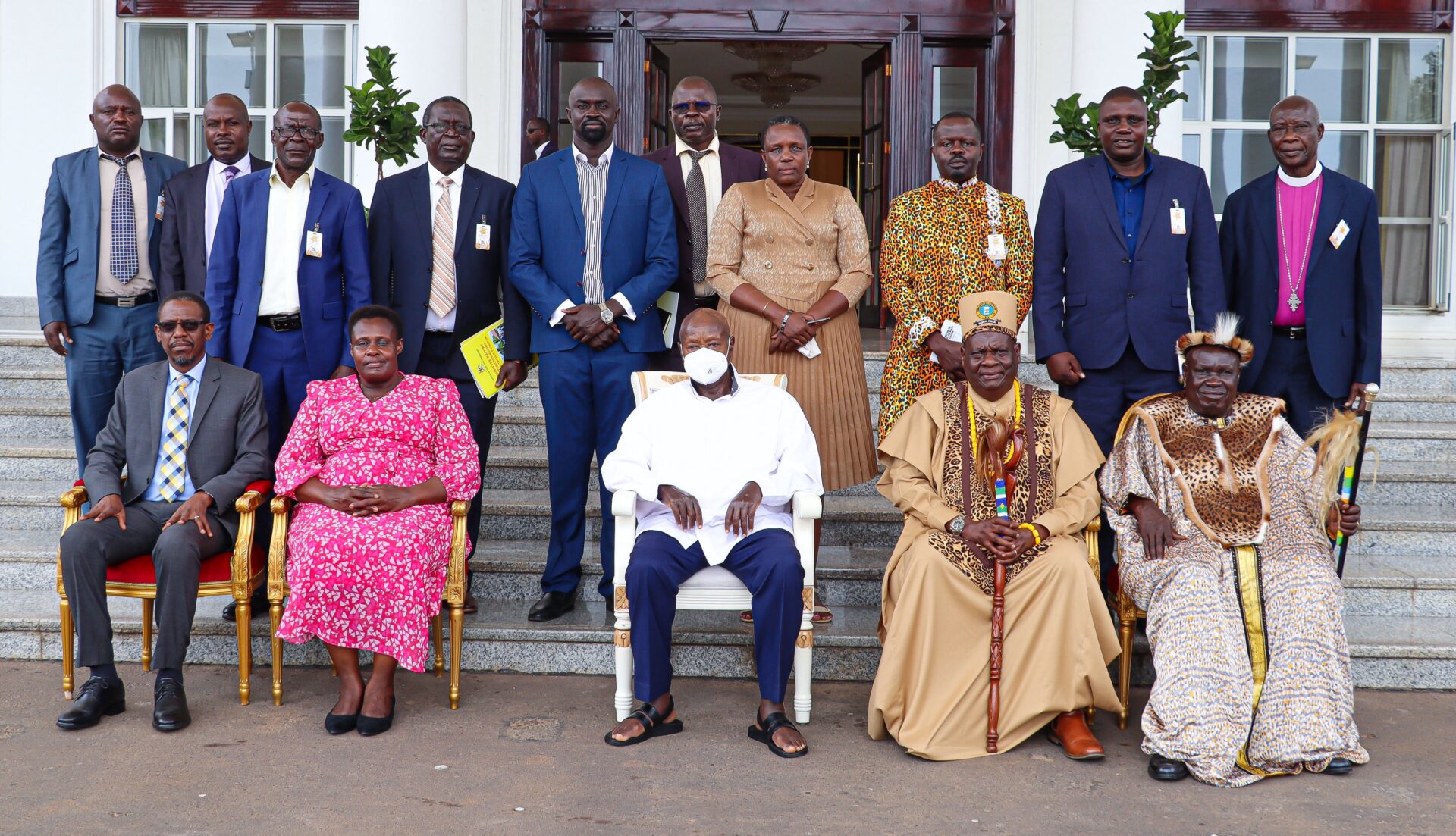 These individuals are the human infrastructure of the dictatorship, the living, breathing proof that the most effective chains are not those that bind the hands, but those that captivate the mind. They are the chorus in the dictator’s play, mistaking their echoed lines for authentic speech, and their privileged seat in the audience for a role on the stage.
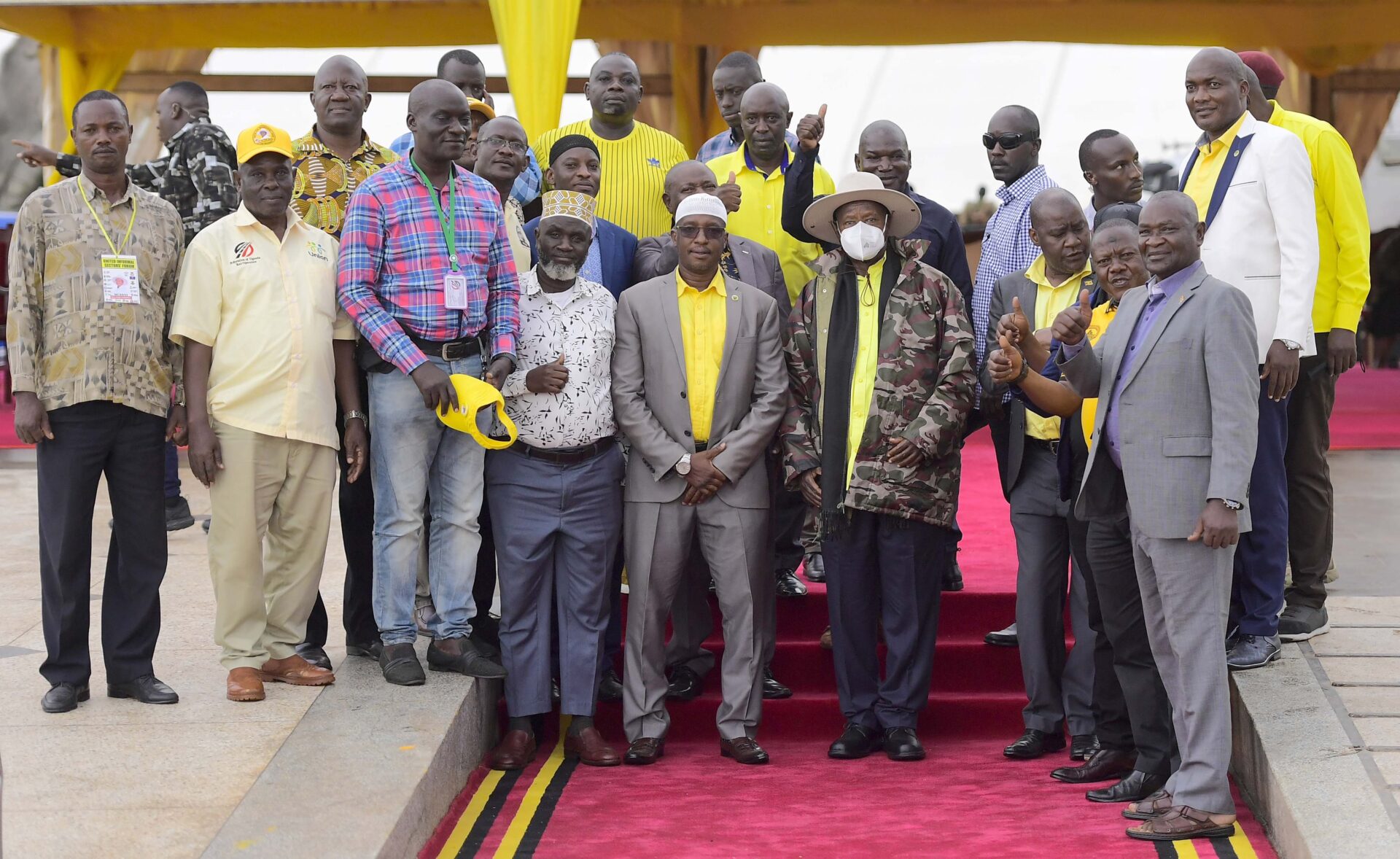 The adage that perfectly encapsulates this mindset is “Better the devil you know than the devil you don’t.” For the sycophant, the existing dictatorship, with all its flaws, represents a known quantity—a predictable ecosystem where the rules of survival and advancement are clearly, if unjustly, defined. The alternative—a free, democratic, and uncertain future—is a terrifying leap into the unknown, a “devil” they have been conditioned to fear more than the familiar one they serve.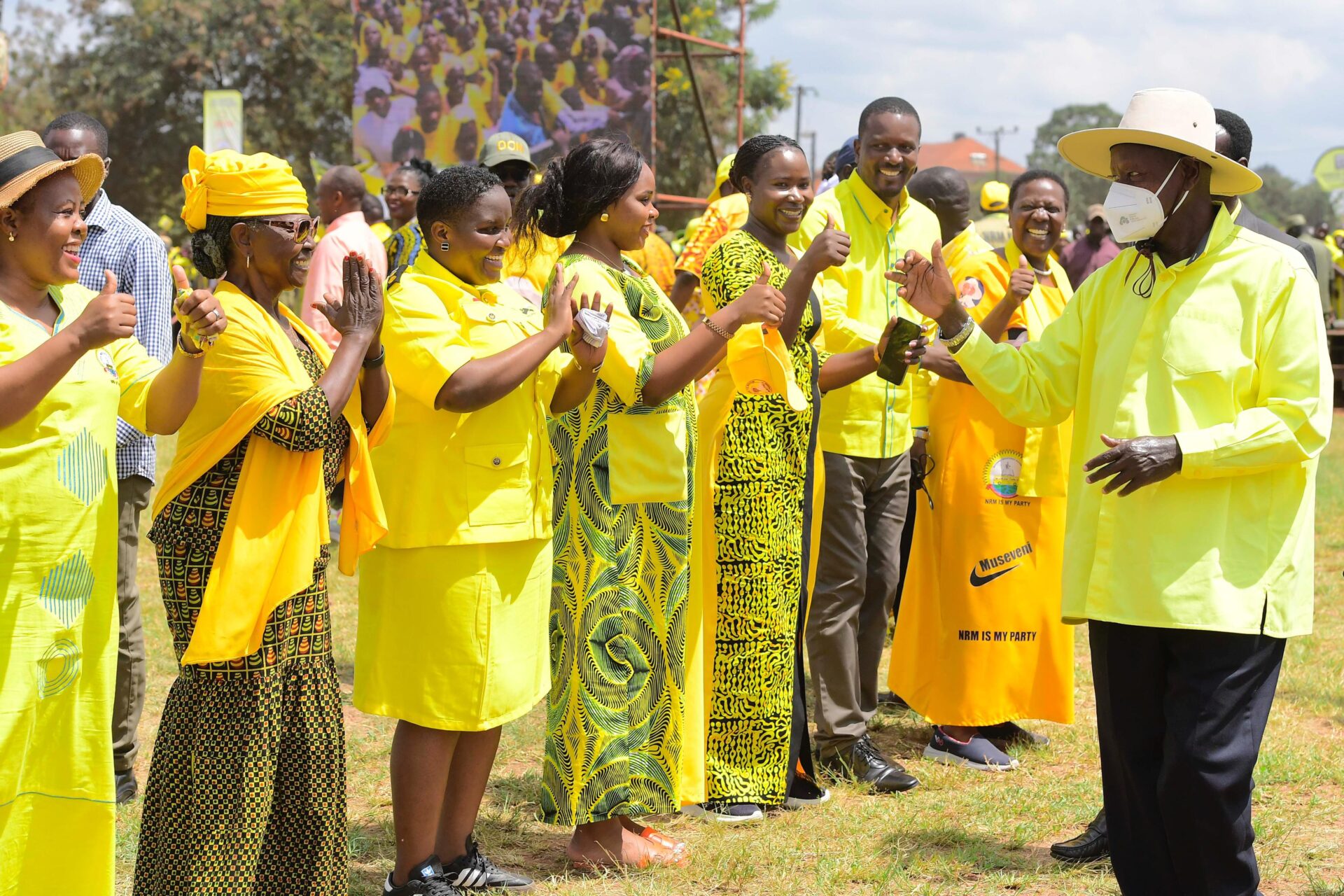
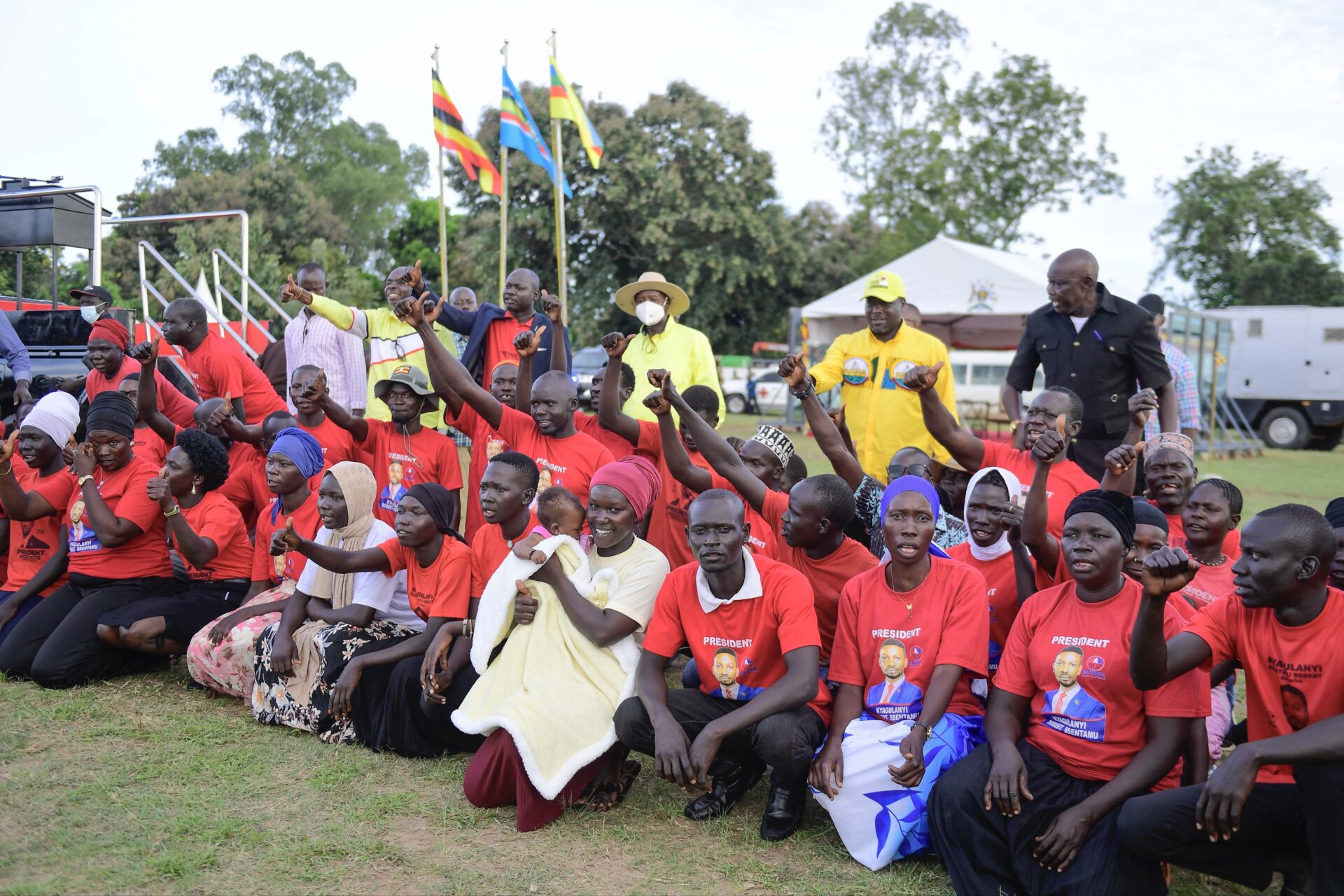 The adage that captures their precarious existence is the warning that “the straw that breaks the camel’s back” is often a single, seemingly small injustice added to an unbearable load. The Ugandan “field” is littered with such straws: a hospital without medicine, a school without teachers, a court without justice, an ancestral land seized for a crony’s plantation. The masses carry this burden daily, and their quiet endurance should not be mistaken for contentment.
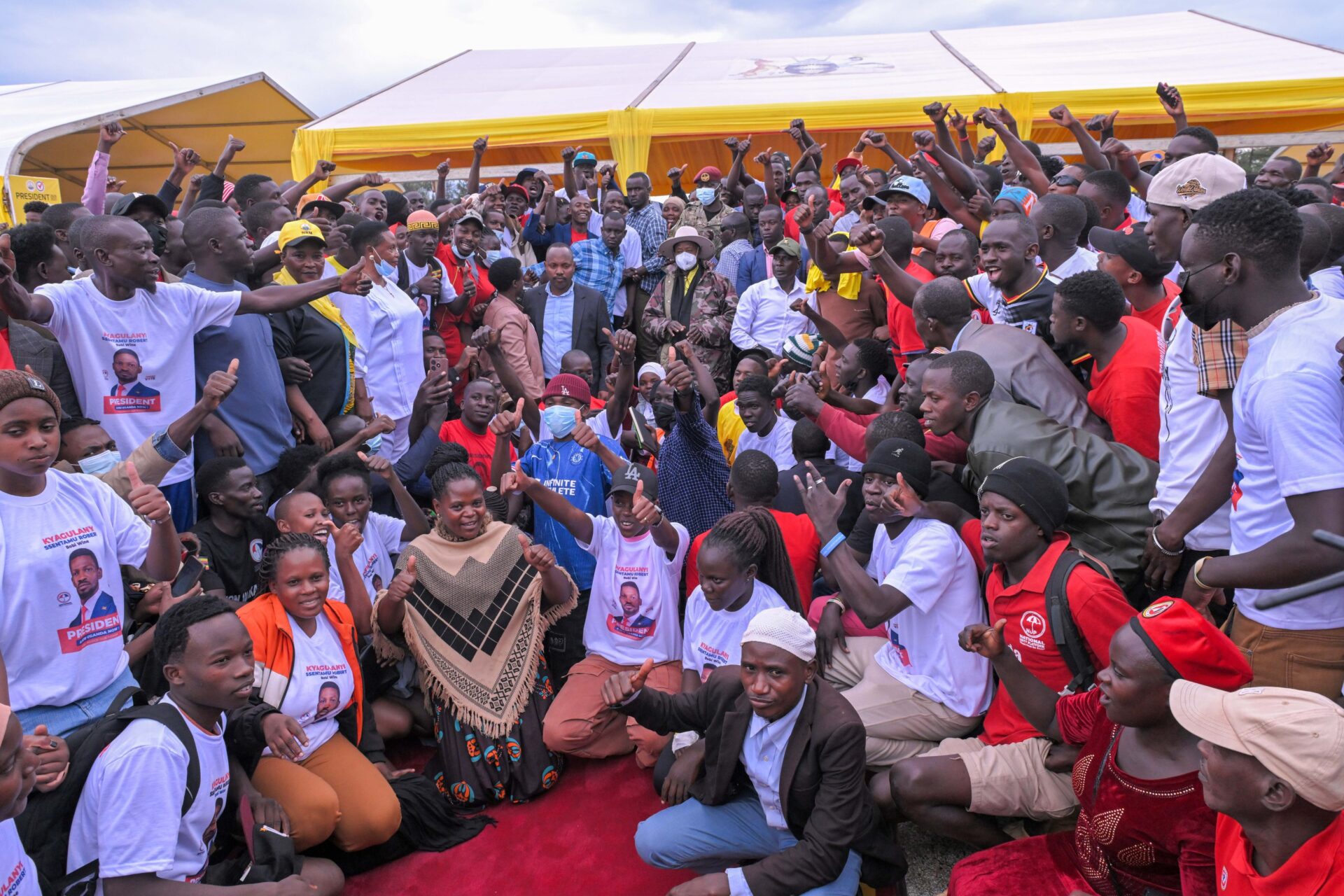 In conclusion, the “Field Negro” mentality is the unquiet conscience of Uganda. It is the collective experience of the millions for whom the dictator’s “peace” and “stability” are merely synonyms for a slow-burning crisis. They are not yet the revolution, but they are its necessary precondition. They are the dry tinder across the Ugandan political landscape.
 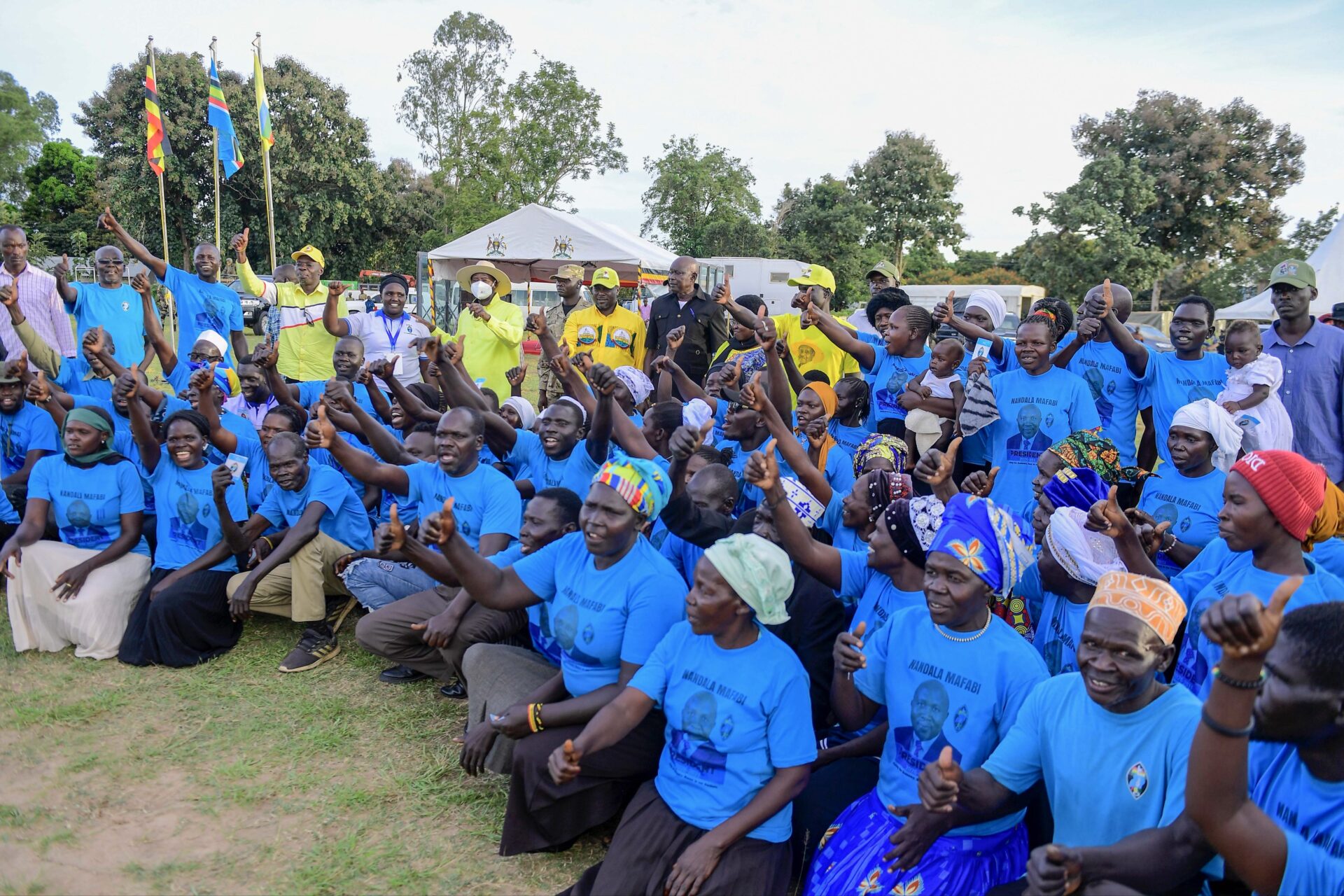 While they may currently only pray for rain, the history of revolutions teaches us that it only takes a single, decisive spark to ignite a blaze that can consume an entire political order. Their patience, though worn thin, is not a sign of weakness, but a testament to a profound strength that the regime, for all its tanks and sycophants, rightly fears.
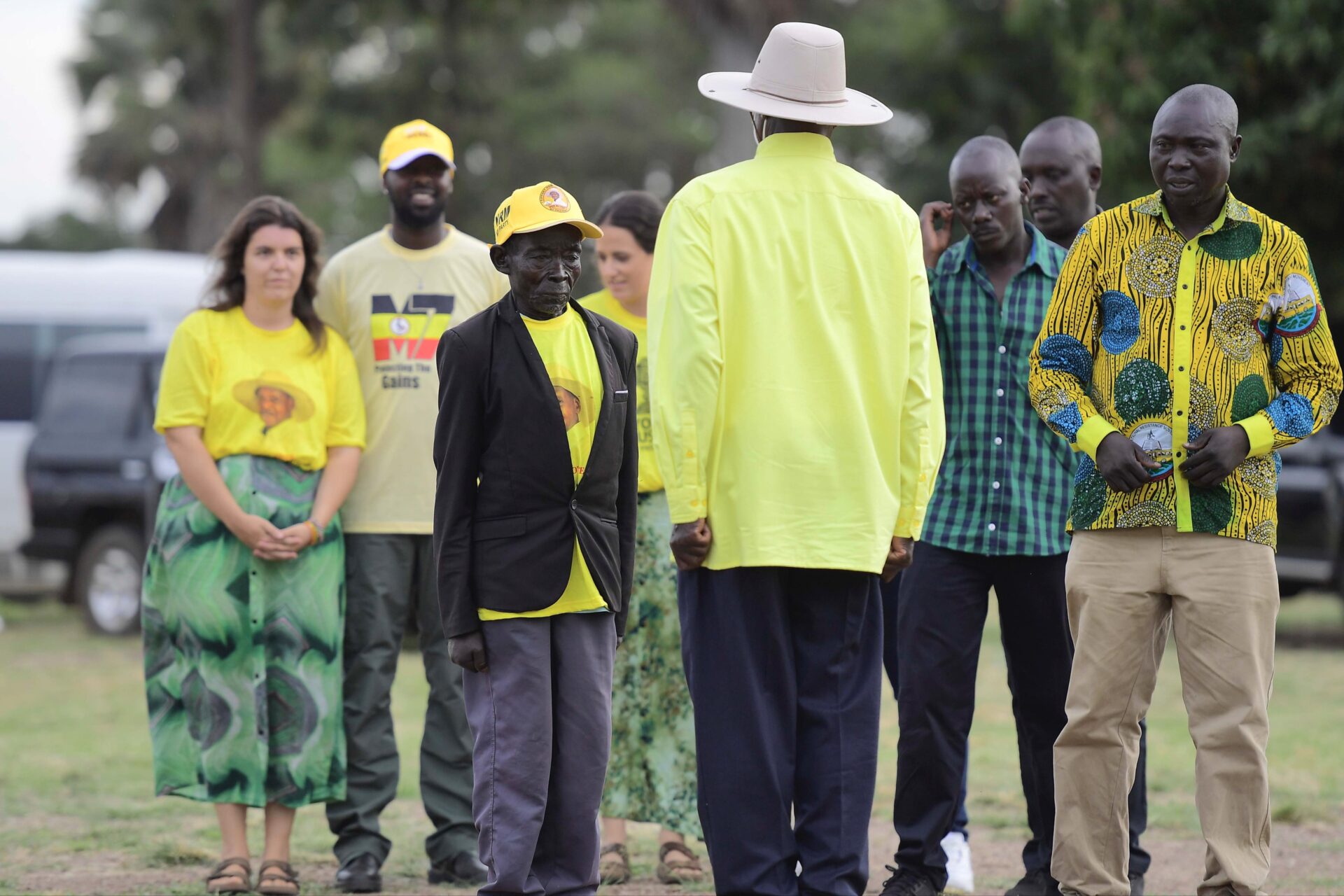 The adage that perfectly captures this dynamic is that “a hungry man is an angry man.” But this hunger is not merely for food; it is for dignity, for justice, and for a future that is not predetermined by their postcode or patrimonial connections. The regime understands that a comfortable populace, or has a stake in the status quo, can be managed. A populace with its back against the wall cannot.
 However, this is a fragile strategy. As the old saying goes, “you can fool all the people some of the time, and some of the people all the time, but you cannot fool all the people all the time.” The grassroots are the first to see through the illusion because they live in its shadow. Their struggle is not for a position at the table, but for the power to determine the menu. They are the tinder of the nation, and while they may smoulder for years, the history of all revolutions teaches us that it only takes a single, unforeseen spark to ignite a fire that no amount of state machinery can extinguish. Their patience is the regime’s most valuable asset, and their awakening is its ultimate nightmare.
 For the regime, every co-opted critic is not just a victory; it is a public service announcement demonstrating the futility of defiance and the ultimate triumph of the system. It is the process of ensuring that the only revolutions that occur are those that can be safely contained within the four walls of a government office.
 The adage that perfectly captures this strategy is the idea of “killing two birds with one stone.” With a single, well-aimed appointment, the regime simultaneously decapitates a potential opposition movement and acquires a powerful propaganda asset. It eliminates a critic and gains a defender, all for the price of a salaried position and the keys to a double-cabin pickup.
 By turning the most potent potential threats into its most effective defenders, the Museveni dictatorship ensures that the landscape of dissent is perpetually managed, and that the only “leaders” who gain a national platform are those who have already agreed, implicitly or explicitly, to never challenge the fundamental architecture of power. It is the ultimate proof that in today’s Uganda, the greatest ambition of the system is not to answer the people’s call for change, but to appoint a more convincing spokesperson to tell them why it cannot be done.
 The adage that perfectly describes this manoeuvre is the strategy of “poaching the gamekeepers.” The regime, recognising it cannot defeat a popular movement head-on, chooses instead to infiltrate and assume its leadership. It takes the people’s cause and appoints itself as its custodian, thereby ensuring it is never truly challenged.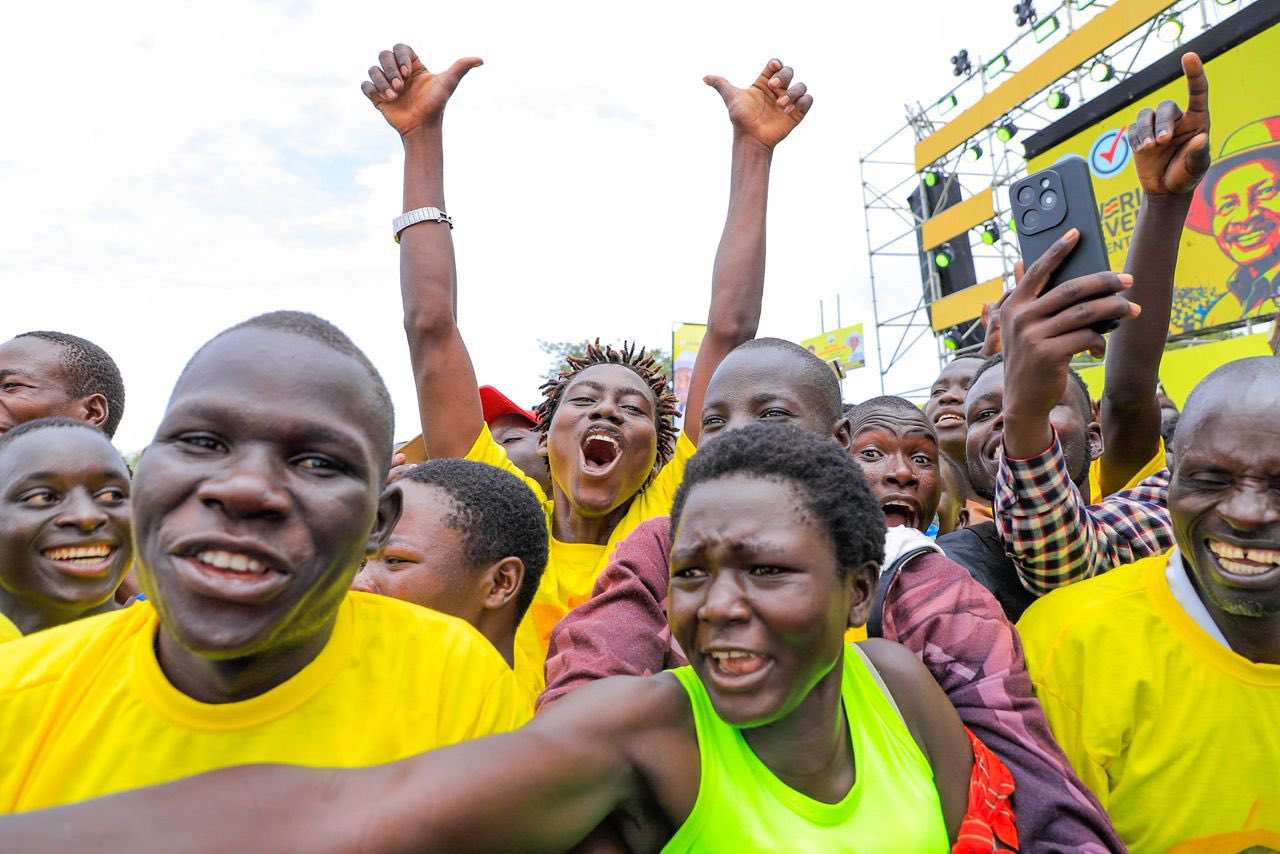
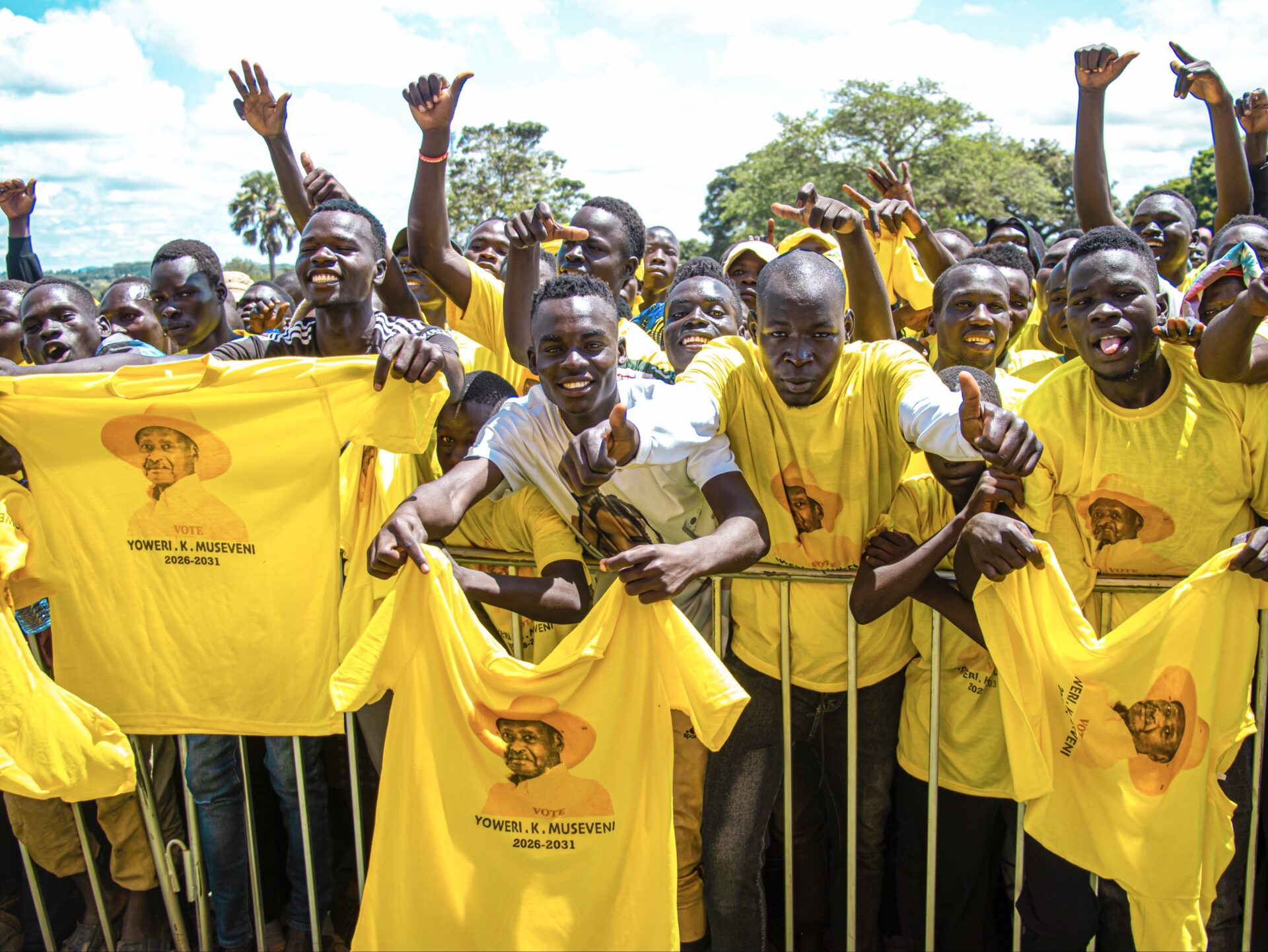
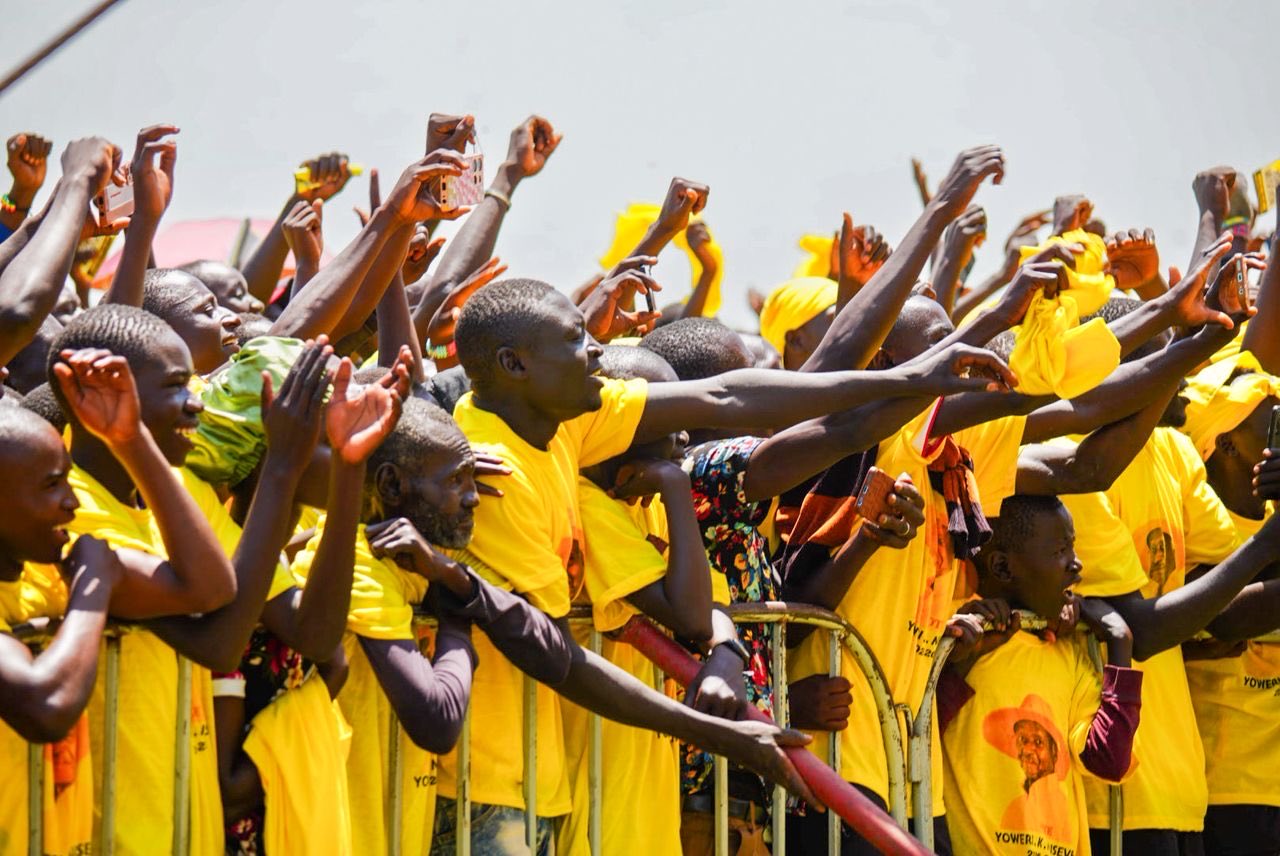
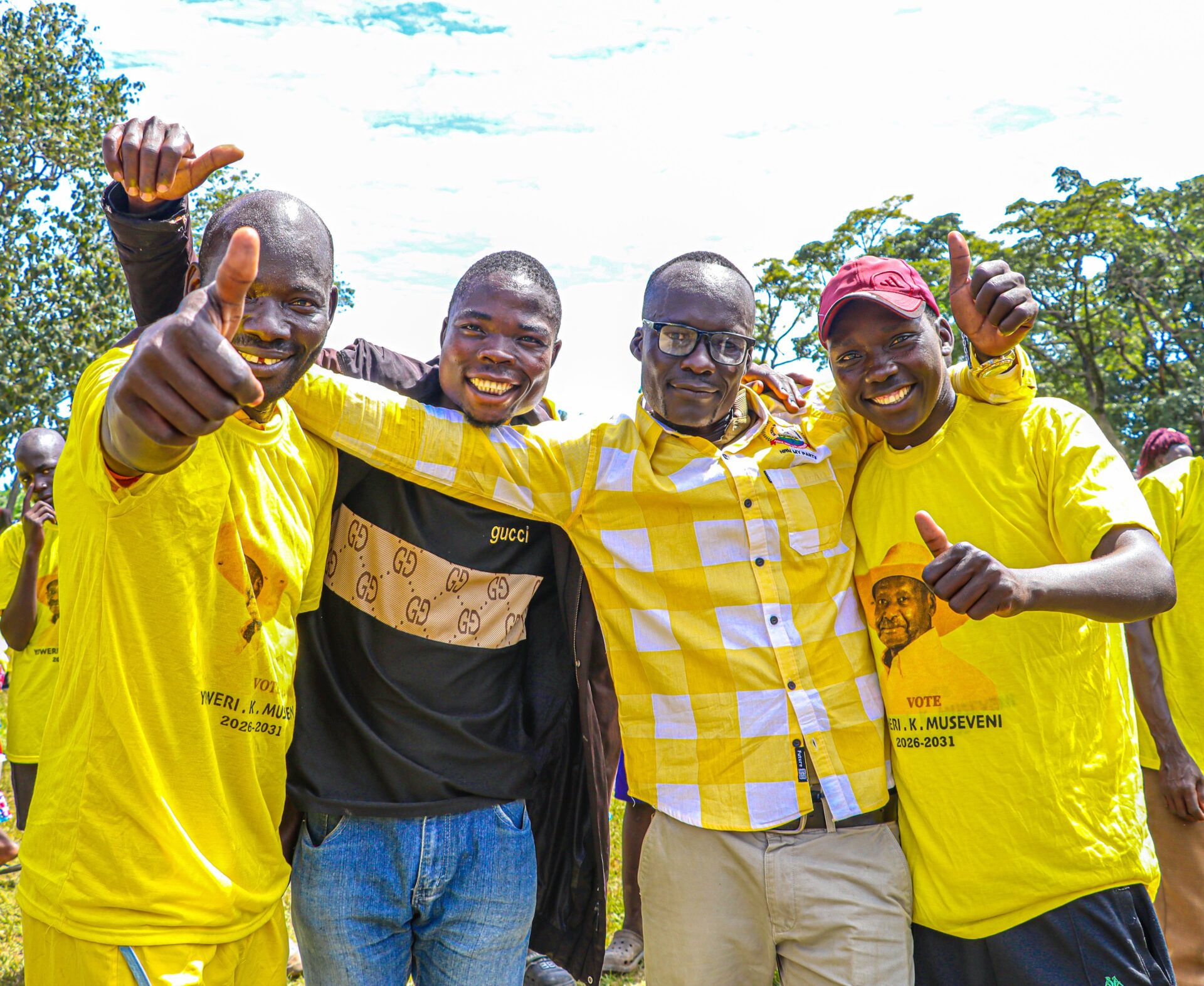
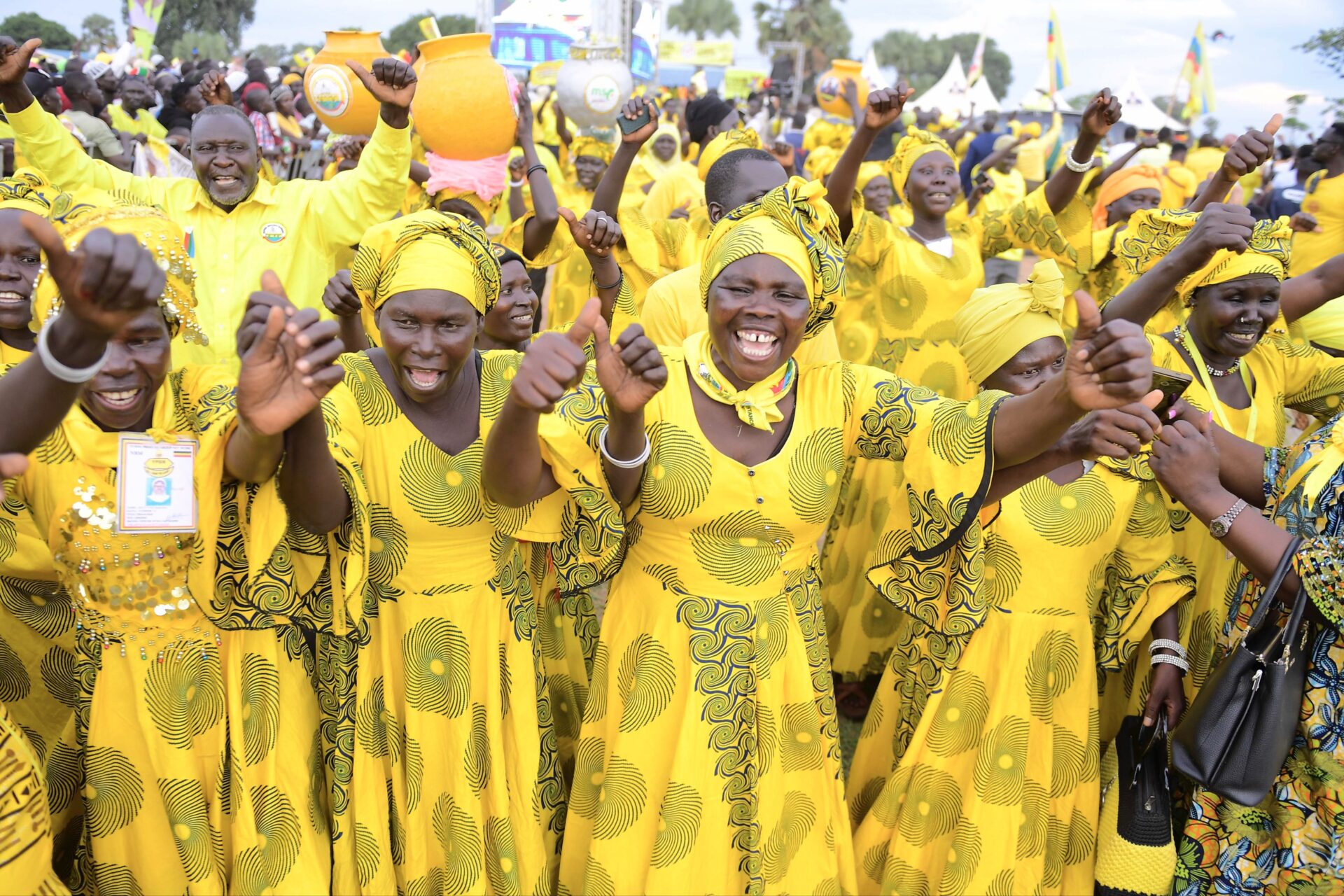
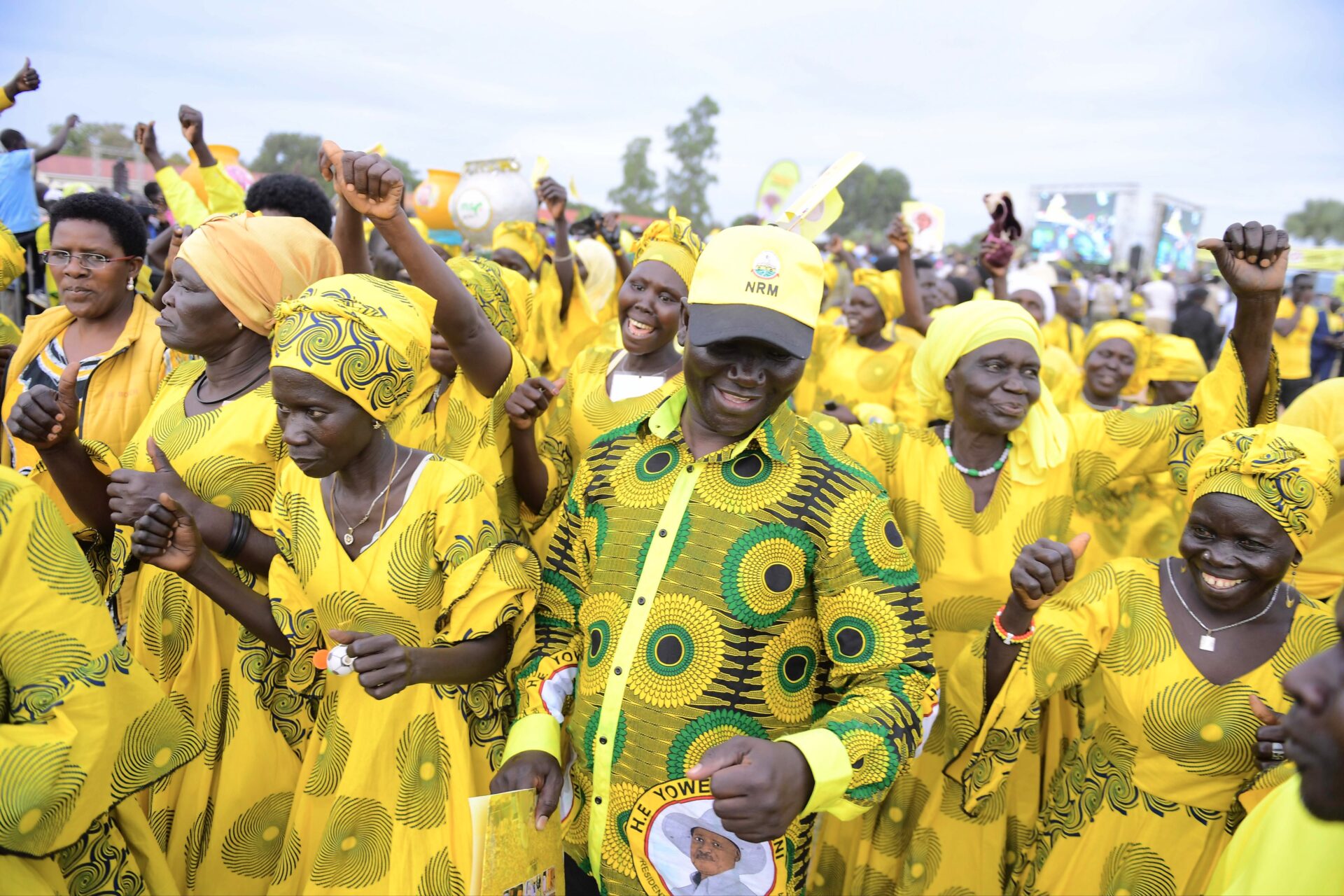
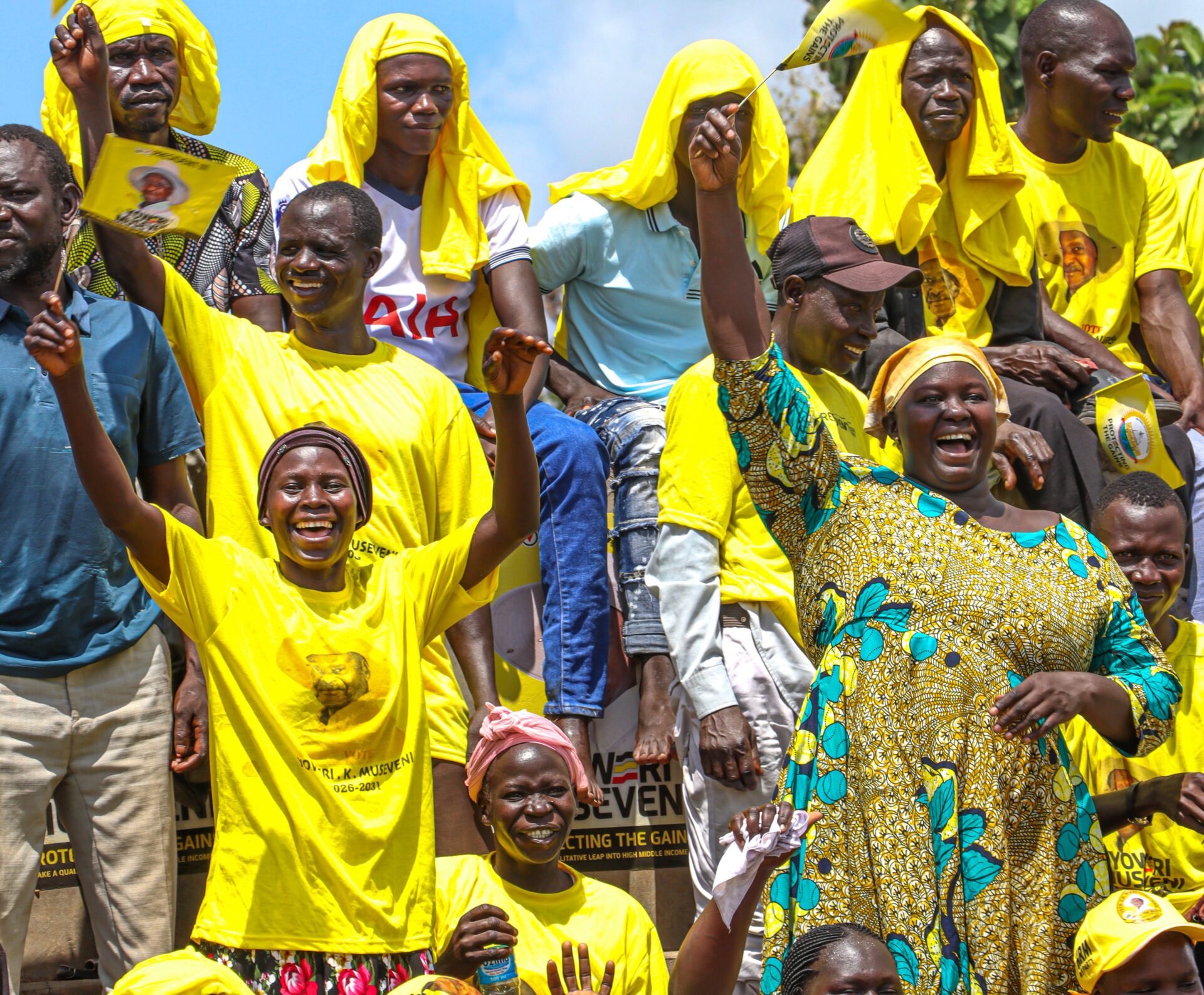
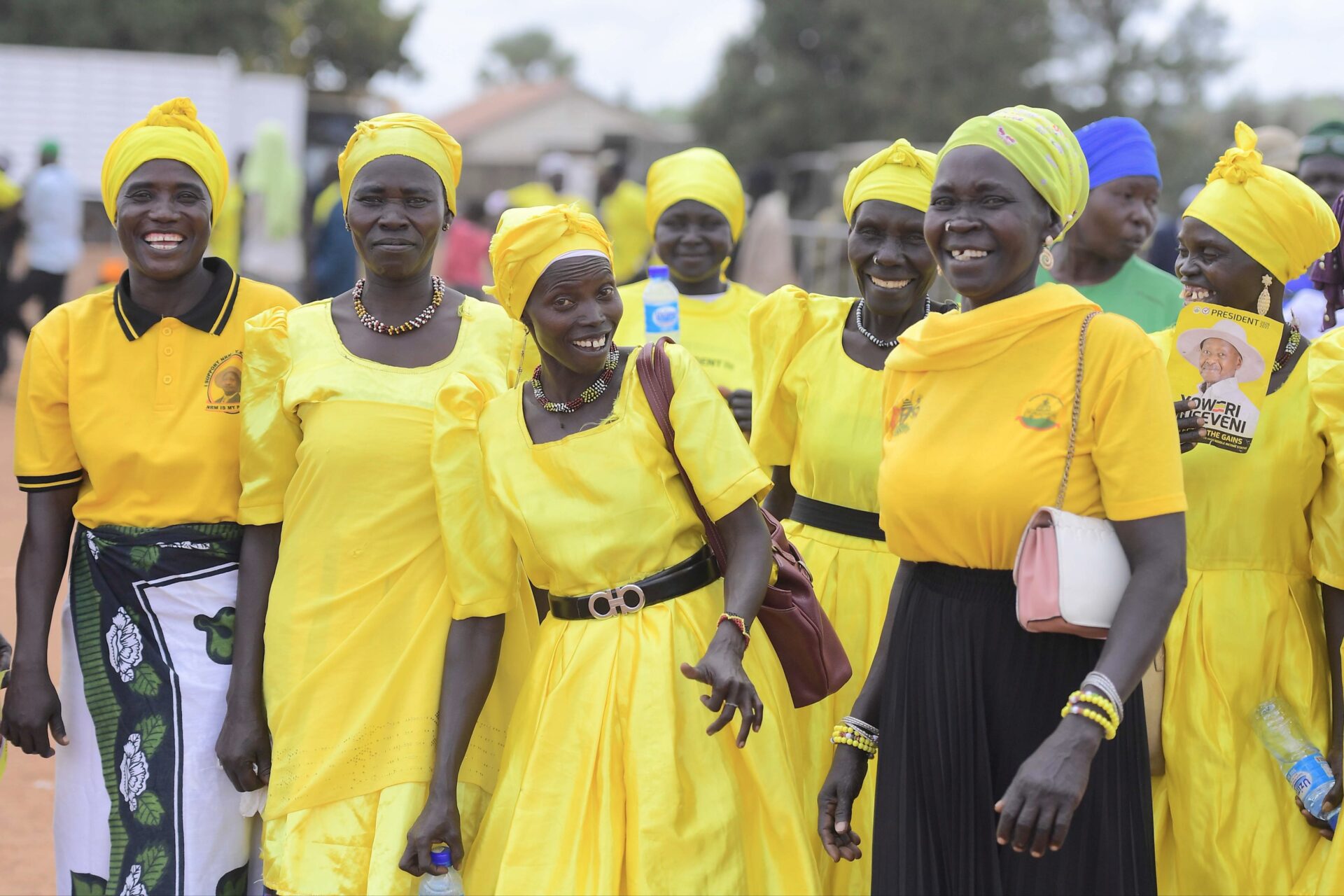
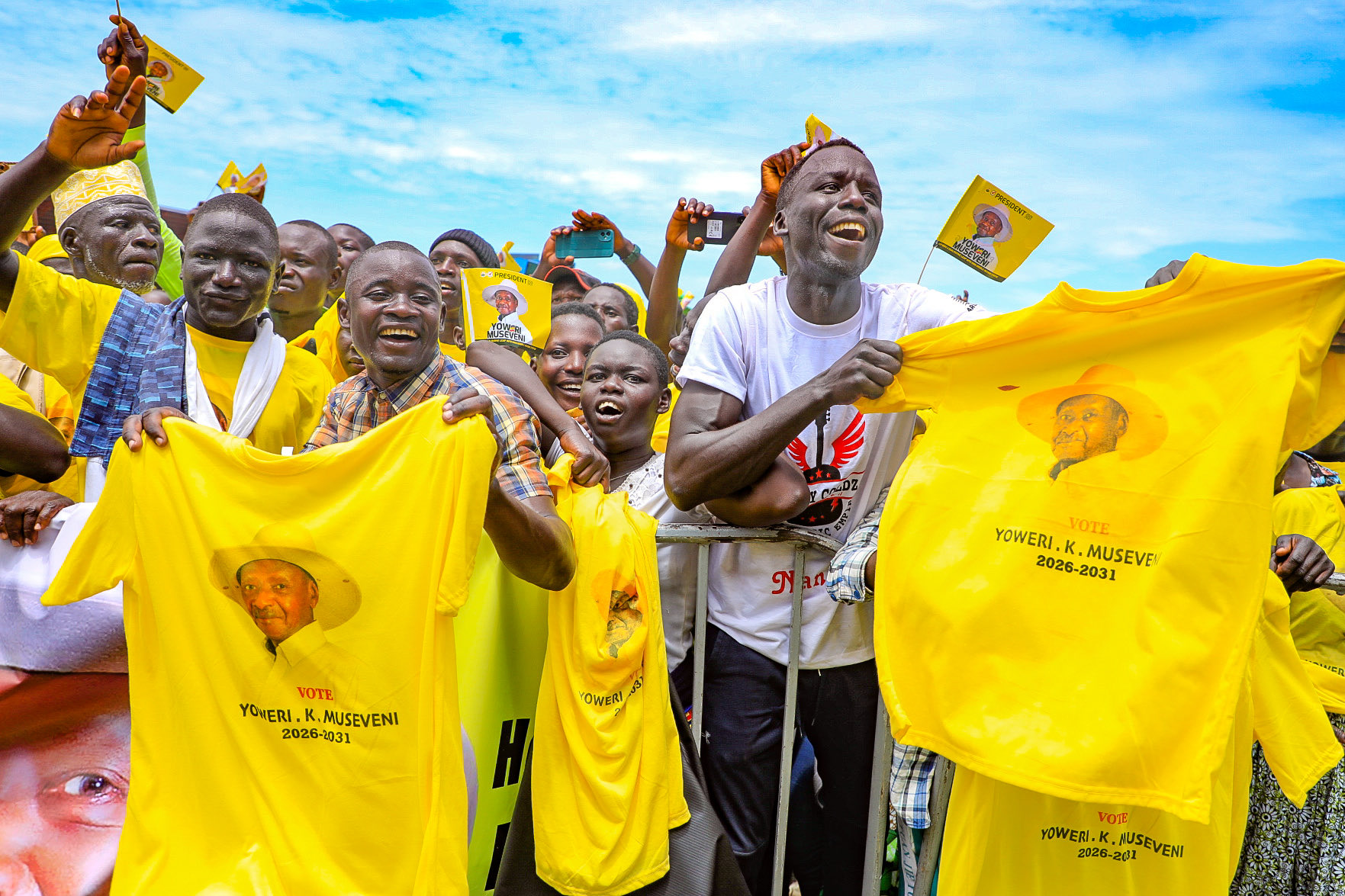
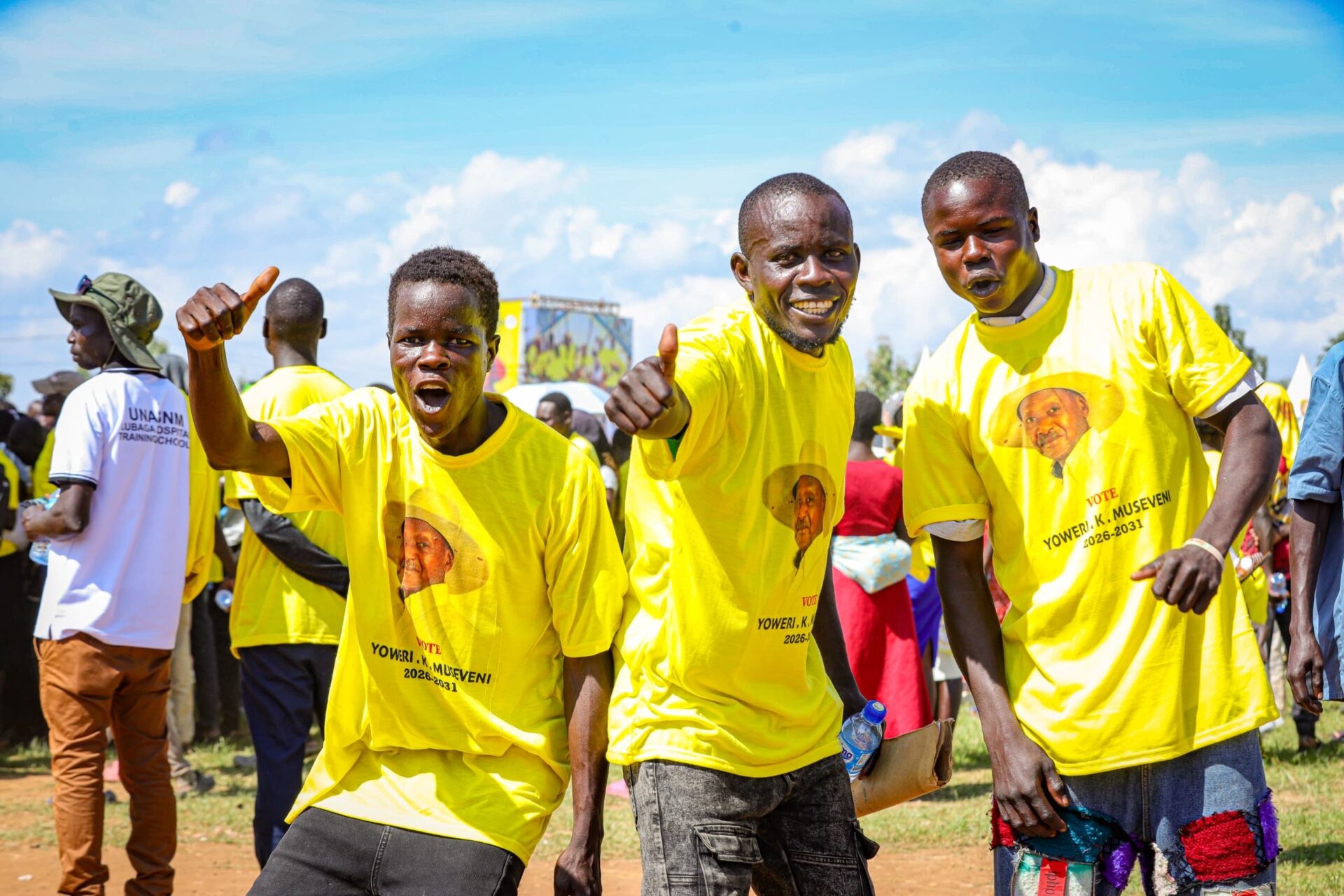
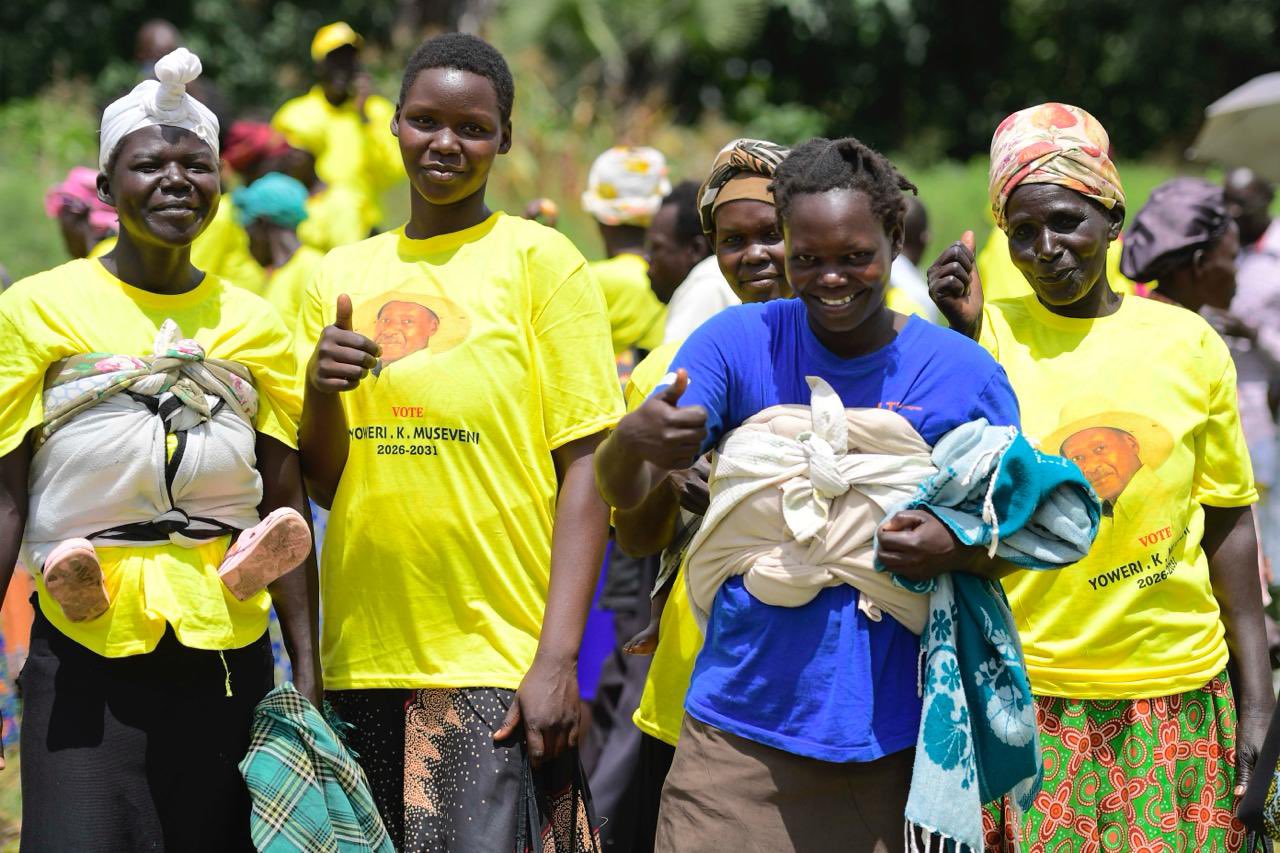
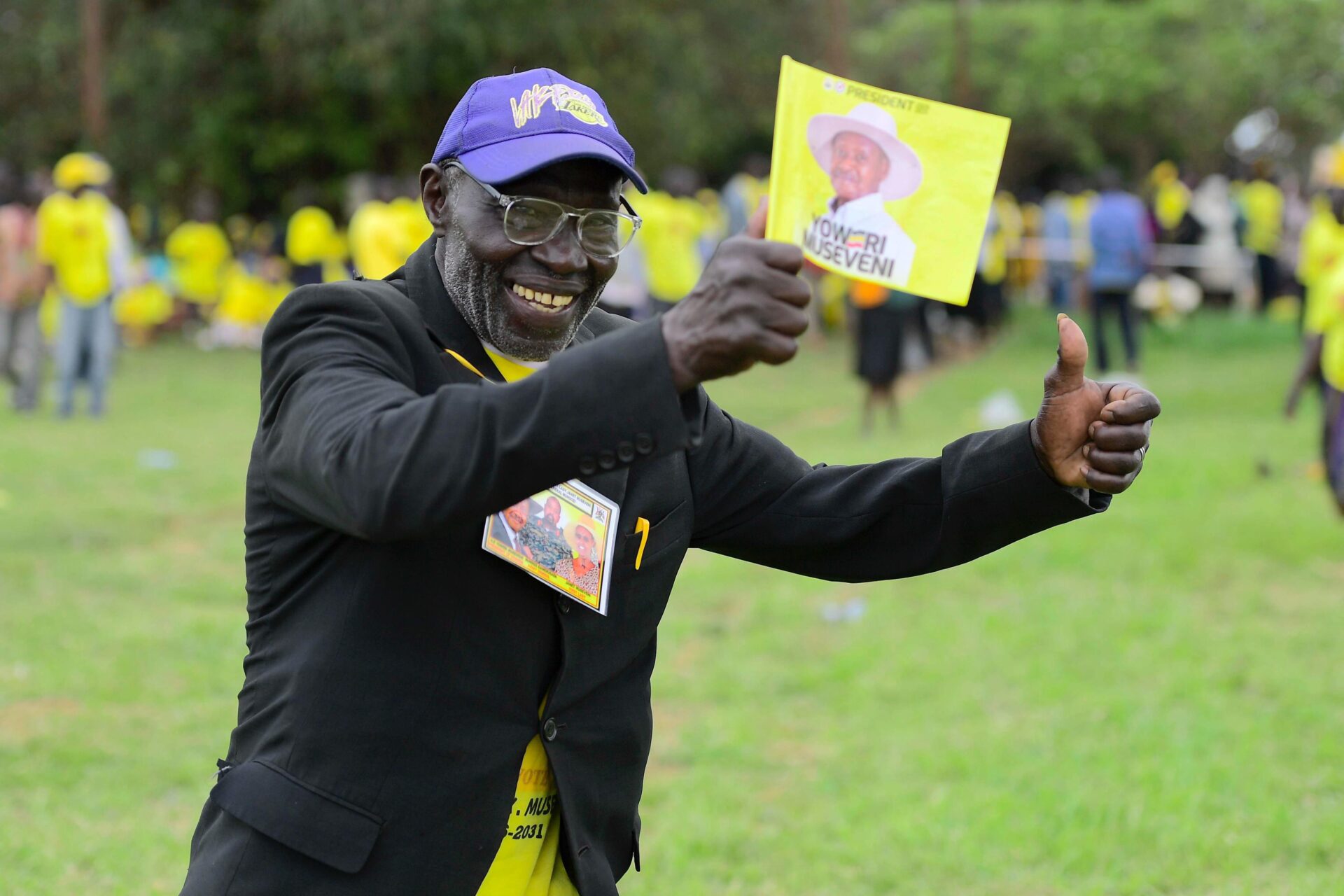
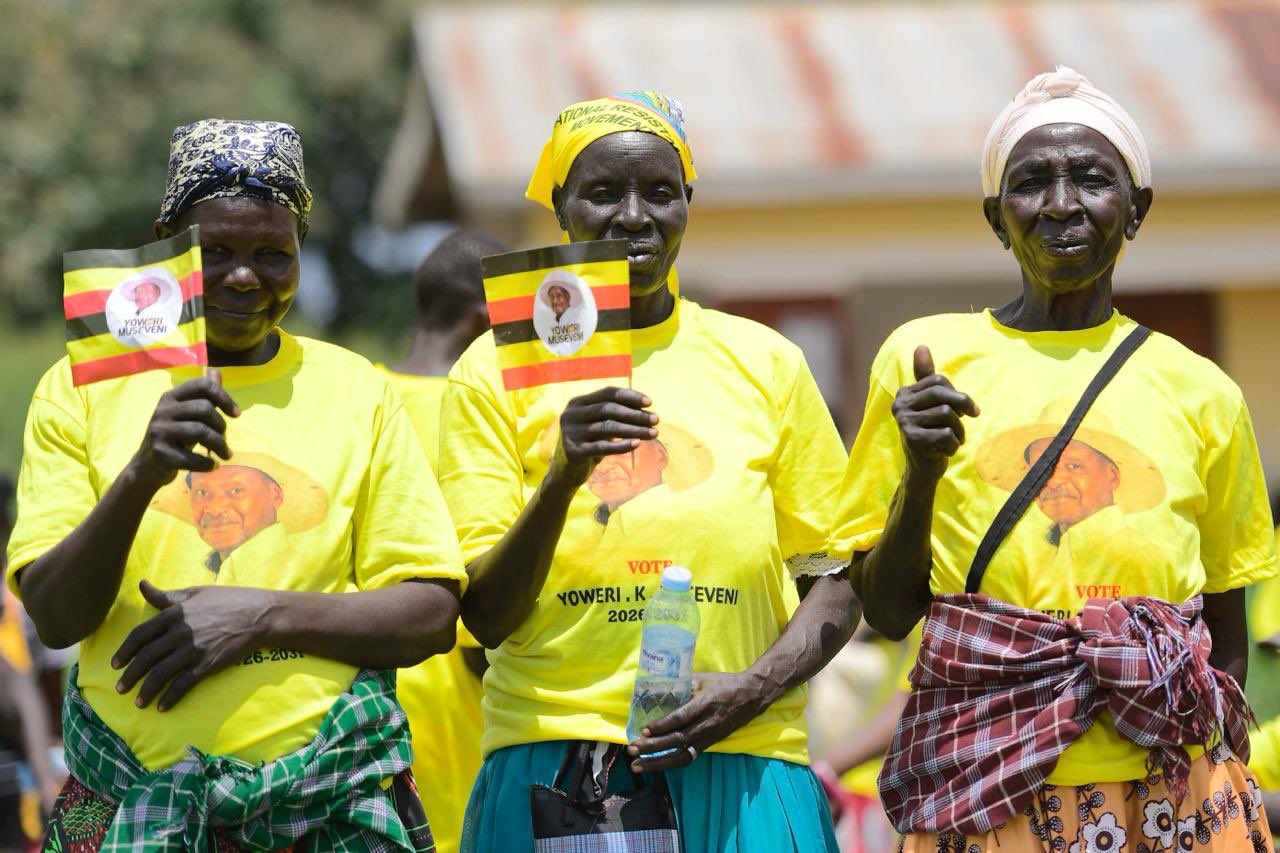
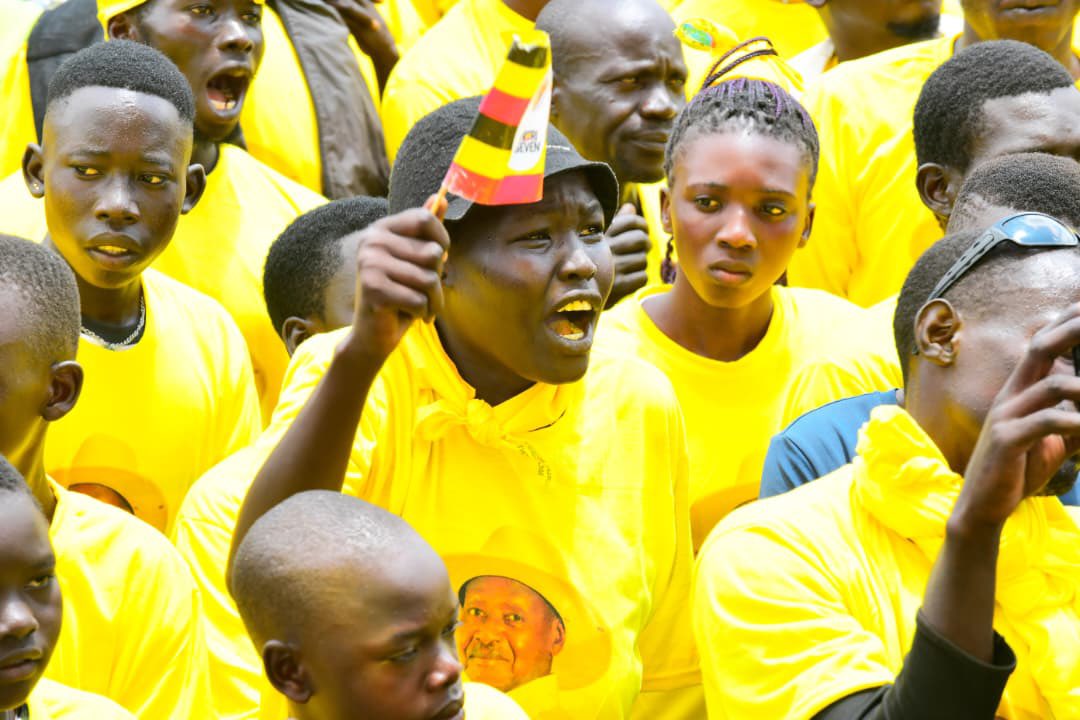
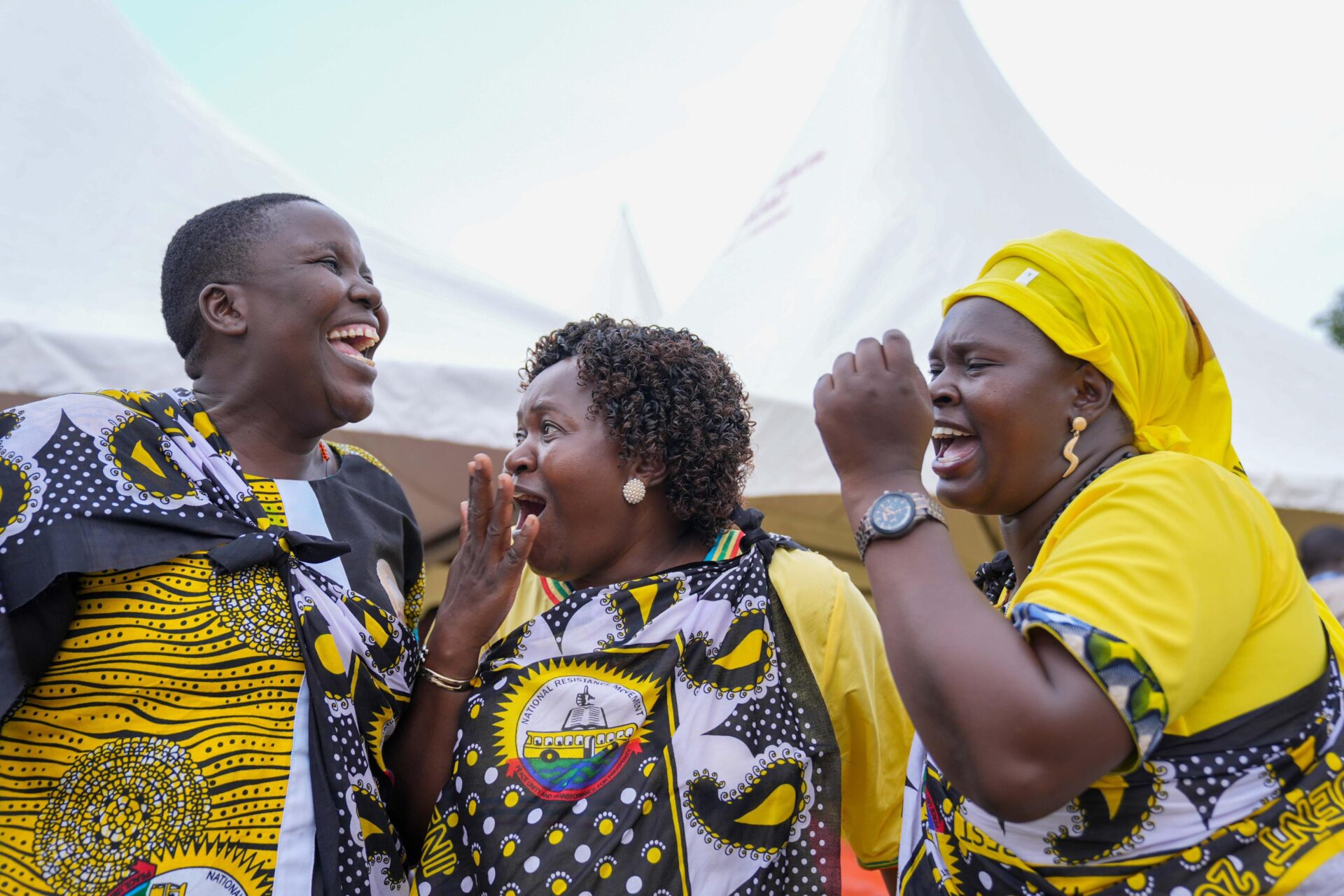
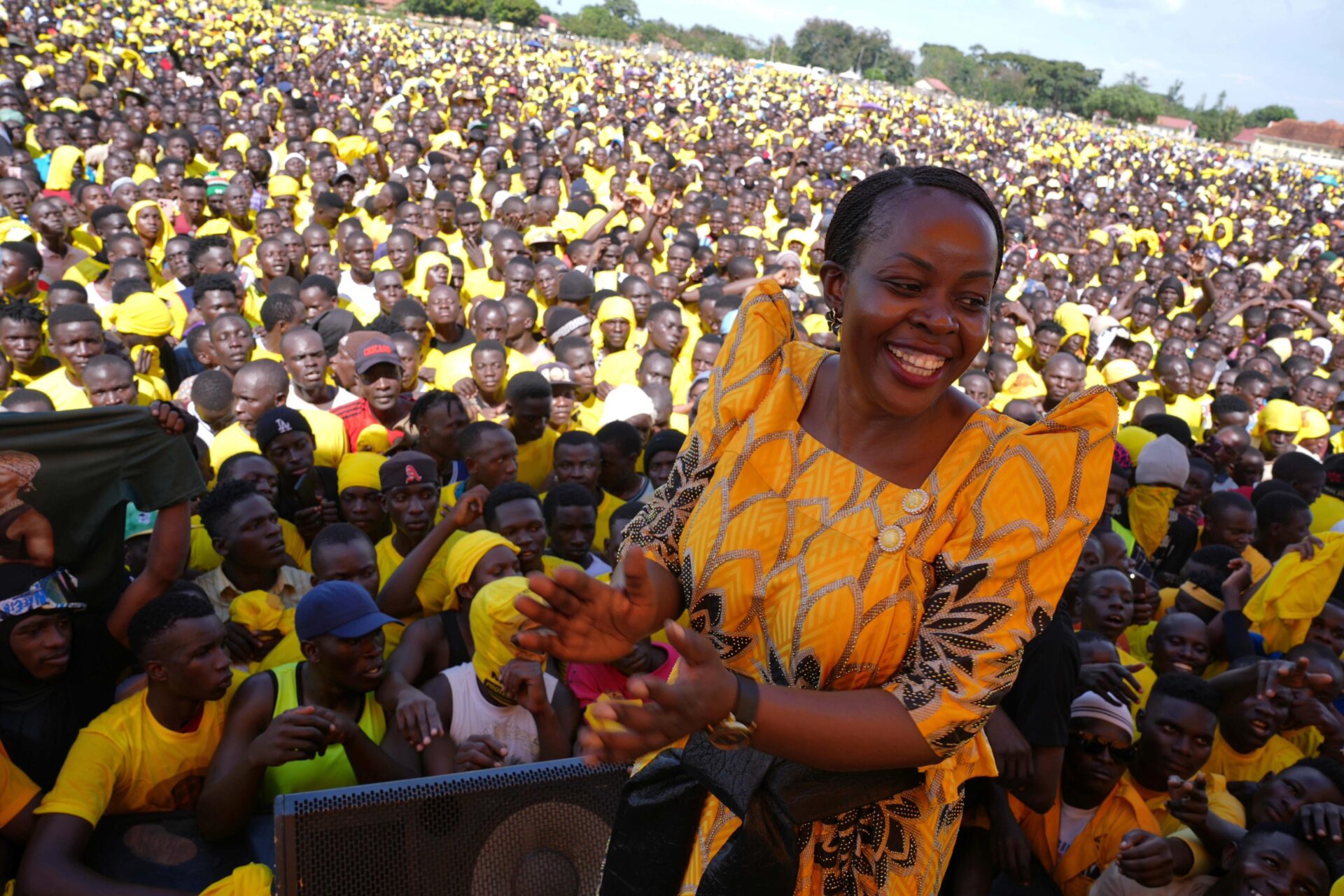
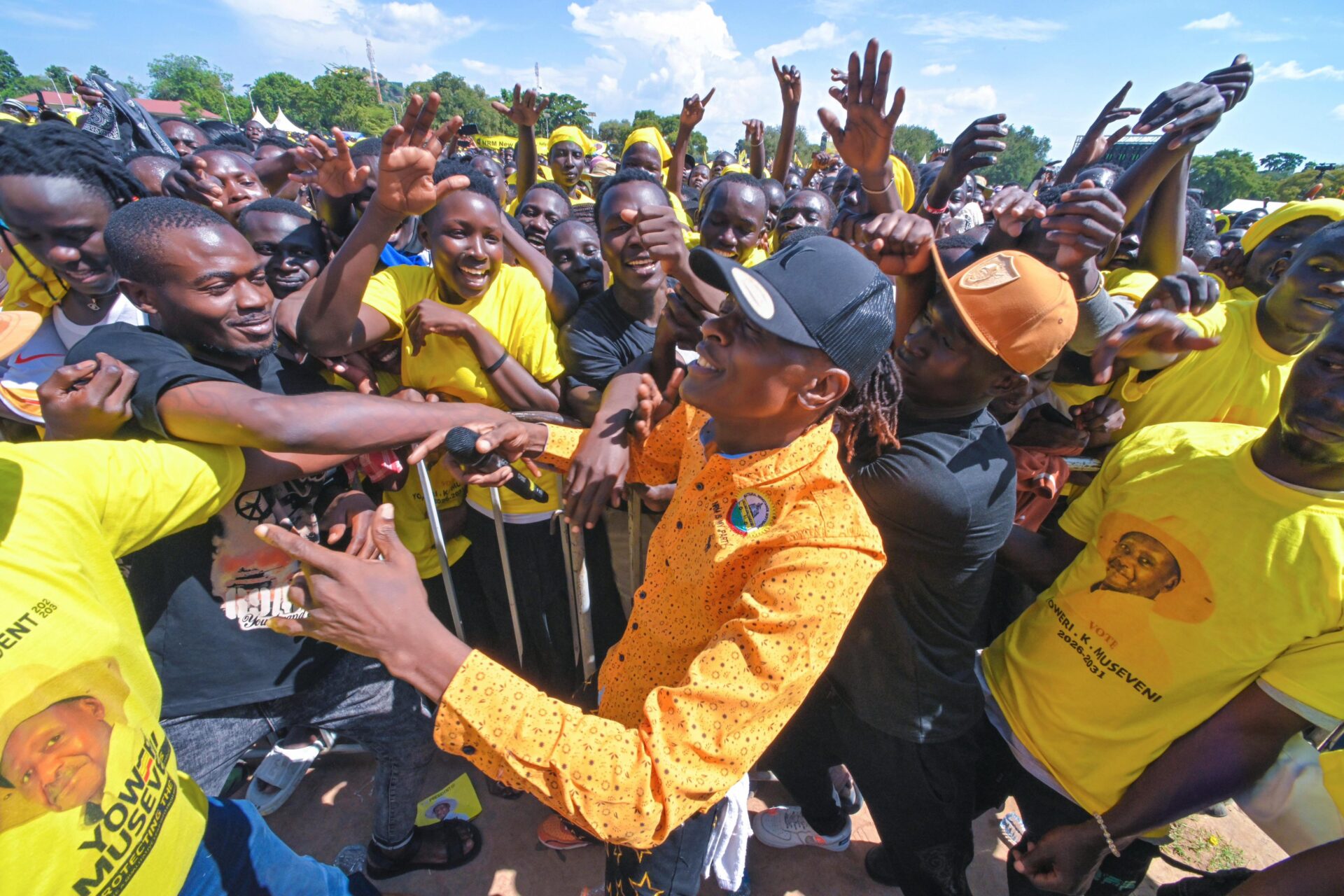
 The ultimate victory for the regime is not when a protest is crushed by tanks, but when it is led by a government minister, broadcast on state television, and concludes with participants peacefully dispersing, having achieved nothing more than a day out. It is the process of teaching people that their dissent is most welcome, so long as it is entirely harmless.
 The result is a quiet, managed, and deeply cynical nation, where the price of a soul is known to all, and the chequebook is always open.
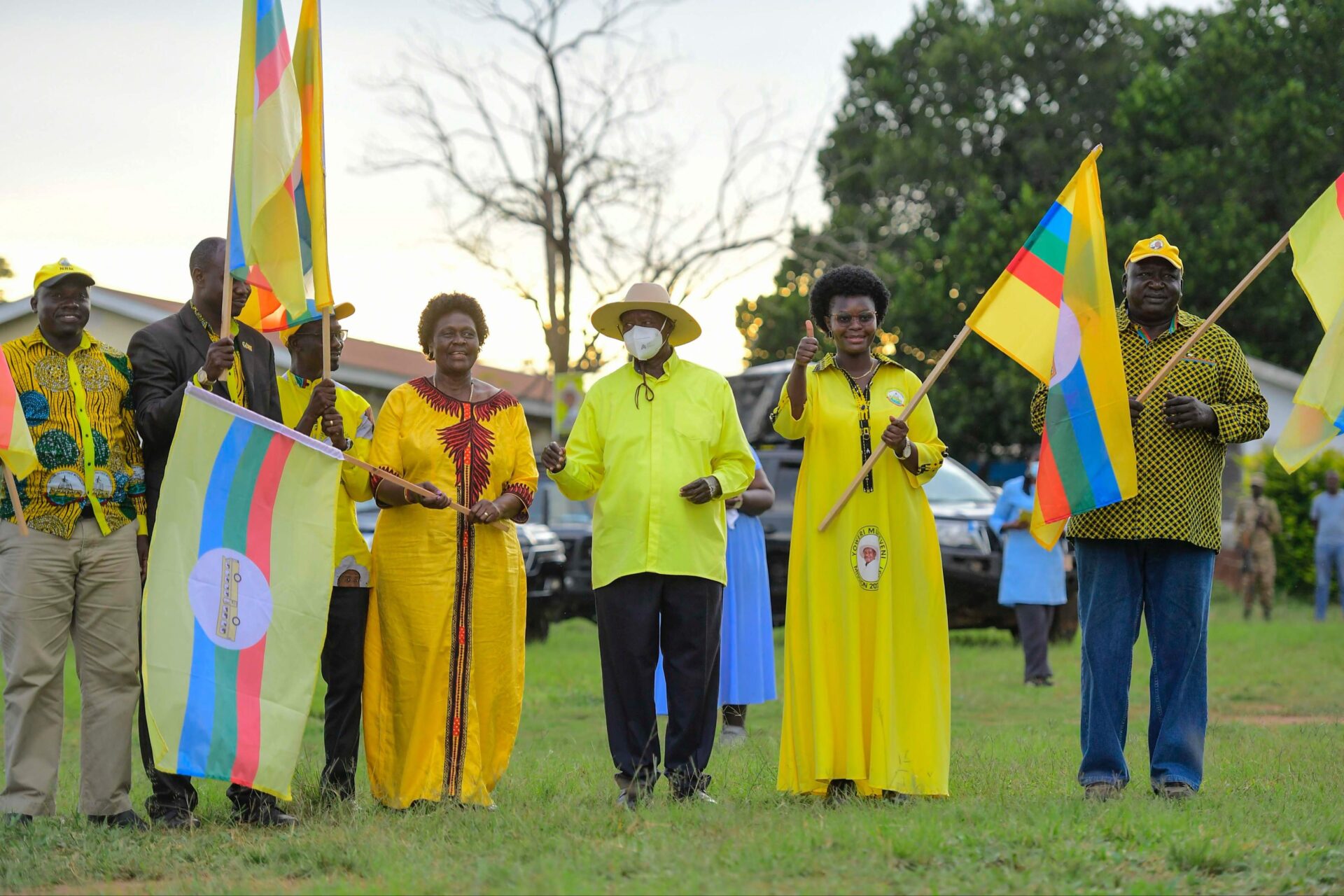 The adage that perfectly describes this elaborate charade is that it is all “smoke and mirrors.” The regime uses distraction, misdirection, and artifice to create an impressive spectacle that obscures the simple, unchanging reality of absolute control behind the stage.

 Understanding this is fundamental, for it reveals that the struggle is not about winning the next election as currently constituted, but about exposing the play for the fiction it is and demanding a theatre where the audience, not a single director, truly decides the show.
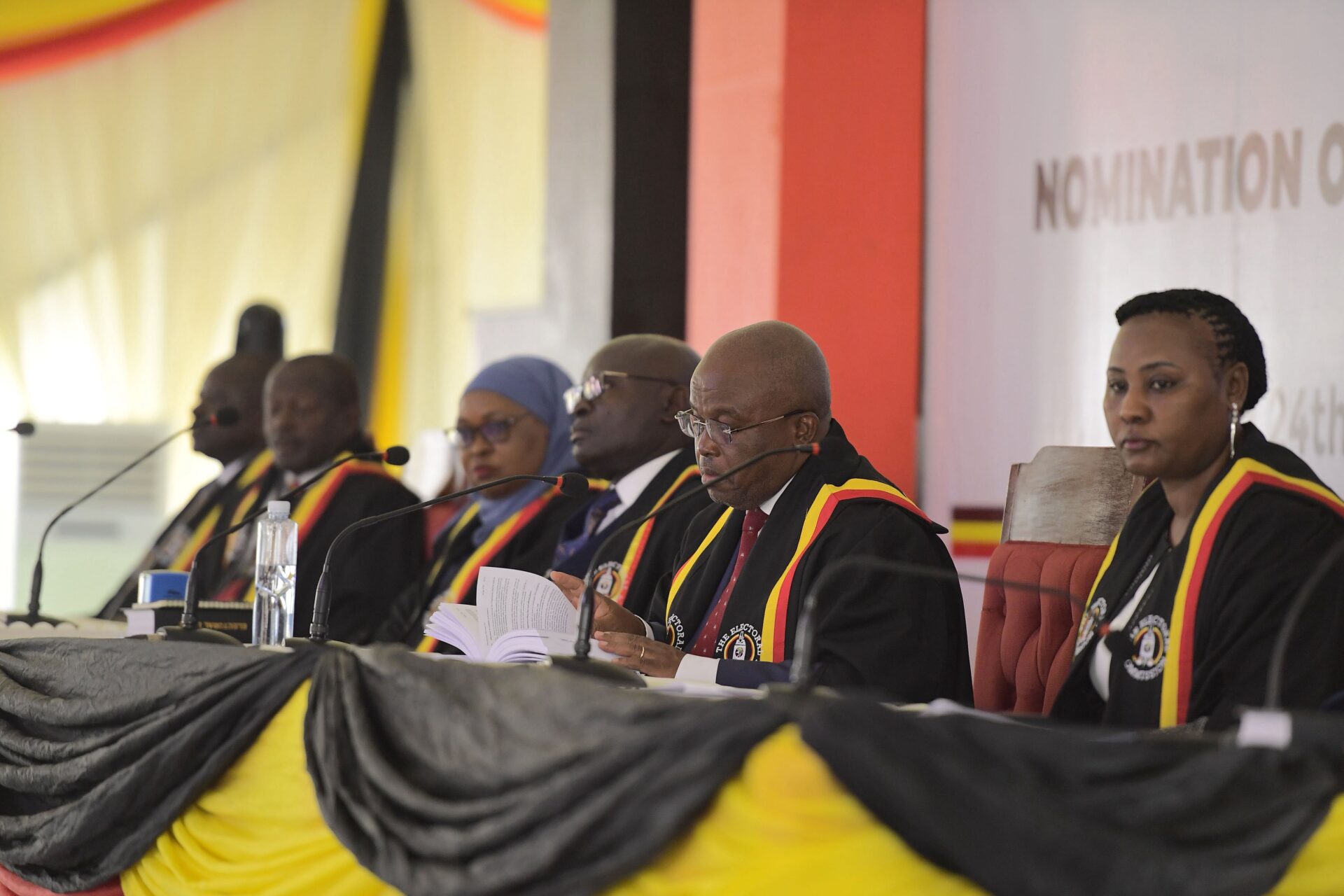 The adage that perfectly captures this perversion of talent is the warning that “the sharpest knives in the drawer” are being used not to carve a path to progress, but to stab the nation’s future in the back. Their intellectual prowess, which should be a national asset, has been privatised by the dictatorship and turned against the very people it should serve.
 The adage that perfectly illustrates this strategy is the manipulative twist on the saying, “The squeaky wheel gets the grease.” In the regime’s distorted version, the message is: “The silently broken wheel will be ignored, while the squeaky wheel will be branded a ‘security threat’ and forcibly replaced.” The system does not reward those who highlight problems; it punishes them for making noise.
 By championing a hollow, passive “peace,” the Museveni regime seeks to ensure that the profound, transformative peace that Ugandans truly deserve remains forever unreachable, sacrificed on the altar of its own permanent power. The greatest victory of this strategy is to make the people believe that to fight for their rights is to break the peace, rather than to realise its truest form.
 The adage that perfectly captures this dynamic is the fable of “the emperor’s new clothes.” The entire populace is encouraged to participate in the collective pretence, praising the finery of a freedom that is, in reality, entirely non-existent. To point out the naked truth—that our autonomy is an illusion—is to risk being labelled a fool or a traitor by those who have a vested interest in maintaining the charade.
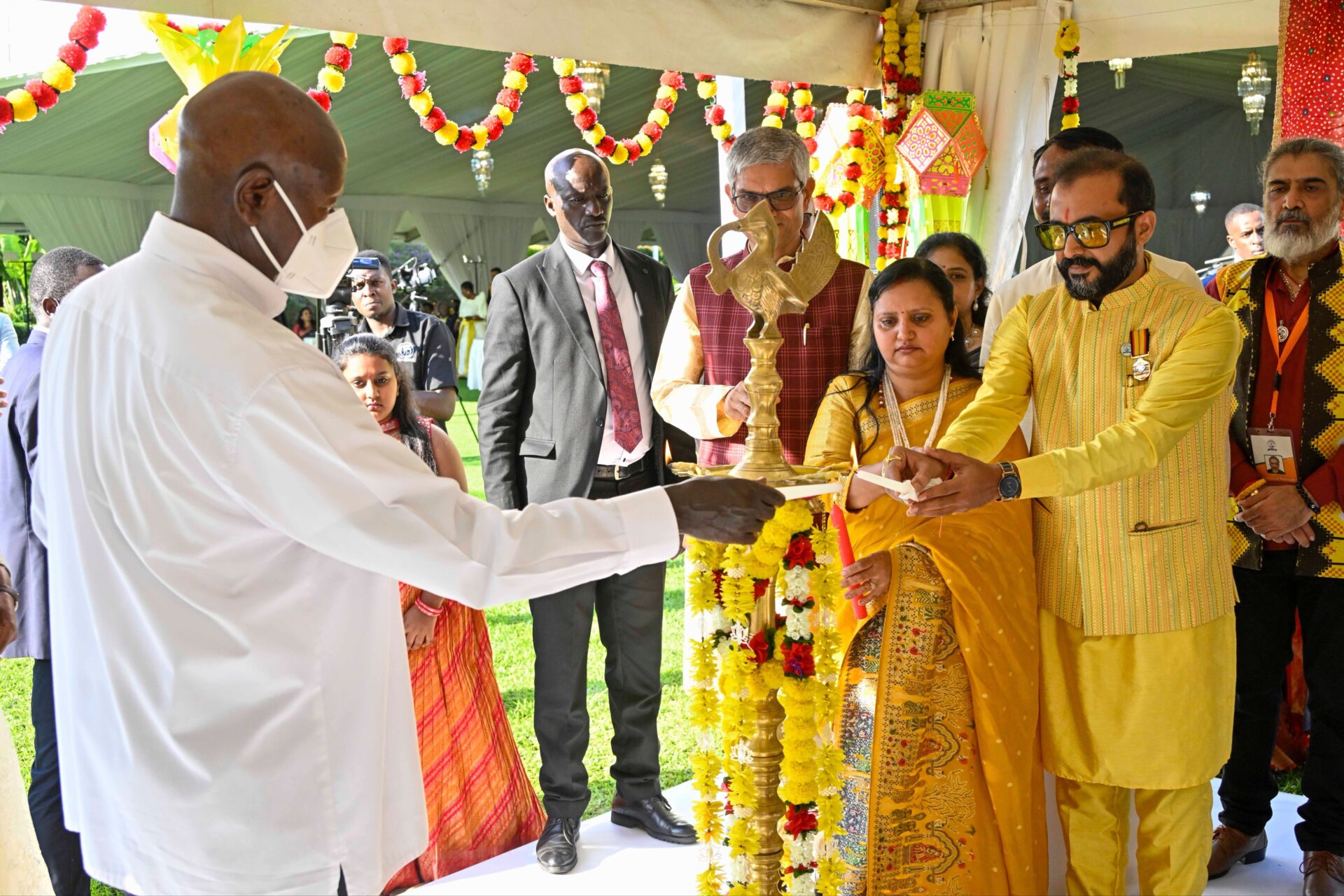 True autonomy will not arrive with a faster internet connection or a new shopping mall. It will begin only when Ugandans collectively reclaim the sovereign power to decide their own fate, to own their land without fear, and to build a future where the state is their servant, not their master. The illusion will persist only for as long as we choose to believe the emperor is wearing clothes.
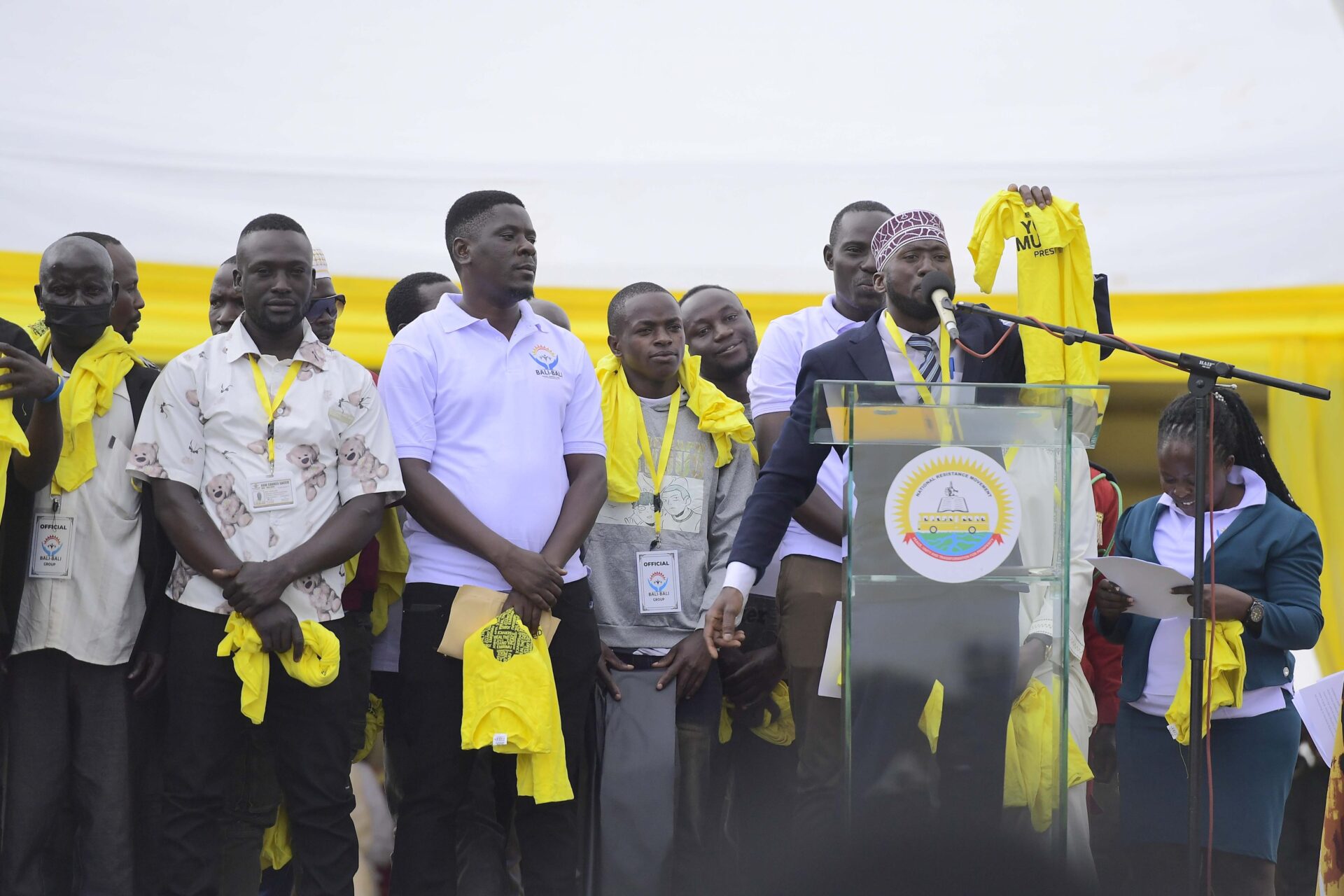 The adage that underpins this strategy is the timeless principle of “Divide and Conquer.” By keeping the populace fragmented into smaller, competing ethnic loyalties, the regime ensures that no unified challenge to its authority can ever coalesce. It is far simpler to play the role of arbiter between squabbling communities than to face a united citizenry with a single, common demand: “What have you done with our country?”
 The persistent tribal tensions in Uganda are not a historical accident; they are a political necessity for the regime. They are the walls of the prison, carefully maintained to ensure that the inmates never realise their combined strength is enough to knock down the gates. True nationalism, in its inclusive and demanding form, remains the one revolution the dictator is truly unprepared to face.
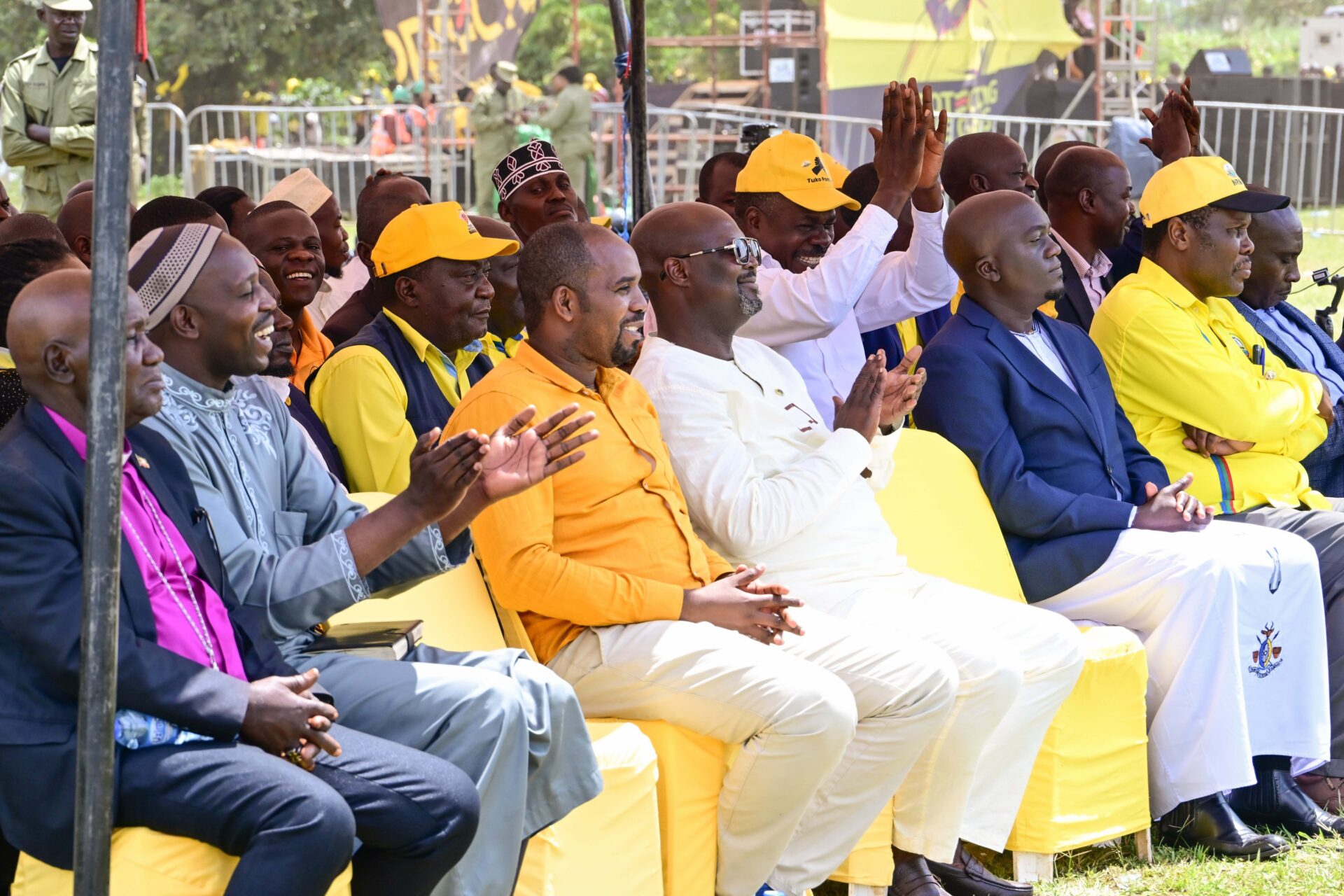 The adage that perfectly captures the necessity of this mental shift is the simple but profound observation that “a fish does not know it is in water.” For so long, the realities of the Museveni dictatorship—the patronage, the sycophancy, the institutionalised corruption—have been the “water” in which Ugandans have swum. It is the accepted medium of life, the assumed natural order. The revolution of the mind is the moment the fish becomes aware of the water, and in doing so, begins to imagine the possibility of a river that flows freely, or even an ocean.
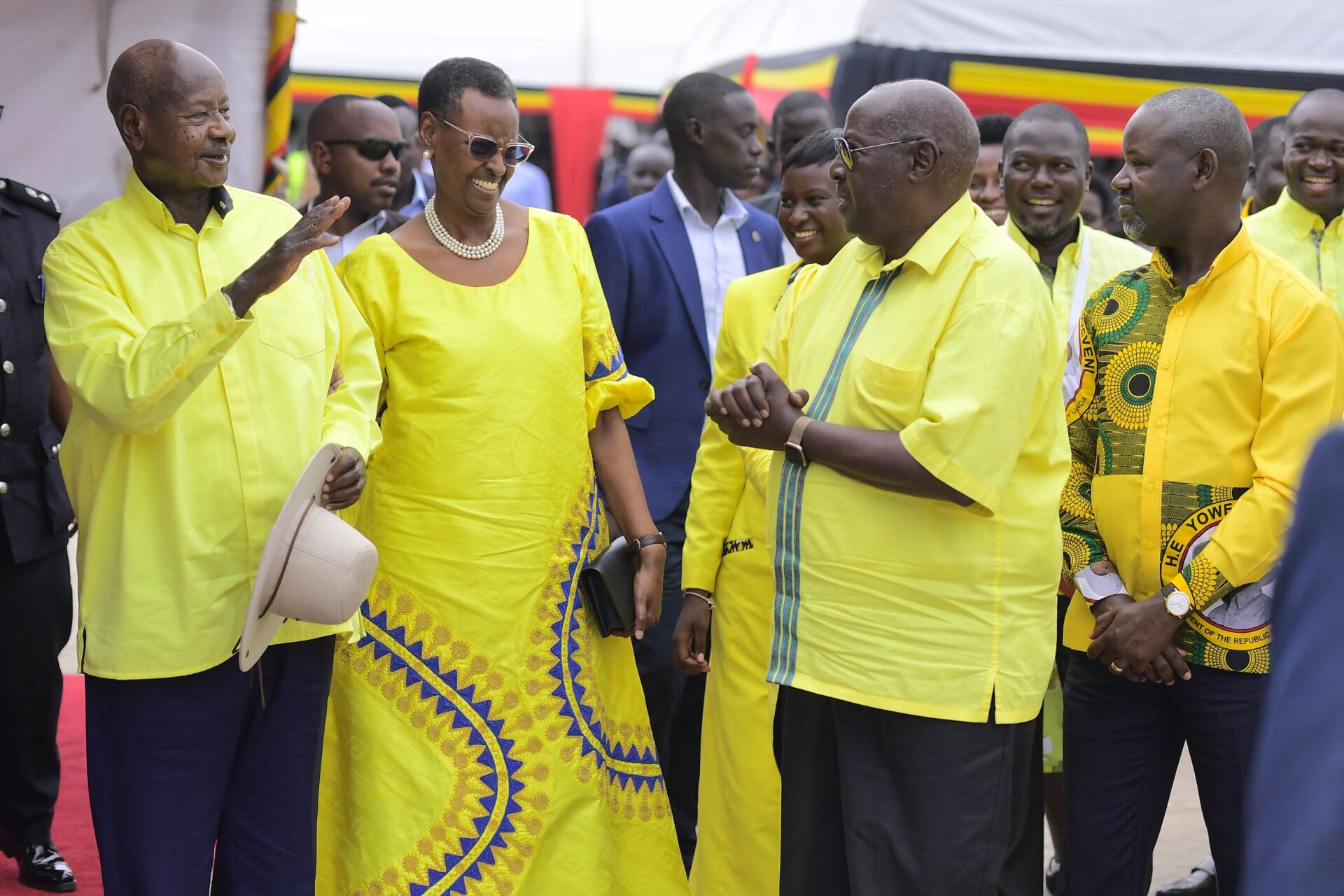 Until this internal revolution is won, all other struggles will be fragmented and vulnerable. But once it takes hold, it creates a force of unimaginable power: a people who are no longer merely against a dictator, but who are unequivocally for themselves and for a Uganda that exists, for the first time, in their own sovereign minds.
Addressing Counterarguments: The Seduction of the Superficial
In any rigorous critique of a political order, it is essential to engage with opposing viewpoints, not to dismiss them, but to expose the flawed assumptions upon which they rest. The analysis of Dictator Museveni’s regime as a system of managed concession and psychological control inevitably provokes a set of familiar counterarguments. These objections, often voiced by those invested in the status quo or paralysed by fear, must be met with clarity and intellectual force. To do so is not to be harsh, but to be honest about the difference between a nation’s glossy brochure and the lived reality of its people.
Counterargument 1: “But There Has Been Development and Peace”
This is the most frequently deployed defence, pointing to infrastructure projects and the absence of a full-scale civil war. However, this argument crumbles under a simple, probing inquiry: Peace for whom? Development for what?
The Quality of Peace: A peace maintained not by consent and justice, but by the constant, low-frequency threat of the security apparatus, is not peace. It is pacification. It is the silence of a schoolroom terrified of the headmaster’s cane, not the vibrant quiet of a contented community. This “peace” is the calm of the graveyard, where political life has been extinguished. For the journalist who self-censors, the activist who disappears into a safe house, or the community that dare not protest a land grabbing, this “peace” is a daily, suffocating reality.
The Character of Development: True development is holistic and empowering. It strengthens public institutions, raises the standard of living for the majority, and fosters citizen agency. What is often presented as “development” in Uganda is frequently a form of political theatre. A road built through an inflated contract, which funnels public funds into the pockets of a crony, is not a monument to progress; it is a monument to theft. A hospital built without a sustainable plan for staff, medicines, or maintenance is a concrete shell, a stage prop in the performance of governance. This kind of “development” is not for the people; it is a mechanism for laundering political capital and redistributing national wealth upwards to a connected elite. It creates the appearance of progress to mask the reality of systemic plunder.
Counterargument 2: “But What is the Alternative? Chaos?”
This is perhaps the regime’s most potent psychological weapon, and it relies on a logical fallacy as old as tyranny itself. It is the “false dichotomy”—presenting only two possible futures: the miserable present or a terrifying, anarchic collapse.
The Politics of Fear: This argument is designed to trigger a primal instinct for safety. It is the oldest trick in the book of authoritarian control: make the populace so fearful of the hypothetical monster of “chaos” that they willingly accept the very real monster of their own oppression. The regime positions itself as the indispensable bulwark against a descent into tribal bloodletting or Rwandan-style genocide, a narrative it carefully cultivates to justify its perpetual hold on power.
The Vision of Order: The goal of any genuine reform movement is not chaos, but a genuine, equitable order. The alternative to a dictatorship is not anarchy; it is accountable, democratic governance. It is the rule of law, not the rule of a single man. It is an independent judiciary, a free press, and a peaceful transfer of power. To argue that the only alternative to Museveni is chaos is to insult the intelligence and capability of the Ugandan people. It is to suggest that they are inherently incapable of self-governance, a colonial-era mindset that the dictatorship has ironically adopted as its core defence.
The true chaos already exists—it is the chaos of a healthcare system in shambles for the poor, the chaos of a generation with diplomas but no prospects, the chaos of a justice system that is for sale to the highest bidder. The struggle, therefore, is not between order and chaos, but between a false order that benefits a few and a true order that secures the rights and dignity of all. 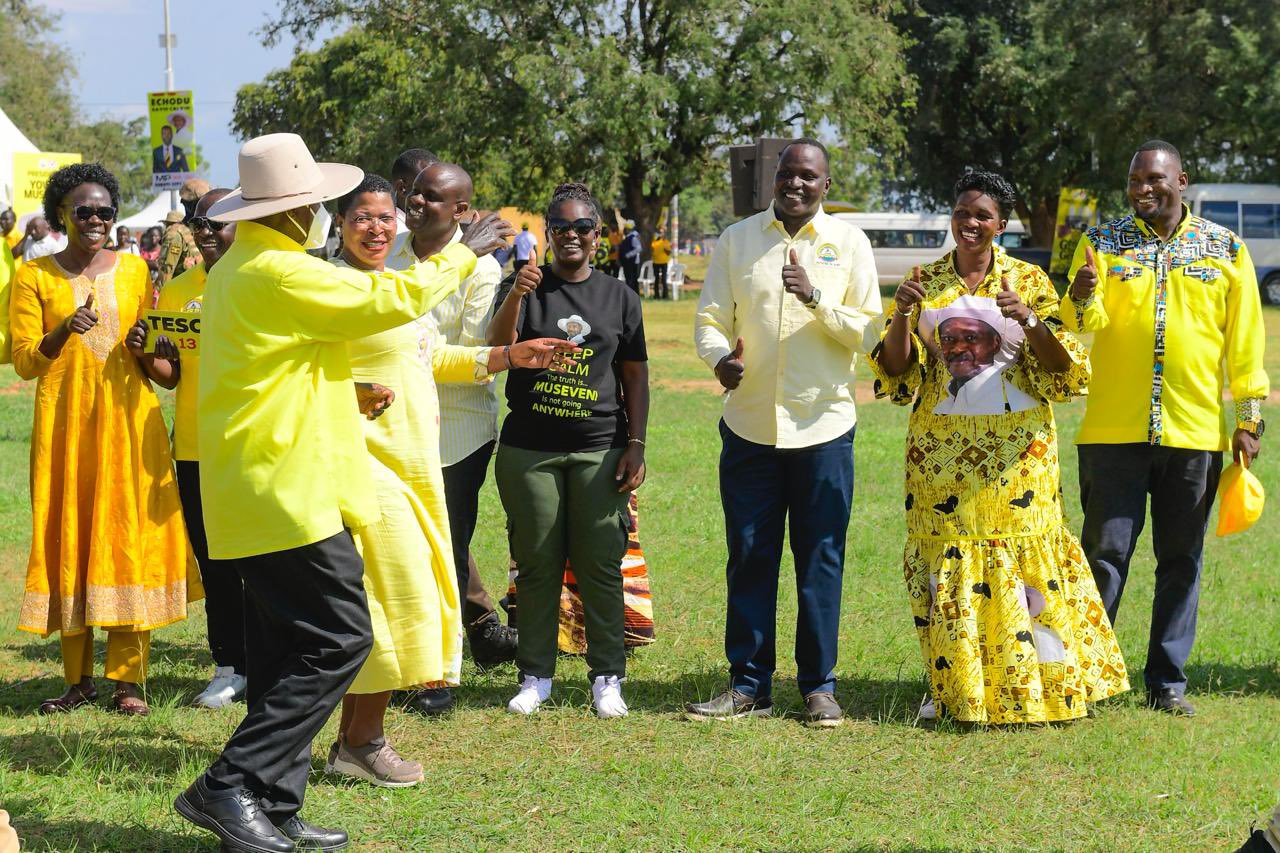 To reject the false choice between the dictator and the abyss is the first step toward envisioning and demanding a future built on a foundation of justice, not fear. It is to declare that the people of Uganda deserve more than to be merely pacified; they deserve to be truly free.
Conclusion: The Fire Next Time – An Unquenchable Spark
The transposition of Malcolm X’s unyielding analysis to the Ugandan condition serves not as a manual for violence, but as a stark mirror held up to our national conscience. It forces upon us an uncomfortable and essential question: do we see ourselves in the reflection of the house sycophant, measuring our worth by our proximity to the dictator’s court, our voices softened by the comforts of the antechamber? Or do we recognise the spirit of the grassroots within us—the enduring, resilient majority whose hunger for a fundamental and righteous change is as palpable as the Ugandan soil?
They silenced the man, Malcolm X, in a hail of bullets, believing they could murder a message. They were mistaken. In Uganda, the regime of Dictator Museveni may, for a time, co-opt our movements, purchase the allegiance of our most promising leaders, and sanitise our dissent into meaningless ceremony. It can fill the airwaves with its narrative and the streets with the performance of its power. Yet, despite this formidable machinery of control, it possesses no tool capable of permanently extinguishing the smouldering ember of a people’s desire for true self-determination. This ember glows in the quiet resolve of a farmer defending his land, in the frustrated ambition of an unemployed graduate, and in the silent prayer of a mother for a better future for her child.
The revolution that truly matters—the one that is bloody in its honesty, hostile to hypocrisy, and knows no compromise with injustice—will not be announced on the front page of the state-owned newspaper. It begins, quietly and irrevocably, in the human heart. It ignites when we, the people, collectively cease pleading for a more generous portion from the master’s table and instead resolve to build our own table, on our own land, according to our own design. This is not a call to arms, but a call to agency; it is the ultimate expression of a nation coming into its own.
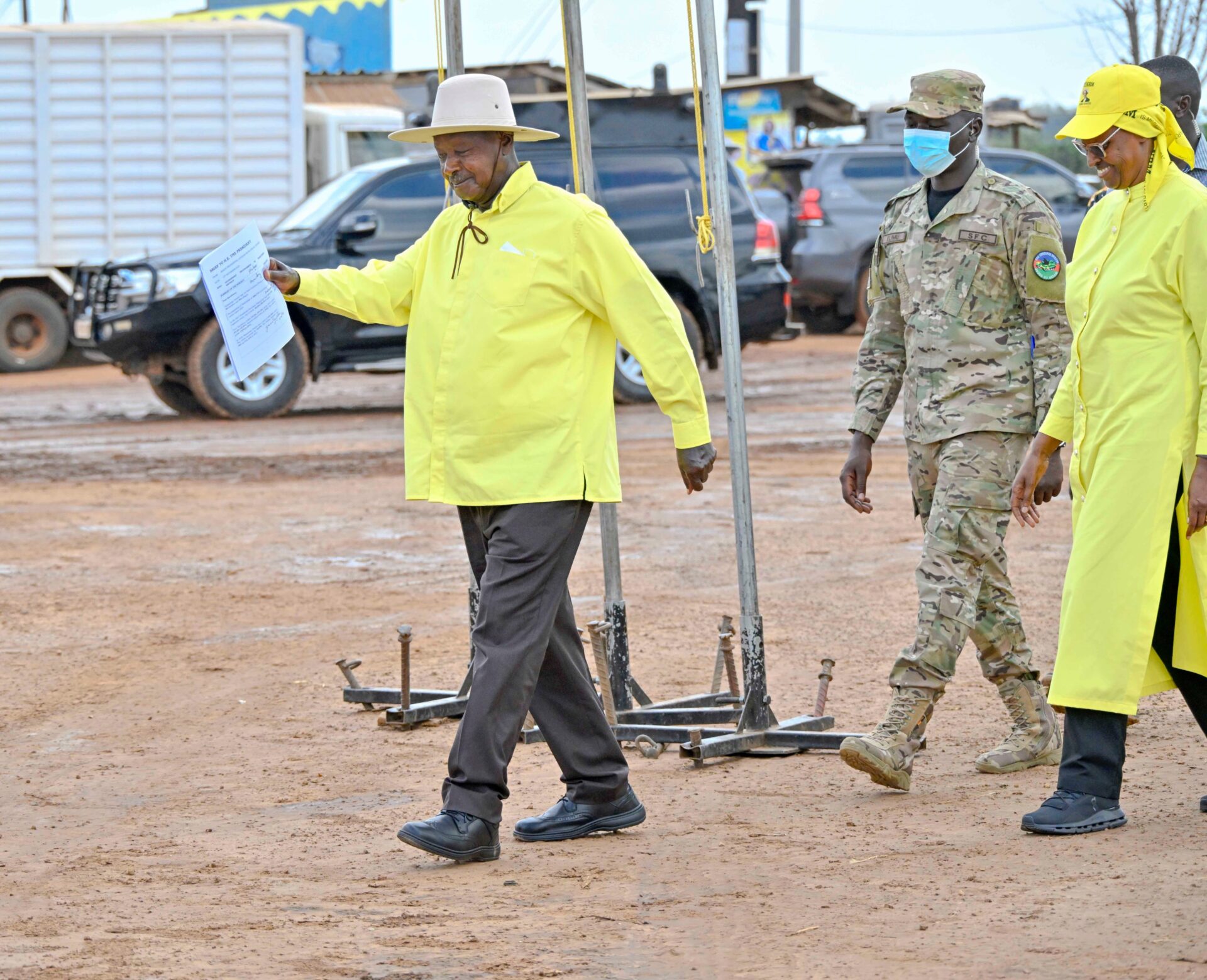 The old adage warns that “you can lead a horse to water, but you cannot make it drink.” For decades, the dictatorship has led the Ugandan people to the bitter well of managed democracy and patronising concession. It has decorated this well with the ribbons of infrastructure and sung songs of peace and stability. But the people are growing increasingly thirsty for a different kind of water—the clear, clean water of accountability, of genuine freedom, and of unassailable sovereignty.
Therefore, the pivotal question that now hangs over the nation is not if Uganda will change. The relentless currents of history and the indomitable nature of the human spirit guarantee that it must. The only question that remains is when its people will collectively decide, in their minds and in their spirits, that they have had enough of the performance. 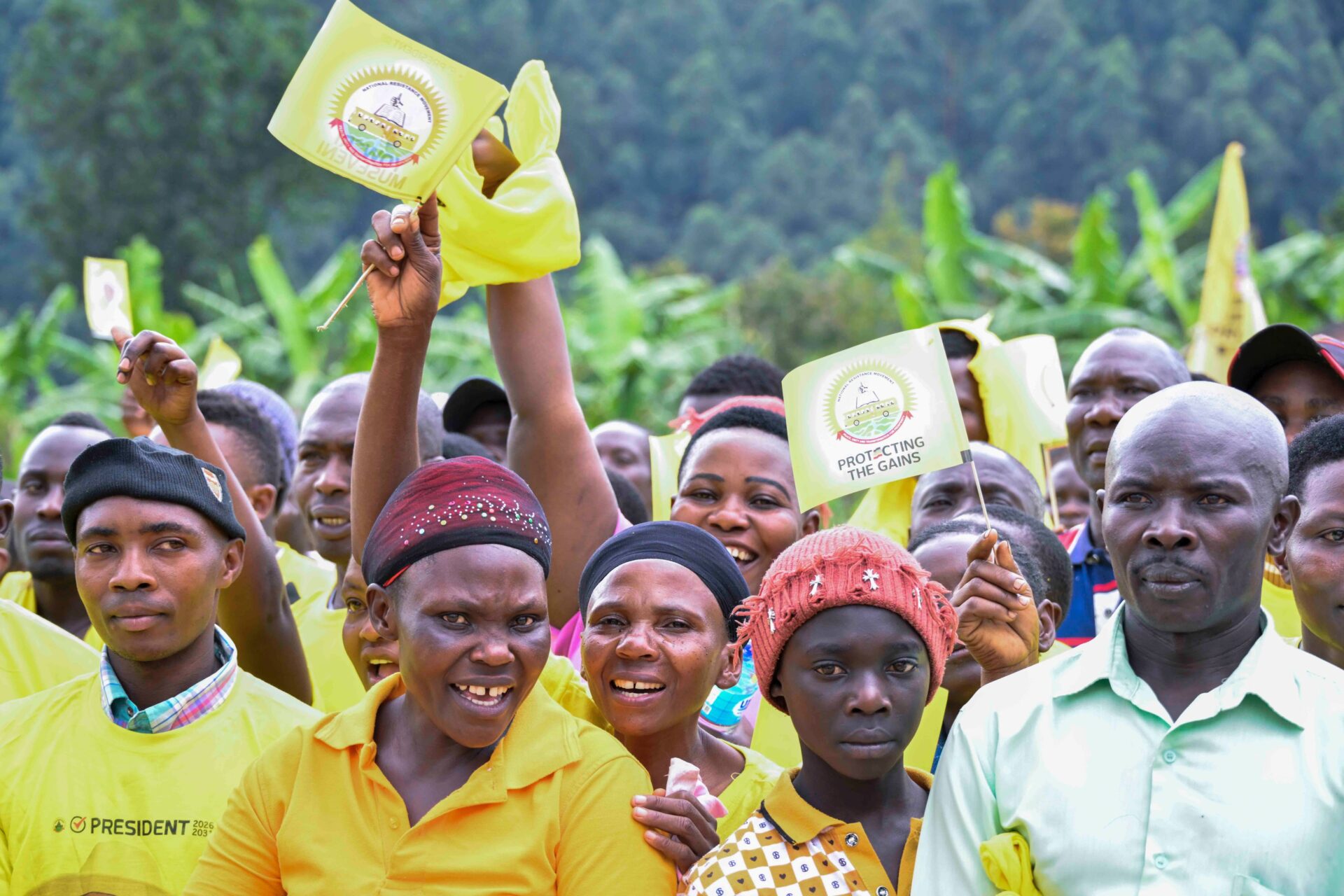 When will they tire of the elaborate political theatre, the gilded cages of patronage, and the insulting pretence that they are free when they are merely managed?
The fire next time may not be one of literal flames, but of a national will that can no longer be contained. It is the fire of a truth that has been too long suppressed, now demanding to be heard. The performance cannot run forever, for eventually, the audience will see the cracks in the scenery, recognise the lines as mere script, and reclaim the stage as their own. When that day arrives, the curtain will fall not with a bang, but with the unified, quiet, and determined voice of a people who have chosen, at last, to stop being actors in a dictator’s play and to become the authors of their own destiny.

RELATED PUBLICATIONS:
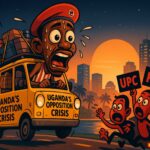 Bobi Wine & NUP Corruption: The Inside Story of Uganda’s Opposition Crisis
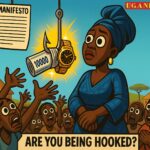 Uganda’s 2026 Election Manifestos: A Deep Dive into Promises vs. Delivery
 The Politics of Patronage: Analysing Museveni’s Leadership Style in Uganda
 The Illusion of Dialogue:The Real Meaning of Uganda’s IPOD Dialogue & Political Theatre
 The Unspoken Truth: Is the 1995 Ugandan Constitution Still Relevant?
 Dictator Museveni’s Security Strategy: The Tribal Capture of Uganda’s Police
 Jennifer Nakangubi (Full Figure) Assault: How Social Media Amplified Violence Against Women in Uganda
 Uganda Police Briefing: Jennifer Nakangubi (Full Figure)& Electoral Neutrality Pledge
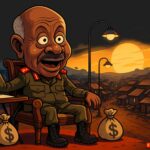 Ugandan Politics Exposed: The Illusion of Choice and Managed Opposition
 The NUP Corruption Allegations: A Sign of a Deeper Political Failure?
 US-Uganda Asylum Seeker Transfer Deal: What You Need to Know
 Uganda Police Force Defends Arrests, Denies Kidnap Allegations
 Uganda’s Energy Efficiency and Conservation Bill 2024: A Comprehensive Analysis
 Uganda-China Defence Pact: Analysing Muhoozi Kainerugaba’s Beijing Deal with Gen Liu Zhenli
 Digital Exile: How Ugandan Writers Are Conquering Censorship