
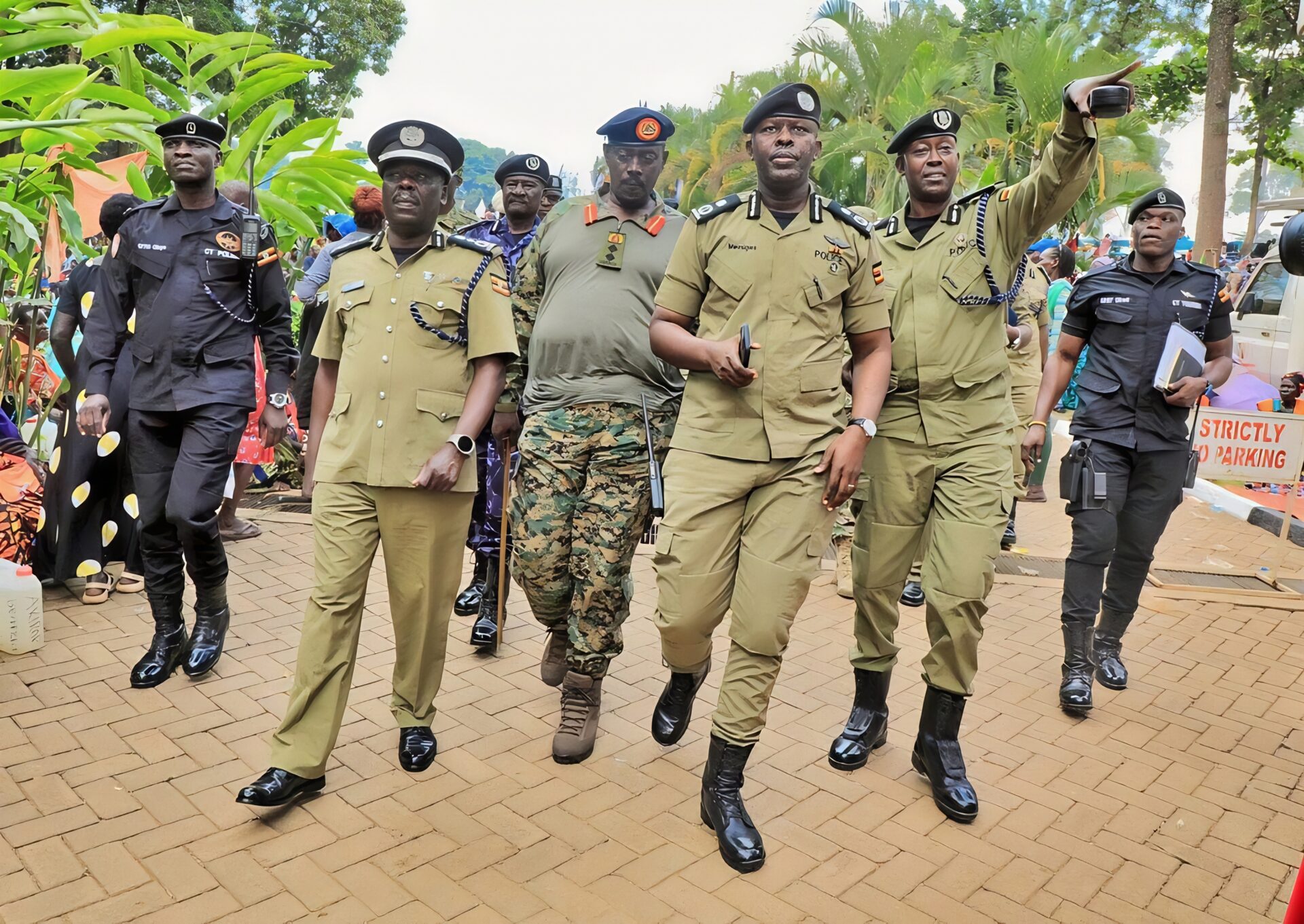
The Human Cost: How Police Tribal Bias Erodes Public Trust in Uganda
At the heart of East Africa, Uganda enshrines in its Constitution a promise of unity amidst a rich mosaic of over 56 indigenous tribes. Yet, this ideal stands in stark contrast to the current crisis engulfing the national police force—an institution tasked with reflecting the nation’s diversity, but now widely accused of having been repurposed into a partisan apparatus serving the interests of President Yoweri Museveni’s regime.
This in-depth analysis lays bare a deeply embedded system of tribal favouritism, wherein the upper echelons of police leadership—from Inspector General of Police Abbas Byakagaba to the supervising Minister, Kahinda Otafiire—are disproportionately drawn from a single ethnic group originating in Uganda’s western region. The extent of this imbalance is underscored by credible reports that senior police command meetings are routinely conducted not in any of the country’s official languages, but in Runyankore—Museveni’s adopted language (his mother tongue being Kinyarwanda). This practice fosters an exclusionary culture, reinforcing an insider–outsider divide that marginalises the majority of Ugandans.
 This analysis probes the mechanisms of institutional control within Uganda’s national police, focusing on how pivotal directorates—Operations, Criminal Investigations, and the notorious Field Force Unit—are helmed by individuals whose foremost loyalties appear rooted in tribal and political allegiance, rather than in the impartial application of the law.
The repercussions are severe. A debilitating ‘brain drain’ has emerged, as capable officers from marginalised ethnic groups encounter an entrenched glass ceiling. Simultaneously, public confidence in law enforcement has plummeted, with entire communities now reluctant to report crimes, fearing bias or neglect.
This article examines the economic toll of systemic corruption, the mounting international censure from human rights bodies, and the disturbing echoes of authoritarian regimes past. In conclusion, we chart the critical pathways to reform—arguing that unless this ethnic stranglehold is dismantled, the Uganda Police Force will continue to serve as a source of division, rather than a protective institution for the nation it is constitutionally bound to uphold.
Key Points to Explore in the Article
The Illusion of Unity: A National Tapestry Unraveled by Tribal Hegemony
Uganda prides itself on being a vibrant mosaic of cultures. With 56 constitutionally recognised tribes—from the Baganda in the central region, with their ancient kingdom and rich traditions, to the Acholi in the north, known for their resilient spirit and complex social structures—the nation’s strength should lie in this very diversity. The constitution itself envisions a state where all citizens are equal, and where public institutions reflect the collective face of the nation. However, this grand tapestry is being systematically unravelled by a thread of tribal favouritism, nowhere more visible than in the leadership of the Uganda Police Force. The stark contrast between the country’s pluralistic makeup and the force’s monolithic command structure is not a mere administrative anomaly; it is a deliberate political strategy that fundamentally undermines national cohesion. As the adage goes, “a chain is only as strong as its weakest link,” and in Uganda, the chain of national unity is being severely tested by a leadership model that excludes the majority of its links.
1. The Constitutional Promise Versus The Political Reality
The 1995 Constitution of Uganda, in Chapter Four (The Bill of Rights), explicitly guarantees equality and freedom from discrimination on the grounds of ethnicity, birth, and social origin. The establishment of institutions like the Uganda Police Force is predicated on this principle. They are meant to be national institutions, funded by the taxes of all Ugandans—the Iteso farmer, the Bakonzo trader, the Langi teacher—and thus accountable to them all. The expectation is that such a force would be a microcosm of the nation, with its leadership drawing from the vast pool of talent across all regions, fostering a sense of shared ownership and trust.
2. The Demographics of Power: A Western Monopoly
A cursory analysis of the police leadership roster reveals a glaring and persistent imbalance. A significant proportion of the top brass, including the Inspector General of Police (IGP), the Minister of Internal Affairs who oversees the force, and a commanding majority of key directors, hail from a single ethnic and geographical background: the Runyankore-speaking communities of western Uganda.
This is the homeland of Dictator Yoweri Museveni. This over-representation is so pronounced that it cannot be explained by coincidence or a random concentration of merit. It points to a calculated policy of ethnic stacking. The reported conduct of high-level police meetings in Runyankore is the ultimate symbol of this exclusion. It acts as an invisible barrier, signalling to officers from other tribes that their career progression has a predetermined ceiling, and that true influence resides within a closed ethnic circle.
3. The Mechanics of Exclusion: How Homogeneity Breeds Partisanship
This tribal homogeneity is not a benign oversight; it is the engine of a partisan state. By ensuring that the levers of coercive power are controlled by a group perceived as personally loyal, Dictator Museveni transforms a public institution into a regime protection service.
Operational Control: The Directorates of Operations and the Field Force Unit, which command the personnel who manage public assemblies and protests, are led by individuals from this same circle. Their allegiance in moments of political tension is therefore not to the abstract concept of public order, but to the preservation of the ruling regime.
Investigative Bias: The Criminal Investigations Directorate (CID) and Crime Intelligence, under leaders from the same background, have the power to direct investigations. This creates a system where cases against political opponents or regime critics are pursued with vigour, while those involving allies may be sidelined or buried.
Ideological Conformity: The role of the Chief Political Commissar becomes one of ensuring that the partisan loyalty of the force is maintained, indoctrinating the ranks to serve the interests of the government in power rather than the constitution and the people.
In this environment, the police force ceases to be an impartial arbiter of the law. For a citizen from a different tribe, the sight of a police command structure that mirrors a single, politically dominant ethnicity erodes any faith in its fairness. The force is no longer considered their police, but as his police.
4. The Consequences: A Nation Weakened
The ramifications of this imbalance are profound. It breeds deep-seated resentment and alienates large segments of the population, who see the state not as a protector but as an occupying force favouring one group. It creates a force where sycophancy is rewarded over competence, leading to a decline in professionalism and effectiveness in combating actual crime. Ultimately, it proves the adage true: a nation, like a chain, is only as strong as its weakest link. By systematically excluding the talent and representation of the majority of its ethnic groups, the regime is not strengthening its grip but weakening the very foundations of the Ugandan state, fostering divisions that history shows can have long-lasting and devastating consequences. The homogeneous police leadership is not a sign of strength, but a symptom of a profound and dangerous fragility at the heart of the nation.
The Blueprint of Exclusion: A Closed Shop in Uniform
An examination of the upper echelons of the Uganda Police Force reveals a pattern so consistent, it can no longer be dismissed as coincidence. It is a deliberate blueprint of exclusion, where key appointments are reserved for individuals from a specific ethnic and geographical circle, effectively transforming a national institution into a private stronghold. The adage, “It’s not what you know, but who you know,” has been weaponised by the regime, perverting meritocracy into a system of tribal patronage that ensures the police force serves not the public, but the interests of Dictator Yoweri Museveni and his inner circle.
1. The Anatomy of the “Closed Shop”
A “closed shop” is a term traditionally referring to a business or organisation that hires only union members. In the Ugandan context, it describes a public institution where membership to the top tier is contingent not on professional competence or experience, but on belonging to the “right” ethnic group and demonstrating unwavering loyalty to the regime.

The leadership roster provides a clear case study:
The Oversight: The police force is overseen by the Minister of Internal Affairs, Maj Gen Kahinda Otafiire, a figure from Dictator Museveni’s western Ankole sub-region, and his junior minister, Maj Gen David Muhoozi, also from the same western region. This sets the tone from the very top.
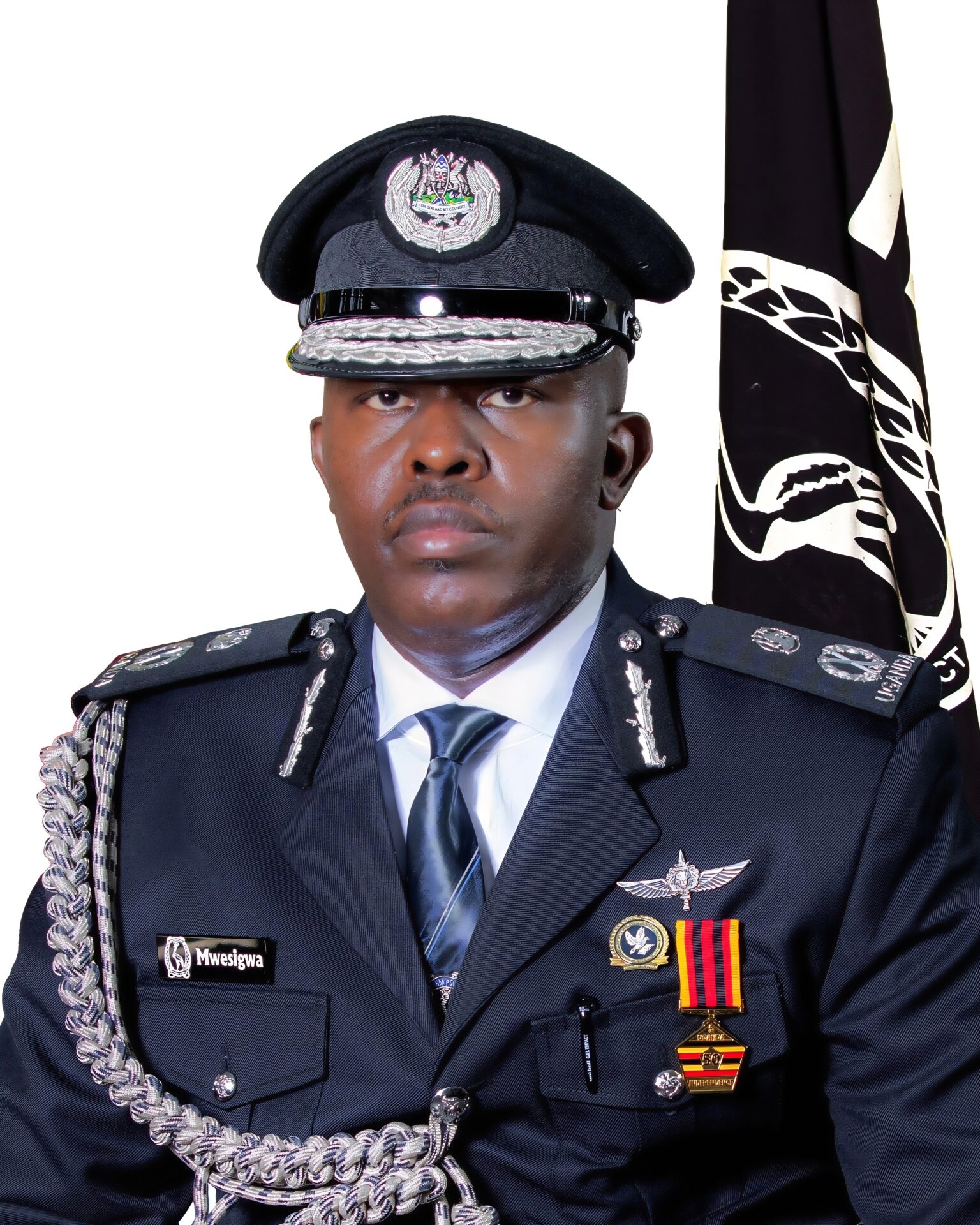
The Operational Command: The individual with direct operational command, the Inspector General of Police (IGP) Abbas Byakagaba, alongside the Director of Operations (AIGP Frank Mwesigwa) and the Commander of the heavily armed Field Force Unit (AIGP John Nuwagira), all hail from the same western Ugandan background. This places the physical coercive power of the state—the ability to permit or crush protests—in the hands of a demographically narrow group.
The Intelligence and Investigation Arm: Control over who is investigated and who is ignored rests with the Director of the Criminal Investigation Directorate (CID), AIGP Tom Magambo, and the Deputy Director of Crime Intelligence, SCP Charles Asaba, again from this same circle. This allows the regime to weaponise the law against opponents while shielding allies.
The Institutional Guardians: Crucially, positions that control the future of the force are also held within this group. The Chief Political Commissar (AIGP Ubaldo Bamunoba) ensures ideological conformity, while the Director of Human Resources (AIGP Jesse Kamunanwire) oversees promotions, postings, and recruitment. This guarantees the system’s self-perpetuation.
2. The Mechanics of Patronage and Control
This is not a passive outcome but an active strategy. The system functions on a logic of perceived loyalty, where trust is equated with tribal kinship. For Dictator Museveni, this creates a buffer of insiders who owe their positions and privileges directly to him, making them more likely to follow orders unquestionably, even when those orders contravene the law or human rights.
This creates a vicious cycle:
Loyalty Over Competence: An officer from a non-favoured tribe, no matter how brilliant or dedicated, will likely see their career stagnate, hitting an “ethnic glass ceiling.”
The Illusion of Merit: The regime often defends these appointments by citing the military or security background of these individuals. However, this ignores the fact that their initial advancement within the army or security apparatus was often based on the same pattern of tribal favouritism.
The Chilling Effect: For other officers, the message is clear: assimilation into the dominant group or demonstrating slavish loyalty to it is the only path to advancement. This stifles independent thought, critical analysis, and professional integrity, fostering a culture of sycophancy.
3. The Consequences: A Force Alienated from the People
The impact of this “closed shop” model is devastating for both the police force and the nation.
Erosion of Legitimacy: When the leadership of a national institution does not look like the nation it serves, it loses legitimacy. A citizen in Gulu or Mbale sees the police command as an alien entity, representing a distant, exclusive power rather than a local public service.
Operational Inefficiency: A force that does not promote based on merit is inherently weaker. It loses its best talent to disillusionment and fails to benefit from the diverse perspectives and problem-solving skills of a truly national cohort.
Fuel for National Disunity: This model actively fuels the very ethnic divisions that have plagued Uganda’s history. It tells the over 50 other tribes that they are second-class citizens in their own country, incapable of holding the highest offices of state security.

 In conclusion, the leadership roster of the Uganda Police Force is a meticulously curated list designed to consolidate power, not to dispense justice. It is the embodiment of a system where “who you know” trumps “what you know,” creating a protected class within the state. Until this closed shop is dismantled, and the doors are opened to all Ugandans on the basis of merit and equality, the police will remain a partisan militia in uniform, fundamentally incapable of earning the trust or serving the interests of the nation as a whole.
The Sound of Exclusion: Runyankore as the Lingua Franca of Power
In the bustling corridors of police headquarters in Naguru, a subtle but potent signal of power is transmitted not through official memos or rank insignia, but through language itself. The recurring reports that high-level strategic meetings within the Uganda Police Force are conducted in Runyankore—the native tongue of Dictator Yoweri Museveni and his western Ankole sub-region—is far more than a matter of linguistic preference. It is a masterclass in cultural exclusion and a deliberate mechanism to reinforce an insider-outsider dynamic that fundamentally corrupts the institution’s national character. As the adage goes, “When in Rome, do as the Romans do,” but in this case, the “Rome” of police command has been culturally relocated to a specific corner of Uganda, alienating all those who do not belong.
1. Language as a Tool of Inclusion and Exclusion
Language is not merely a vehicle for communication; it is a carrier of culture, identity, and belonging. In a diverse nation like Uganda, the use of the official languages—English for formal government business and Kiswahili as a proposed common language—is a constitutional and practical necessity for unity. These languages provide a neutral, level playing field where all ethnic groups can participate equally.

The deliberate use of Runyankore in official police meetings subverts this principle. It acts as:
A Litmus Test for Loyalty: Fluency in Runyankore becomes an unspoken requirement for being part of the inner circle. Those who understand it are privy to the real discussions, the nuances, and the informal decisions that may never be fully captured in the official English minutes. Those who do not are, by definition, outsiders.
A Symbol of Imperial Authority: It echoes the colonial practice, where the language of the ruler was imposed on the structures of governance. In this case, it is not a foreign power, but an internal one using language to assert dominance and create a cultural hierarchy within a national institution.
2. The Practical Consequences of Linguistic Marginalisation
The impact of this practice is both practical and profoundly psychological, creating a two-tiered system within the force.
Impaired Participation and Career Stagnation: A senior officer from the Iteso or Lugbara communities, who has dedicated their life to the force, may find themselves sitting in a critical strategy meeting unable to fully comprehend the discussion or contribute effectively. Their professional input is silenced not by a lack of expertise, but by a linguistic barrier artificially erected by their own superiors. This directly hinders their ability to influence policy and stunts their career progression.
Operational Inefficiency and Risk: Policing relies on the precise relay of information and strategic clarity. When key decisions are debated and understood in one language (Runyankore) and then later translated for official records or dissemination in English, there is a significant risk of miscommunication, loss of nuance, and operational error. This compromises not only internal efficiency but also public safety.
The Cementing of the “Old Boys’ Club”: The use of Runyankore fosters an environment where decisions are pre-cooked in informal, culturally exclusive settings. It creates a code that cannot be cracked by outsiders, ensuring that real power remains concentrated within a closed network. This reinforces the perception that the force is a “private club” where membership is determined by tribe, not merit.
3. The Psychological Wage of Tribalism
Beyond the practicalities, this linguistic favouritism inflicts a deep psychological wound on the institution’s morale.
Institutional Alienation: Officers from other regions are constantly reminded that they are guests in someone else’s house. They are made to feel like second-class members in their own profession, eroding their sense of belonging and commitment.
The Normalisation of Exclusion: Over time, this practice normalises bias. It sends a clear message to new recruits about the unspoken rules of success: to get ahead, one must either be from the “right” region or become a cultural appendage to it.
In conclusion, the use of Runyankore in police leadership meetings is a calculated political strategy, not a harmless cultural expression. It is the auditory embodiment of the regime’s tribal favouritism. While the proverb suggests adapting to one’s environment, the police leadership has turned this on its head, demanding that the environment of national governance adapts to their specific tribal identity. Until the language of command is returned to the neutral, official languages of the state, the Uganda Police Force will remain not a symbol of national unity, but a glaring monument to ethnic exclusion and partisan control.
The Architecture of Control: The Historical Roots of Tribal Patronage
To understand the current ethnic composition of Uganda’s police leadership, one must trace the blueprint back to its origins in 1986. When Yoweri Museveni’s National Resistance Army (NRA) seized power, it did so under the banner of ending sectarianism and the political tribalism that had plagued previous regimes. However, what has unfolded over nearly four decades is a masterclass in the very vice it purported to oppose. Dictator Museveni’s strategy of tribal patronage is not an accidental byproduct of his rule; it is its central, calculating engine. The adage, “He who pays the piper calls the tune,” is starkly applicable here. By systematically ensuring that the “pipers” of state security are recruited from his own community, Museveni has guaranteed that the tune played is always one of unwavering loyalty to his person, often at the direct expense of merit, national unity, and professional integrity.
1. The Genesis: From Revolutionary Army to Tribal Stronghold
The NRA’s initial makeup was relatively diverse, drawing support from across Uganda. However, following the capture of Kampala, a deliberate and quiet consolidation began. The core command structure of the NRA, and its successor the Uganda People’s Defence Force (UPDF), gradually became dominated by officers from the western region, particularly the Banyankole of the Ankole sub-region, Museveni’s own ethnic group.

This was a strategic calculation rooted in a classic authoritarian playbook:
The Primacy of Perceived Loyalty: In the volatile aftermath of a guerrilla war, trust is paramount. Museveni and his inner circle equated trust with tribal and familial kinship. Individuals from his community were perceived as inherently more reliable, their fates considered inextricably linked to his own.
Creating a Cordon Sanitaire: Placing loyalists from one’s own tribe commanding the military, police, and intelligence agencies creates a protective buffer. It insulates the ruler from coups and ensures that the instruments of coercion will be used to protect the regime above all else.
2. The Institutionalisation of a System
Over the years, this initial tactic evolved into a deeply entrenched system. It moved from being an informal preference to a formalised, though unwritten, policy of governance.
The Militarisation of Civilian Office: The appointment of military generals to key civilian oversight roles is a key feature of this system. Figures like Major General (rtd) Kahinda Otafiire as Minister of Internal Affairs and Major General David Muhoozi as State Minister exemplify this. Their primary allegiance is not to the civil service code, but to the military chain of command that culminates with Museveni.
The Security Sector as a Prestige Project: Prominent positions in the army, police, and intelligence were transformed into prestigious and lucrative rewards for loyalty. A commission in the security forces became a primary avenue for patronage, with access to state resources, business opportunities, and political influence. This created a powerful class whose privilege is directly tied to the regime’s survival.
The Systematic Side-lining of Merit: The consequence, repeated across institutions, is that brilliant officers from other regions—the Langi, Acholi, Baganda, Iteso, and many more—consistently found their careers hitting a proverbial “ethnic glass ceiling.” They could rise to mid-level ranks, but the strategic command positions were reserved for those from the designated inner circle. This has led to a significant “brain drain” and a deep-seated demoralisation within the ranks of security services.
3. The Legacy: A Partisan State
This historical strategy has produced the reality we see today. The Uganda Police Force is not an anomaly but a product of this decades-long project.
A Force for Regime Protection: The police’s primary mission has been skewed from maintaining law and order to ensure the political security of the incumbent dictator. Its response to public dissent, its management of elections, and its investigative priorities are all filtered through this lens of regime survival.
The Erosion of National Identity: By transforming national institutions into tribal fiefdoms, the regime has actively undermined the development of a cohesive Ugandan national identity. It has reinforced the very ethnic suspicions and divisions it once claimed it would abolish.
A Dangerous Precedent: This history demonstrates that the concentration of security power in the hands of one ethnic group is a recipe for long-term instability. It stores up a reservoir of grievance and alienation that can threaten the nation’s future.
In conclusion, the homogeneity of the police leadership is not a contemporary coincidence but the logical outcome of a deliberate, historically rooted strategy. Dictator Museveni, by ensuring “he who pays the piper calls the tune,” has composed a symphony of control where the melody of tribal loyalty consistently drowns out the discordant notes of meritocracy and national service. Until this historical blueprint is rejected, Uganda’s institutions will continue to serve a single individual and his inner circle, rather than the diverse nation they are meant to represent.
The Guardians Turned Gaolers: The Partisan Shift from Public Service to Regime Protection
A national police force’s fundamental covenant is with the law and the citizenry it serves. Its legitimacy is derived from its impartiality, its commitment to justice, and its role as a protector of public order and safety. In Uganda, however, this covenant has been systematically broken. The Uganda Police Force has undergone a profound and deliberate metamorphosis, shedding its duty to the public to become a dedicated apparatus for regime protection. Its primary function is no longer to uphold the statute book, but to safeguard the political survival of Dictator Yoweri Museveni. This perversion of purpose is akin to “a fox being put in charge of the henhouse,” where the very institution mandated for protection has become the greatest source of predation against those it is meant to serve.
1. The Legal Mandate Versus The Political Reality
On paper, the Uganda Police Force Act and the Constitution outline a clear, service-oriented mandate: to protect life and property, to prevent and detect crime, and to maintain public order and safety. This is a contract with every Ugandan, regardless of their political affiliation, tribe, or region.
The political reality, engineered over decades, is starkly different. The force has been reconfigured into the first line of defence for the ruling regime. This shift is not accidental, but is the direct result of the systemic tribal patronage and ideological capture previously discussed. When the leadership roster is a monolith of loyalists, the institution’s output inevitably reflects the priorities of its master, not its mission.2. The Mechanics of the Partisan Shift
This transition from public service to regime protection is operationalised through several key strategies:
The Pre-emptive Crushing of Dissent: The handling of public protests is the most visible evidence of this shift. Rather than facilitating the constitutional right to peaceful assembly, the police, and particularly, its specialised units like the Field Force Unit (FFU), are deployed to pre-emptively disrupt and violently crush any form of public dissent. The use of excessive force, live ammunition, arbitrary arrests, and torture of demonstrators is not an aberration; it is a tactical calculation to instil fear and demonstrate the cost of opposition.
The Weaponisation of the Law: The legal framework itself has been twisted into a tool of oppression. The police routinely invoke laws like the Public Order Management Act (now largely superseded but whose spirit persists) to deny permission for political gatherings deemed hostile to the regime. Opposition figures, civil society activists, and critical journalists often find themselves arrested on spurious charges, such as “inciting violence” or “common nuisance,” while pro-regime activities proceed unimpeded. This selective application of the law renders it a political weapon rather than a pillar of justice.
The Partisan Application of “Crime Intelligence”: The Directorate of Crime Intelligence, rather than focusing on national security threats like terrorism or organised crime, is often deployed to conduct surveillance on political opponents, human rights defenders, and anyone perceived as a threat to the regime. This intelligence is then used to harass, intimidate, and fabricate cases against them, ensuring that the machinery of the state is focused inward on silencing critics, not outward on combating crime.
From Investigators to Bodyguards: The role of the police during election periods crystallises this partisan shift. Instead of ensuring a secure environment for a free and fair electoral process, the force is deployed to protect the regime’s electoral machinery. This includes manning illegal roadblocks to suppress voter turnout in opposition strongholds, turning a blind eye to violence perpetrated by regime supporters, and actively arresting opposition agents. Their mission becomes the engineering of a pre-determined outcome, not the safeguarding of a democratic exercise.
3. The Consequences: A Force Without Legitimacy
The repercussions of this shift are catastrophic for both the police and society.
Total Erosion of Public Trust: When a citizen sees a police officer, they no longer see a protector but a potential persecutor. This severs the vital link between the public and the force, making community policing impossible and crippling the flow of information necessary to solve real crimes.
The Rise of Impunity: When the police are focused on political protection, common criminals operate with greater boldness. Furthermore, the impunity enjoyed by security officers who commit human rights abuses against civilians fosters a culture of lawlessness within the force itself.
The Hollowing of an Institution: The best and brightest officers, those who joined to serve their country, become demoralised and sidelined. The force is hollowed out, retaining those willing to be partisan enforcers and losing those who embody integrity and professional ethics.
In conclusion, the Uganda Police Force has been tragically transformed. It is no longer a public service but a privatised security detail for an increasingly authoritarian regime. The adage of “the fox guarding the henhouse” is a perfect allegory for this betrayal. The henhouse of the state has been entrusted to a force that now preys upon the very citizens—the political opposition, the critical journalist, the protesting student—it was built to protect. Until this fundamental perversion is reversed, the police will remain not a symbol of order, but the armed wing of a dictatorship, and true security will remain a distant dream for the Ugandan people.
The Instruments of Control: How Key Police Directorates Serve the Regime
Within the architecture of any state, security institutions are endowed with specific powers to maintain order and justice. However, in an authoritarian context, these same structures can be perverted into precise instruments of control. In Uganda, under the rule of Dictator Yoweri Museveni, key directorates within the Police Force have been systematically weaponised. Their technical mandates remain on paper, but their operational purpose has been radically altered to serve one primary objective: the preservation of the regime’s power. This strategic deployment of state machinery ensures that “absolute power corrupts absolutely,” as the very bodies meant to prevent the abuse of power become its most enthusiastic facilitators.

A detailed examination of three critical directorates reveals this blueprint for control.
1. Operations and The Field Force Unit (FFU): The Blunt Instrument
Heads: AIGP Frank Mwesigwa (Director of Operations) and AIGP John Nuwagira (Commander, FFU)
Official Mandate: To coordinate all police operations nationwide and to manage large-scale public order events, respectively.The Perversions of the Mandate as a Control Lever:
This directorate is the regime’s visible fist. While its stated purpose is to ensure public safety, its actual function is the pre-emptive and violent suppression of any form of dissent.
The Monopoly on Coercion: The FFU, a dedicated riot police unit, is equipped with tear gas, water cannons, rubber bullets, and live ammunition. Under the guise of “maintaining order,” it is routinely deployed not to protect peaceful protesters, but to disperse them with excessive force. Its operations are characterised by a pattern of brutality designed to instil fear and communicate the high cost of public assembly against the regime’s wishes.
Pre-emptive Arrests and “Preventive Action”: The Director of Operations has the authority to approve public gatherings. This power is consistently abused to deny permission to opposition groups, civil society organisations, and critics, while routinely granting it to pro-regime entities. Furthermore, the police frequently engage in “preventive arrests,” detaining individuals before a planned event, effectively criminalising intent and suspending the constitutional right to assembly.
Strategic Deployment: The deployment of these units is often politically calculated. A heavy presence is common in opposition strongholds and at universities—traditional hotbeds of dissent—to create a constant atmosphere of intimidation and surveillance.
2. The Criminal Investigations Directorate (CID) and Crime Intelligence: The Legal Weapon
Heads: AIGP Tom Magambo (Director, CID) and SCP Charles Asaba (Deputy Director, Crime Intelligence)
Official Mandate: To investigate crimes and bring offenders to justice, and to gather intelligence on criminal threats to national security.The Perversions of the Mandate as a Control Lever:
This arm of the police represents the regime’s ability to weaponise the law itself. It shifts the focus from fighting crime to manufacturing and managing political threats.
Investigative Bias and Political Harassment: The CID has the power to open, pursue, or close investigations. This discretion is used selectively to target the regime’s opponents. Prominent businesspeople, journalists, and political figures who fall out of favour often find themselves facing a sudden barrage of investigations for alleged corruption, fraud, or incitement to violence—charges that are often politically motivated and rarely result in credible convictions, but serve to tie up their resources and tarnish their reputations.
Intelligence as a Tool for Blackmail and Intimidation: Crime Intelligence’s vast surveillance capabilities are diverted from national security threats to the surveillance of civil society, political opponents, and even judges and civil servants. The information gathered is not used to prevent crime but to blackmail, intimidate, and build spurious legal cases. A critical journalist may find their private communications exposed; an activist may be followed and harassed—all tactics designed to silence dissent without the need for a public trial.
Shielding Allies: Conversely, these directorates are used to shield regime allies from accountability. Investigations into corruption or human rights abuses by powerful figures connected to the state are often delayed, obstructed, or closed indefinitely, creating a culture of impunity for the inner circle.
3. The Office of the Political Commissar: The Ideological Enforcer
Head: AIGP Ubaldo Bamunoba (Chief Political Commissar)
Official Mandate: To oversee the political education and welfare of the police force.The Perversions of the Mandate as a Control Lever:
This is perhaps the most explicitly partisan office, tasked with ensuring the force’s ideological fealty to the ruling party.
Indoctrination Over Education: The Political Commissar’s role is not to teach officers about constitutionalism or the rule of law. Instead, it is to indoctrinate them with the ideology of the National Resistance Movement (NRM) and to foster a cult of personality around Dictator Museveni. Through seminars, workshops, and internal communications, officers are taught that their primary loyalty is to the “Movement” and its principal leader, not to the constitution or the citizenry.
Policing the Police: This office acts as the internal thought police of the force. It identifies and sidelines officers deemed ideologically suspect or insufficiently loyal. This creates a chilling effect, where officers self-censor and perform loyalty to the regime to secure promotions or avoid punitive postings. It ensures that the partisan bias at the top is replicated and enforced at all levels of the institution.
In conclusion, these directorates are not dysfunctional; they are performing exactly as designed by the regime. They form an interlocking system of control: the Operations and FFU provide the brute force, the CID, and Intelligence provide the legal camouflage and intimidation, and the Political Commissar ensures the entire apparatus remains ideologically compliant.
 Together, they embody the corrupting nature of absolute power, transforming a public service into a private militia that exists not to serve the nation, but to keep a single dictator in power.
The Mirage of Merit: How Tribal Favouritism Trumps Talent
The official narrative surrounding appointments within Uganda’s state institutions, particularly the Police Force, is one of meritocracy—a system where the most competent, experienced, and qualified individuals rise to positions of leadership based on their abilities. Yet, a dispassionate examination of the facts reveals this to be a carefully maintained illusion. The reality is that a pervasive system of tribal favouritism consistently sidelines qualified officers from a vast majority of Uganda’s ethnic groups, leading to a debilitating “brain drain” and the systematic hollowing out of the institution’s talent. It is a clear case of trying to fit “a square peg in a round hole,” where the regime forces a system of tribal loyalty onto the rational requirements of professional policing, ensuring a poor fit and damaging the entire structure.
1. Deconstructing the Myth: The Façade of Competence
The regime of Dictator Yoweri Museveni often justifies the concentration of power within a specific ethnic cohort by citing the military and security backgrounds of the appointees. They are presented as “tested” and “trusted” individuals.
However, this argument collapses under scrutiny:
The Circular Logic of Loyalty: The very “experience” cited is often a product of the same system of patronage. An officer is given a series of promotions and postings based on loyalty, and this career path is then used retroactively as proof of their “merit.” It is a self-justifying cycle where the criteria for advancement are loyalty and tribal affiliation, which are then mislabelled as competence.
The Overlooked Pool of Talent: This narrative deliberately ignores the hundreds of highly qualified officers from other regions. Uganda boasts a wealth of talent—officers with advanced degrees in criminology, law, forensic science, and public administration from reputable institutions, both local and international. Yet, their career trajectories consistently plateau. A brilliant detective from the Teso region with a flawless record of solving complex cases will see their career stagnate, while a less accomplished officer from the favoured group is fast-tracked into a directorial position.
2. The Mechanics of Exclusion: The “Ethnic Glass Ceiling”
The sidelining of talent is not a passive process; it is actively enforced through several mechanisms:
The Loyalty Litmus Test: In a system where the ultimate qualification is perceived loyalty to the regime, professional competence becomes a secondary concern. Promotions boards and appointment committees are themselves dominated by the inner circle, ensuring that the “right” candidates are selected. An officer’s tribe often serves as a proxy for this loyalty, creating an impenetrable glass ceiling for those from the “wrong” ethnic background.
Strategic Postings to Sideline Critics: Competent but independent-minded officers from any tribe, including those from the west who are not part of the inner circle, are often posted to remote, non-strategic stations or given redundant portfolios. This is a deliberate tactic to waste their talent and ensure they have no influence over core police operations or policy.
Control of Human Resources: As previously noted, the Directorate of Human Resource Administration and Management is a key lever of control. When this directorate is led by an individual from the favoured group, it acts as the gatekeeper, ensuring that the pattern of promotions and appointments aligns with the regime’s tribal arithmetic, not a neutral assessment of performance.
3. The Consequences: Brain Drain and Institutional Decay
The cost of this illusory meritocracy is profound and damaging to the nation’s security.
The Silent Exodus of Talent (Brain Drain): Ambitious and capable officers do not remain idle forever. Many become profoundly demoralised, leading to early retirement, a quiet withdrawal of effort (“silent quitting”), or a departure from the force altogether to seek opportunities in the private security sector or abroad. This exodus of institutional knowledge and skill represents a catastrophic loss for the police force.
The Triumph of Sycophancy over Skill: When loyalty is valued over ability, the culture of the institution shifts. Officers learn that the path to success lies not in being an effective crime-fighter, but in being a visible sycophant. This erodes professionalism, encourages corruption, and creates a leadership class that is skilled at political manoeuvring but incompetent at policing.
Operational Inefficiency and Public Risk: The ultimate victim of this system is the ordinary Ugandan. A police force led by the less competent but well-connected is inherently less effective. It is slower to solve crimes, more prone to corruption, and less capable of managing complex security challenges. The public is left with a hollowed-out institution that cannot perform its most basic function: protecting the citizenry.
In conclusion, the notion of a merit-based Uganda Police Force is a carefully constructed mirage designed to legitimise a system of tribal patronage. The regime’s persistent effort to fit the “square peg” of tribal loyalty into the “round hole” of professional policing has resulted in a weakened, dysfunctional, and deeply partisan institution.
 By systematically sidelining the nation’s best talent in favour of a narrow ethnic elite, Dictator Museveni has not strengthened his grip on power; he has merely ensured that the institution meant to protect the state is being robbed of the very excellence it needs to survive and thrive in the long term.
A Broken Covenant: The Erosion of Public Trust in the Uganda Police Force
The relationship between a police service and the public it serves is foundational, built on a covenant of trust, mutual respect, and a shared commitment to safety and justice. In Uganda, this vital social contract has been systematically broken. For communities such as the Langi in the north or the Bagisu in the east, the national police force is no longer viewed as an impartial guardian of law and order, but as a partisan, biased entity. This perception is not born in a vacuum; it is the direct consequence of the force’s visible transformation into an instrument of tribal and political patronage under Dictator Yoweri Museveni. The resulting erosion of trust is not merely a public relations problem; it is a critical operational failure that cripples effective policing and fosters deep-seated resentment. As the adage goes, “you reap what you sow,” and the regime is now harvesting the bitter crop of suspicion and non-cooperation it has diligently cultivated.
1. The Roots of Distrust: From Protector to Persecutor
The perception of bias is rooted in observable, day-to-day realities:
The Face of the Force: When the leadership roster is overwhelmingly dominated by one ethnic group, the police cease to be a national institution according to others. A Langi citizen does not see their own reflection in the command structure; they see the face of a distant, exclusive power. This makes the force appear alien, an occupying structure rather than a public service.
Selective Enforcement of the Law: Communities witness a stark contrast in police action. A political demonstration in one region is met with violent dispersal, while a pro-regime gathering in another is facilitated and protected. A businessman from a non-favoured tribe may face relentless harassment and arbitrary arrests, while a connected individual from the ruling elite operates with impunity. This two-tiered system of justice signals that the law is not blind, but politically and ethnically sighted.
2. The Consequences: A Vicious Cycle of Ineffectiveness
The erosion of trust has tangible, damaging consequences for crime prevention and community safety:
The Withdrawal of Cooperation: Policing is inherently reliant on community intelligence. The successful investigation of crimes—from petty theft to complex murder cases—depends on witnesses coming forward and citizens sharing information. When communities like the Bagisu perceive the police as biased, this vital flow of information dries up. People become reluctant to report crimes, act as witnesses, or assist investigations, fearing that their information will be misused, ignored, or even passed on to the criminals themselves if they are connected to the regime.
The Rise of Vigilantism and Self-Help: As faith in the formal justice system wanes, communities may resort to informal mechanisms. This can manifest as mob justice, where suspected criminals are lynched by crowds, or the emergence of local vigilante groups. These actions, while born of desperation, further undermine the rule of law and create a more volatile and violent society.
The Legitimacy Deficit: A police force that lacks legitimacy cannot effectively maintain order. Its directives are less likely to be obeyed voluntarily, and its presence can itself become a source of tension rather than reassurance. This forces the police to rely increasingly on brute force to assert authority, further deepening the cycle of fear and resentment.
3. The Long-Term National Repercussions
This breakdown in trust transcends individual crimes and fosters a more profound societal malaise:
Festering Resentment: The consistent feeling of being policed by and for another group breeds a deep, intergenerational resentment. It reinforces historical ethnic grievances and undermines any sense of shared national citizenship. The police, instead of being a symbol of unity, become a daily reminder of marginalisation.
Impunity for the Connected: The reduction in community cooperation means that crimes committed by those under the regime’s protection are even less likely to be investigated or prosecuted. This entrenches a culture of impunity, where the powerful are untouchable, and the ordinary citizen is left without recourse.
In conclusion, the regime’s strategy of tribal favouritism within the police force has proven to be profoundly short-sighted. By sacrificing the trust of the many to secure the loyalty of the few, Dictator Museveni has crippled one of the state’s most critical institutions. The adage “you reap what you sow” is a perfect epitaph for this failed policy. The regime sowed the seeds of tribal division and partisan policing, and now it is reaping a harvest of public alienation, operational paralysis, and a deeply fractured society. Until the police force is restored to a truly national, representative, and impartial institution, it will continue to preside over a population that views it not with respect, but with justifiable suspicion and fear.
A Constitutional Betrayal: The Legal Vacuum of Tribal Favouritism
The supreme law of any nation stands as its moral and legal compass, designed to articulate the fundamental principles of governance and the rights of its citizens. Uganda’s 1995 Constitution is no exception, containing within its Bill of Rights robust guarantees of equality and freedom from discrimination. However, the deliberate tribal stacking of the Uganda Police Force’s leadership does not merely represent a political or ethical failure; it constitutes a direct and flagrant violation of the nation’s foundational legal document.
This systemic discrimination creates a chilling paradox, where the very institution mandated to uphold the law is itself operating in brazen defiance of it. The situation brings to mind the adage that “the law is a shield for the weak,” yet in Uganda, the constitution has been twisted into a weapon to entrench the power of the strong, leaving the majority of citizens without its protection.1. The Letter of the Law: Article 21 and its Protections
The framers of Uganda’s Constitution, perhaps mindful of the country’s turbulent history of sectarian strife, were explicit in their condemnation of discrimination. The relevant legal provisions are clear and unambiguous:
Article 21(1): “All persons are equal before and under the law in all spheres of political, economic, social and cultural life and in every other respect and shall enjoy equal protection of the law.”
Article 21(2): “Without prejudice to clause (1) of this article, a person shall not be discriminated against on the ground of sex, race, colour, ethnic origin, tribe, birth, creed or religion, social or economic standing, political opinion or disability.”
The term “tribe” is explicitly listed as a prohibited ground for discrimination. This means that the state and all its organs, including the Police Force, are legally bound to ensure that opportunities for appointment, promotion, and deployment are based on merit and fair competition, not ethnic origin.
2. The Violation in Practice: Tribal Stacking as State-Sanctioned Discrimination
The regime of Dictator Yoweri Museveni, through its control of appointments, is engaging in what constitutes institutionalised discrimination. The evidence lies in the stark demographic reality of the police leadership:
Breach of Equality Before the Law: A competent and dedicated officer from the Iteso or Lugbara community is not “equal before the law” in terms of career advancement when compared to a less-qualified officer from the favoured western region. Their ethnic origin acts as an immovable barrier, a clear violation of Article 21(1).
Direct Discrimination on the Ground of Tribe: The overwhelming dominance of a single ethnic group in the upper echelons of the police is not a statistical anomaly. It is the outcome of a deliberate policy that disadvantages individuals from the other 55 tribes. When qualified candidates from the Baganda, Acholi, Langi, and many other groups are systematically overlooked, it is a textbook case of discrimination as defined by Article 21(2).
This practice also violates the spirit of national integration and public trust that is meant to underpin the public service, as outlined in the Constitution’s National Objectives and Directive Principles of State Policy.
3. The Façade of Legality and the Culture of Impunity
The regime’s ability to sustain this constitutional violation rests on two pillars: the manipulation of legal processes and a cultivated culture of impunity.
The Absence of Redress: While the Constitution provides for judicial redress for rights violations, the very independence of the judiciary has been compromised over time. A police officer who attempts to challenge their discriminatory treatment in court faces a daunting, expensive, and often futile battle against a state apparatus that controls the levers of justice. Furthermore, the perpetrators of this discrimination—the political appointees who make these decisions—are shielded from accountability.
The Weaponisation of Other Laws: The regime often uses other legal justifications to mask its tribal favouritism. It may invoke “national security” or the need for “operational efficiency” to defend controversial appointments, knowing that these are opaque concepts difficult to challenge in a compromised legal environment. This creates a façade of legality where unconstitutional actions are dressed in the language of state necessity.
In conclusion, the tribal composition of the police leadership is not just a political grievance; it is an active and ongoing constitutional crime. The adage that “the law is a shield for the weak” is rendered meaningless when the guardians of that law are appointed through a process that shatters the shield they are sworn to uphold. By violating its own supreme law, the regime of Dictator Museveni demonstrates that its commitment is not to the principles of justice and equality, but to the raw calculus of power preservation. Until this constitutional betrayal is addressed, and the police force is rebuilt on the foundation of non-discrimination and merit, the Ugandan Constitution will remain, for most of its citizens, a document of lofty promises and hollow guarantees.
The Mirage of Merit: Dismantling the Justification for Tribal Patronage
In defending the glaring ethnic imbalance within the Uganda Police Force’s leadership, a common counterargument is put forth: that these appointments are based solely on merit, experience, and a requisite loyalty to the state. Proponents of this view argue that the over-representation of a single ethnic group is merely a reflection of a concentration of competence and unwavering commitment to national security. However, this argument collapses under the weight of empirical evidence and logical scrutiny. It is a façade that attempts to dress up systemic tribal favouritism in the respectable language of meritocracy.
The adage, “the numbers don’t lie,” is particularly apt here, as the statistical reality and documented patterns of exclusion expose this justification as a politically convenient fiction.1. The Statistical Implausibility of Coincidental Concentration
The first and most powerful refutation lies in the sheer demographics of Uganda.
A Nation of 56 Tribes: Uganda is a nation of immense diversity, with 56 constitutionally recognised indigenous communities, each producing talented, educated, and capable individuals. The probability that the most qualified candidates for every single key strategic command position—from operations and intelligence to human resources and legal affairs—consistently and overwhelmingly hail from one specific ethnic group is statistically negligible.
The Contradiction of a National Pool: The police force draws its rank and file from across the entire country. It is illogical to suggest that the pool of merit suddenly and dramatically shrinks to a single ethnic catchment area at the very top. This defies the basic principles of probability and suggests that the selection criteria change at a certain level of seniority, shifting from professional competence to tribal and political allegiance.
2. The Conflation of Loyalty to the State with Loyalty to the Regime
The argument often deliberately conflates “loyalty to the state” with “loyalty to the incumbent dictator.”
A Strategic Obfuscation: True loyalty to the state would mean fidelity to the Constitution, the rule of law, and the service of all Ugandan citizens equally. However, the observed behaviour of the police leadership—such as the violent suppression of legitimate dissent and the partisan application of the law—demonstrates a distinctly partisan loyalty. It is loyalty to the preservation of Dictator Yoweri Museveni’s power structure.
Tribe as a Proxy for Trust: In this context, “loyalty” is not assessed through a neutral evaluation of patriotism, but through the proxy of tribal affiliation. Individuals from the ruler’s own community are presumed to be more loyal, as their fates are considered inextricably linked to his. This pre-emptive exclusion of other groups based on ethnicity is the very definition of discrimination, not a rational security assessment.
3. Documented Evidence of Sidelined Talent
Beyond the statistics, there is substantial anecdotal and documented evidence of competent officers being systematically bypassed.
The “Ethnic Glass Ceiling”: Countless stories abound of distinguished officers from regions like Buganda, Teso, Acholi, and Lango who have exemplary records in combating crime, managing complex investigations, or demonstrating exceptional leadership, yet whose careers inexplicably stagnate at the rank of Commissioner or below. They watch as less accomplished colleagues from the favoured region are promoted over them into the coveted ranks of Assistant Inspector General (AIGP) and beyond.
Strategic Side-lining: Officers who are perceived as too independent or professionally rigorous are often posted to remote or administrative roles far from the centres of power and influence. This is not the treatment of valued, meritorious assets; it is the containment of talent that does not fit the political mould.
In conclusion, the claim of merit-based appointments is a necessary myth for the regime—a narrative designed to lend legitimacy to an otherwise indefensible system of tribal patronage. The numbers don’t lie: the disproportionate representation is not an accident, and the documented cases of sidelined officers are not anomalies. They are the predictable outcomes of a system where the ultimate “merit” is belonging to the correct ethnic group and demonstrating fealty to a single individual. To accept the meritocracy argument is to ignore the overwhelming evidence that reveals a calculated strategy to consolidate power, one that has fundamentally corrupted the professionalism and national character of the Uganda Police Force.
The Price of Patronage: The Economic and Operational Toll of Tribal Favouritism
A police force is a significant public investment, funded by taxpayer money to deliver a critical service: security. However, when promotions and appointments are based on tribal allegiance rather than professional skill, the entire institution becomes a drain on the national treasury and a liability to public safety. The system of tribal patronage enforced by Dictator Yoweri Museveni does not merely represent a moral failure; it imposes severe economic and operational expenses that hamstring the force and endanger the citizenry. This approach is a textbook example of being “penny wise and pound foolish,” where the regime prioritises short-term political loyalty, only to incur massive long-term costs in inefficiency, corruption, and institutional collapse.
1. The Economic Costs: The Waste of Public Funds
A police force run on patronage is an inherently wasteful one, squandering scarce public resources in several key ways:
The Cost of Incompetence: Placing individuals in command positions based on tribe rather than capability leads to poor decision-making and mismanagement. An unqualified Director of Operations may make costly logistical errors, while an incompetent head of procurement might acquire unfit vehicles, outdated equipment, or insufficient uniforms. These poor decisions lead to massive financial losses as assets degrade rapidly or fail to serve their purpose, requiring frequent, costly replacements.
The Corruption Tax: In a system where loyalty is the primary currency, corruption becomes endemic. Senior appointments are often seen as an opportunity to recoup the “investment” made in securing patronage and to accumulate wealth. This manifests in:
Procurement Scandals: Inflated contracts for goods and services, from police uniforms to station construction, where kickbacks are factored into the price.
Systemic Extortion: The police force becomes a nationwide collection agency, where bribes are demanded for everything from filing a basic crime report to securing the release of impounded property. This robs the public directly and diverts officers from their actual duties.
Ghost Workers: Payrolls padded with non-existent officers, whose salaries are collected by those in the chain of command, is a common form of embezzlement that thrives in a non-meritocratic system.
Inefficient Resource Allocation: Resources are not deployed based on crime data or operational need, but on political considerations. A station in a region loyal to the regime may receive a disproportionate share of new vehicles and funding, while a high-crime area in an opposition region is neglected. This misallocation ensures that resources are not used to achieve the best possible security outcomes for the nation.
2. The Operational Costs: A Hollowed-Out and Ineffective Force
The financial waste is compounded by a catastrophic decline in operational effectiveness, with direct consequences for public safety.
Poor Crime-Solving Rates: When detectives and investigators are promoted due to connections rather than investigative acumen, the ability to solve complex crimes plummets. Evidence is mishandled, cases are poorly built, and prosecutions fail. This collapse of detective work emboldens criminals and leaves victims without justice, effectively creating a state of impunity.
Low Morale and the “Brain Drain”: As previously established, competent officers from excluded tribes are sidelined. The most talented and professional either leave the force in frustration (“brain drain”) or disengage, performing their duties with minimal effort. This creates a force where the least capable are in charge, and the most capable are demoralised or absent—a recipe for operational failure.
Lack of Public Cooperation: The economic corruption detailed above destroys public trust. When citizens view the police as a corrupt, partisan institution, they refuse to cooperate. They withhold vital intelligence, do not report crimes, and are unwilling to testify as witnesses. Without this crucial partnership, even a well-funded and skilled police force would struggle; for one already crippled by incompetence, it is a death knell for effectiveness.
Increased Security Threats: A police force focused on political control is distracted from its core security mandate. Transnational crime, cybercrime, terrorism, and organised criminal networks can flourish because the intelligence and operational focus of the leadership is directed inwards at political opponents, rather than outwards at genuine national security threats.
In conclusion, the tribal favouritism in the Uganda Police Force is an economic and operational catastrophe. The regime, in its shortsightedness, is “penny wise and pound foolish,” believing it is saving itself by buying loyalty through patronage.
In reality, it is incurring enormous costs: the waste of billions of shillings in public funds, the collapse of effective policing, and the erosion of national security. The ultimate price is paid not by the regime, but by the ordinary Ugandan taxpayer who funds this failing system and then suffers the consequences of a police force that is too corrupt, too incompetent, and too partisan to keep them safe.The Machinery of Brutality: Partisan Policing and Systemic Human Rights Abuses
When a police force abandons its mandate to serve the public and is reconfigured into a partisan guard for a ruling regime, the consequence is not merely political bias, but a systematic erosion of fundamental human rights. The Uganda Police Force, under the command structure loyal to Dictator Yoweri Museveni, has become a primary instrument of state-sponsored violence, designed to crush dissent and instil fear. This transformation has led to a well-documented pattern of brutal crackdowns, where the security forces operate with a sense of total impunity. The situation tragically illustrates the adage that “absolute power corrupts absolutely,” as the state’s monopoly on violence is relentlessly turned against its citizens, with the police acting as both judge and executioner on the streets.
1. The Partisan Foundation of Violence
The human rights abuses committed by the police are not random acts of brutality by rogue officers; they are the logical outcome of a partisan institutional culture.
The Ideological Mandate: As explored with the role of the Political Commissar, the force is indoctrinated to view the ruling regime as synonymous with the state. Consequently, any opposition or dissent is framed not as a legitimate political activity, but as an existential threat to “stability” and “security.” This reframing justifies, in the minds of the operatives, the use of extreme violence to neutralise the perceived threat.
A Culture of Impunity: Officers know that their actions, no matter how brutal, will not be punished as long as they are committed in the interest of regime protection. The command structure, from the Director of Operations to the Commander of the Field Force Unit (FFU), is complicit. Investigations into police killings are rare, transparent inquiries are non-existent, and prosecutions are virtually unheard of. This sends a clear message that there are no legal consequences for violence against the regime’s opponents.
2. Case in Point: The 2020 Protests – A Blueprint for Repression
The events surrounding the protests of November 2020 serve as a chillingly clear example of this machinery in action.
The Catalyst and the Response: The protests, which were triggered by a political arrest, were a spontaneous outpouring of public frustration. Instead of managing the crowds through established public order protocols, the police and allied security forces were unleashed in a disproportionate and lethal crackdown.
The Methodology of Violence: Security forces, including the FFU and military police, employed live ammunition, targeted shootings, and excessive force against unarmed protesters and bystanders. Independent reports, including those from international human rights organisations, documented over 50 deaths, with many victims shot in the head and chest, indicating a shoot-to-kill policy. Thousands more were arbitrarily arrested and subjected to brutal detention conditions.
The Aftermath: Justice Denied: In the wake of the killings, the state promised investigations that never materialised. No security operative has been held accountable for the lives lost. The government’s response was to blame the victims, alleging that the protesters were violent. This complete absence of accountability cemented the perception that the state security apparatus can kill with licence.
3. The Broader Pattern of Abuse
The 2020 protests are not an isolated incident but a symptom of a sustained strategy. This pattern includes:
Enforced Disappearances and Torture: Security agencies, often working in concert with the police, have been repeatedly accused of abducting citizens, particularly those engaged in political activism or criticism. These individuals are often held in unofficial detention centres, where they are subjected to torture and ill-treatment, before being released without charge or produced in court after weeks of incommunicado detention.
The Criminalisation of Assembly: The routine and violent dispersal of any public gathering not sanctioned by the state—from opposition consultations to community meetings—has become standard procedure. The police use tear gas, beatings, and arbitrary arrests to silence any form of collective expression, violating the constitutional rights to assembly and association.
In conclusion, the human rights abuses perpetrated by the Uganda Police Force are a direct and predictable result of its partisan capture. The regime of Dictator Museveni, in its quest for absolute power, has corrupted absolutely the institution meant to protect the people. The force has been morally and operationally deformed into a blunt instrument of terror. The killings, torture, and disappearances are not a failure of the system; they are its intended function.
Until the police are depoliticised and returned to their constitutional mandate, the Ugandan people will continue to live in a state where their protectors are their most feared persecutors, and the right to life and dignity is contingent upon silent acquiescence to unlimited power.A Tarnished Shield: International Condemnation and Uganda’s Eroding Global Stature
The conduct of a nation’s security forces does not occur in a vacuum; it is scrutinised on the global stage, where it shapes international reputation, diplomatic relations, and economic partnerships. For Uganda, the partisan and brutal tactics of the police force have drawn sustained and severe criticism from the world’s most respected human rights organisations and diplomatic bodies. This external verdict is not merely a public relations nuisance; it is a formal indictment that damages the country’s credibility and standing. As the adage goes, “a reputation once broken may be repaired, but the world will always keep their eyes on the spot where the crack was.” The relentless documentation of abuse by groups like Human Rights Watch and Amnesty International has created such a crack in Uganda’s international façade, one that the regime’s propaganda cannot convincingly mend.
1. The Unbiased Arbiters: Documenting the Evidence
International organisations operate with a methodology that lends their reports significant credibility. They are not domestic political opponents with vested interests, but impartial bodies focused on universal human rights standards.
Human Rights Watch and Amnesty International: These organisations have published extensive reports detailing a pattern of systematic human rights violations by Ugandan security forces. Their findings are based on rigorous field research, including victim testimonies, medical reports, satellite imagery, and cross-referenced accounts. Their criticisms focus on:
Excessive Use of Force: Documenting the use of live ammunition, torture, and other lethal methods against unarmed protesters and detainees.
Arbitrary Arrests and Detentions: Highlighting the practice of abductions and illegal detention without trial, often in undisclosed locations.
Lack of Impartiality: Providing evidence that these abuses are disproportionately directed at political opponents, civil society activists, and critical voices, while pro-regime actors enjoy impunity.
2. The Legal and Diplomatic Repercussions
This international condemnation translates into tangible consequences that go beyond harsh words.
A Damning Legal Precedent: The consistent documentation creates an international legal record. This evidence can be used in proceedings at regional bodies like the African Court on Human and Peoples’ Rights and international forums, potentially leading to rulings against the Ugandan state. It also builds a case for potential targeted sanctions against individual perpetrators under mechanisms like the Global Magnitsky Act, which would see them banned from travelling or accessing assets in key Western nations.
Diplomatic Isolation and Pressure: Uganda’s actions are regularly condemned in diplomatic statements from foreign missions, including those of the European Union, the United Kingdom, and the United States. While often couched in diplomatic language, these statements signal a deep disapproval that can affect bilateral relations, leading to reduced high-level engagement and a relegation of Uganda to the status of a problematic partner.
The Strain on Development and Security Partnerships: Many Western nations provide significant development aid and security sector support to Uganda. The documented human rights abuses perpetrated by the police and military create a major point of tension. Donor governments face pressure from their own parliaments and citizens to justify funding institutions implicated in systemic brutality. This can lead to the conditioning, reduction, or withdrawal of aid, directly impacting the regime’s resources.
3. The Economic and Soft Power Costs
The damage extends to Uganda’s economic interests and its “soft power”—its ability to influence and attract.
Investor Perception: A country known for police brutality and institutionalised injustice is perceived as a high-risk environment. The capricious rule of law and the potential for political instability deter serious long-term investment. Businesses fear that their operations could be disrupted by unrest or that they could become targets of extortion by a corrupt and unaccountable security apparatus.
A Diminished Voice: Uganda, once a respected voice in regional affairs, sees its moral authority eroded. How can it credibly advocate for peace and democracy in the Great Lakes region when its police force is internationally recognised as a tool of oppression? Its ability to lead on the continental stage is severely compromised by its domestic record.
In conclusion, the international condemnation of the Uganda Police Force is a direct consequence of the regime’s choice to prioritise partisan control over professional policing. The world has taken note of the crack in the nation’s reputation, and as the adage warns, “The world will always keep their eyes on the spot where the crack was.” The reports from Human Rights Watch and Amnesty International are not merely documents; they are a lasting stain on the country’s international standing.
They represent a cost that Dictator Museveni’s regime has been willing to incur, trading Uganda’s global credibility for the short-term security of his own power. Until the police force is reformed to uphold the rule of law rather than violate it, Uganda will continue to be viewed not as a responsible international partner, but as a nation where the guardians of peace have become the agents of terror.A Systemic Rot: Tribal Patronage Across Uganda’s Governing Institutions
The pronounced ethnic imbalance within the Uganda Police Force is not an isolated anomaly but a single symptom of a far deeper and more pervasive disease within the body politic. A clear-eyed examination reveals that the military and the broader civil service exhibit strikingly similar patterns of tribal favouritism, confirming that this is a deliberate, system-wide strategy of governance employed by Dictator Yoweri Museveni. However, while the rot is universal, its most acutely damaging effects are felt through the police. The nature of the police’s work—its constant, direct, and often coercive interaction with the citizenry—makes its partisan bias uniquely visible and corrosive to the social fabric. The adage, “a fish rots from the head down,” is profoundly apt; the corruption of the entire system originates from the leadership, but it is the police, as the most public-facing institution, that exposes the decay to the populace daily.
1. The Pattern Replicated: Military and Civil Service
The blueprint of tribal stacking is consistently applied across the key pillars of the state.
The Uganda People’s Defence Forces (UPDF): The command structure of the military, the ultimate guarantor of the regime’s security, is even more tightly controlled than that of the police. The highest echelons are dominated by officers from Dictator Museveni’s western region, particularly from his own ethnic group. Key divisions, such as the Special Forces Command (SFC), are under the command of individuals with close familial or long-standing tribal ties to the ruler. This ensures that the guns of the state are in the hands of those deemed most loyal, creating a praetorian guard insulated from the rest of the nation.
The Civil Service: While perhaps less monolithic than the security organs, the upper management of critical ministries and government agencies often reveals the same pattern. Strategic ministries controlling finance, security, and natural resources frequently see leadership roles filled by individuals from the favoured ethnic cohort. This ensures that the vast resources of the state—contracts, licences, and development funds—can be directed in a manner that reinforces patronage networks and rewards loyalty over competence.
2. The Police: The Sharp and Visible Edge of the System
While the military’s bias is often hidden in barracks and the civil service’s in boardrooms, the police’s partiality is performed in public view, making its consequences more immediate and damaging.
The Ubiquity of Police Interaction: An ordinary citizen may never meet a general or a permanent secretary. But they will inevitably encounter a police officer—at a checkpoint, when reporting a crime, or during a public event. The police are the “face of the state” for most Ugandans. When that face consistently belongs to one tribe and acts with overt partiality, it personalises and concretises the abstract concept of systemic discrimination.
The Coercive Nature of the Role: Unlike a civil servant who might delay a permit, a police officer has the power to arrest, detain, injure, or even kill. The weaponisation of this coercive power for political and tribal ends creates a climate of tangible fear and oppression. The bias is not just an administrative inconvenience; it is a direct threat to life, liberty, and security.
The Erosion of Everyday Trust: The military is deployed in exceptional circumstances, but the police are meant to be part of the daily community fabric. Their role in community policing and crime prevention relies on a bedrock of public trust. When this trust is shattered by visible tribalism, it breaks the essential link between the people and the law, leading to non-cooperation, vigilantism, and a fundamental breakdown of localised security. A biased army creates a sense of occupation; a biased police force creates a sense of lawless injustice in everyday life.
3. The Common Source and Its National Cost
This systemic issue confirms that the problem is not a few bad appointments, but a calculated strategy emanating from the very top. “A fish rots from the head down,” and the head of the Ugandan state has institutionalised a politics of exclusion that now permeates its institutions.
The cost of this system-wide rot is the steady erosion of a unified Ugandan national identity. It tells citizens from over 50 tribes that the state is not theirs, that its highest offices and most powerful instruments are the private property of a select few. While the military’s homogeneity threatens constitutional order, and the civil service’s bias undermines development, the police’s visible partiality destroys the day-to-day relationship between the citizen and the state.
 In conclusion, the Uganda Police Force is the most glaring and damaging manifestation of a nationwide crisis of governance. It is the sharp, public-facing edge of a blunted and corrupted system. Until the rot at the head is addressed, every institution will continue to decay, but it is the police, by virtue of its intimate and coercive contact with the people, that most vividly demonstrates the tragic cost of building a state not for the nation, but for a tribe.
The Illusion of Inclusion: Tokenism as a Political Smokescreen
In the face of mounting criticism over the blatant ethnic monopolisation of Uganda’s security apparatus, the regime of Dictator Yoweri Museveni has developed a sophisticated defence mechanism: tokenism. This is the strategic practice of making a perfunctory or symbolic gesture towards inclusion by appointing a few individuals from underrepresented groups to minor or high-visibility-but-low-power positions. While a few officers from other tribes, such as Commissioner of Police (CP) Dinah Kyasimiire, may be seen in the organisational chart, their roles are largely devoid of the influence wielded by the inner circle. These appointments serve as mere window dressing, a carefully crafted illusion designed to deflect accusations of tribalism and create a plausible deniability that the system is inclusive. This cynical manoeuvre is a classic example of a “white elephant”—a possession that is useless, burdensome, and maintained merely for prestige or, in this case, for political theatre.
1. The Anatomy of a Token Appointment
Understanding tokenism requires looking beyond the job title to the actual power dynamics.
The Influence Vacuum: An officer’s real power is not determined by their rank alone, but by their control over budgets, strategic deployments, and key operational decisions. While an officer like CP Dinah Kyasimiire (Director for Human Rights and Legal Services) holds a respectable rank, her directorate is often sidelined in crucial matters. The real power over police actions that leads to human rights abuses resides with the Director of Operations, the Commander of the FFU, and the Chief Political Commissar—all posts consistently held by individuals from the favoured ethnic group. Her position, while important on paper, can be easily ignored or overruled, rendering it a symbolic rather than a substantive check on power.
The Absence from Command Streams: Token appointees are conspicuously absent from the core command-and-control structures. They do not sit on the powerful Police Advisory Committee or other inner sanctums where real strategy—such as the management of political dissent or the allocation of sensitive resources—is formulated. Their inclusion is for public relations, not for decision-making.
2. The Strategic Purpose: Deflection and Demobilisation
Tokenism is not an oversight; it is a deliberate political strategy with clear objectives.
Deflecting Criticism: When confronted with evidence of tribal imbalance, regime apologists can point to these token figures as “proof” of diversity. They can claim, “How can we be tribal? Look, we have a CP from another region heading a directorate.” This tactic is used to muddy the waters and provide a facile rebuttal to what is a systemic problem.
Demobilising Grievance: By creating a handful of “success stories,” the regime attempts to pacify broader ethnic grievances. It sends a message to other communities that the path to success is not through challenging the system, but through seeking individual patronage within it. It fractures collective discontent by offering the illusion that individual advancement is possible, thereby preventing a unified front against the systemic exclusion.
Creating a Façade of Modernity: To international partners and donors, these appointments are presented as evidence of a commitment to inclusivity and gender equality (in the case of female officers). This façade is designed to maintain a veneer of legitimacy and to shield the regime from more intense external pressure and potential sanctions.
3. The Damaging Consequences
Far from being a harmless public relations exercise, tokenism is deeply damaging.
It Undermines Genuine Meritocracy: The most competent officers from non-favoured tribes are often not the ones selected for these token roles. Instead, the regime may select individuals whose primary qualification is perceived pliability, ensuring they will not use their platform to challenge the status quo. This doubly insults the sidelined communities: first by excluding them, and second by promoting unrepresentative figures from their midst.
It Devalues Real Achievement: For the officers in these positions, their accomplishments are always viewed with suspicion. Their hard work and qualifications are overshadowed by the widespread public perception that they are merely “window dressing,” a perception fostered by the regime’s own actions. This creates an impossible working environment and devalues any genuine contributions they make.
It Deepens Cynicism: The Ugandan public is not easily fooled. The transparent nature of this tokenism breeds further cynicism and erodes trust not just in the police, but in all state institutions. People see the symbolic gesture for what it is—a calculated lie—which deepens their alienation from the state.
In conclusion, the presence of a few officers from other tribes in lower or less influential positions is not a sign of progress, but a key component of the regime’s strategy of exclusion. These roles are the political equivalent of a “white elephant”—costly to maintain in terms of credibility, useless for bringing about genuine reform, and kept only for the illusion of prestige they provide. It is a sophisticated form of political deception designed to conceal the fact that the Uganda Police Force remains a closed shop, where real power is a birthright reserved for a select few, and the appearance of inclusion is just another tool to keep the dictator in power.
The Corroded Core: How Tribal Favouritism Demoralises and Degrades the Uganda Police Force
The health of any professional institution is measured not only by its output but by the morale and integrity of its personnel. Within the Uganda Police Force, the systemic policy of tribal patronage has inflicted a deep and festering wound on officer morale, creating a environment where talent is stifled and sycophancy is cultivated. For the vast majority of officers who do not belong to the favoured ethnic group, career progression is abruptly halted by an unyielding “ethnic glass ceiling.” This systemic discrimination breeds profound disillusionment, while simultaneously rewarding unthinking loyalty over professional competence. The regime of Dictator Yoweri Museveni operates on the cynical belief that “you can’t make an omelette without breaking eggs,” willingly sacrificing the professionalism and morale of the entire police force—the “eggs”—in pursuit of the “omelette” of absolute political control. The result is a broken, dispirited, and increasingly unprofessional institution.
1. The Demoralising Effect of the Ethnic Glass Ceiling
The “ethnic glass ceiling” is an invisible but impenetrable barrier that ensures officers from non-favoured tribes can only rise to a certain level, regardless of their dedication, skill, or performance.
The Futility of Excellence: An officer from the Iteso or Langi community may invest years in professional development, earn advanced degrees in criminology or law, and build an impeccable record of solving complex cases. Yet, they will inevitably witness less competent, less experienced colleagues from the ruling ethnic cohort being promoted over them into strategic command positions. This renders their hard work and merit meaningless, fostering a sense of profound futility and betrayal.
Psychological and Professional Stagnation: This enforced career stagnation leads to apathy, resentment, and a withdrawal of discretionary effort. Why risk one’s life in the line of duty, or work late to crack a difficult case, when the reward structure is not based on achievement but on ancestry? This leads to a silent withdrawal, where officers do the bare minimum required, severely compromising the force’s overall effectiveness and proactive capability.
The Internal Brain Drain: The most talented and ambitious officers from excluded groups, recognising the futility of their situation, often seek an exit. They may take early retirement, resign to join the private security sector, or disengage entirely while remaining on the payroll. This exodus of competence and initiative—an internal brain drain—hollows out the institution from within, leaving behind those who are either complacent or without better options.
2. The Reward of Sycophancy and the Death of Professionalism
In a system where tribal affiliation is the primary currency for advancement, professional integrity becomes a liability. The surest path to promotion is not through effective policing, but through demonstrating unswerving personal loyalty to the regime and its favoured officers.
The Culture of “Yes-Men”: Officers learn that questioning flawed operational plans or pointing out ethical breaches is discouraged and can be career-ending. Instead, success lies in agreeing with superiors, flattering their decisions, and prioritising their political comfort over operational truth. This creates a leadership class of sycophants who are skilled in political manoeuvring but incompetent in police work.
The Erosion of Institutional Integrity: When promotions are based on loyalty rather than merit, the very definition of a “good officer” is corrupted. A good officer is no longer one who upholds the law and serves the community, but one who reliably serves the interests of the ruling clique. This erodes the ethical foundation of the force, normalises corruption, and discourages the principled leadership necessary for any security institution to function effectively.
Operational Incompetence: A command structure filled with sycophants is incapable of sound decision-making. Lacking genuine expertise and afraid to deliver bad news, they make poor strategic choices, mismanage resources, and fail to adapt to evolving security threats. The rank-and-file officers lose respect for such leaders, further widening the chasm between command and frontline personnel.
In conclusion, the impact of tribal favouritism on police morale is catastrophic and deliberate. The regime’s ruthless calculus—that “you can’t make an omelette without breaking eggs”—has shattered the professional spirit of the force. By breaking the morale of competent officers and rewarding the sycophancy of the loyal, Dictator Museveni has prioritised his political security over national security. He has created a police force that is, at its core, demoralised, cynical, and unprofessional—an institution that may still be able to suppress political dissent through brute force, but is fundamentally incapable of the sophisticated, trust-based policing required to ensure the genuine safety and security of the Ugandan people. The broken eggs are the careers and professional ethics of thousands of officers; the omelette is a brittle dictatorship, vulnerable to its own internal rot.
The Cycle of Exclusion: Uganda’s Unlearned Historical Lesson
A nation’s history is meant to serve as both a foundation and a cautionary tale, providing lessons that guide its future away from the pitfalls of the past. For Uganda, the politicisation of ethnicity within state institutions is a tragically recurrent theme, a destructive cycle that each new regime promises to break, only to perpetuate it. The current system of tribal patronage under Dictator Yoweri Museveni, which favours the Runyankore-speaking western elite, bears a striking and disheartening resemblance to the favouritism shown by former dictator Idi Amin towards his Kakwa kin and fellow West Nile communities. This repetition of a failed model of governance suggests that Uganda is trapped in a historical loop, failing to heed its own painful experiences.
The adage, “those who cannot remember the past are condemned to repeat it,” rings with a sobering truth; by ignoring the instability sown by previous ethnic stacking, the current regime is cultivating the same seeds of national discord.1. The Historical Precedent: Idi Amin and the Kakwa Inner Circle
Following his seizure of power in 1971, Idi Amin swiftly moved to dismantle the existing power structures, which were largely dominated by southern tribes, particularly the Baganda. To consolidate his rule, he employed a strategy of ethnic stacking that mirrored the very exclusion he had decried.
The Purge and Replacement: Amin systematically purged the army and civil service of officers from the Langi and Acholi ethnic groups, whom he perceived as loyal to the previous Obote government. Their positions were filled with individuals from his own Kakwa tribe, as well as allied groups from the West Nile region, like the Lugbara and Madi.
The Creation of a Tribal Stratocracy: The security apparatus, particularly the State Research Bureau and the Public Safety Unit, became dominated by this narrow ethnic cohort. These institutions, much like today’s Field Force Unit and Crime Intelligence, were used not for national security, but for regime protection and the brutal suppression of perceived enemies.
The Inevitable Outcome: This policy did not create stability; it fostered deep-seated resentment, alienated the majority of the population, and contributed to the economic collapse and state terror that characterised his rule. The eventual liberation war that ousted Amin was, in part, a reaction to this corrosive and divisive governance.
2. The Modern Replication: Museveni’s Runyankore Dominance
Despite seizing power in 1986 on a platform of ending sectarianism, Dictator Museveni has meticulously constructed a system that mirrors Amin’s playbook, albeit with a different cast of ethnic characters.
A Change of Cast, Not Script: The favoured tribe has shifted from the Kakwa to the Banyankole, but the principle remains identical: the concentration of coercive state power in the hands of a single, politically anointed ethnic group. The command structures of the UPDF, the Uganda Police Force, and internal intelligence are overwhelmingly dominated by individuals from Museveni’s western region.
The Same Justifications: Then, as now, the practice is defended under the guise of “loyalty” and “security.” Amin claimed he needed men he could trust to prevent a counter-coup; Museveni’s regime argues it requires “tested” cadres to ensure “stability.” Both arguments serve to legitimise the exclusion of the vast majority of Ugandans from the highest echelons of their own security forces.
3. The Unlearned Lesson and Its Consequences
The failure to learn from history ensures that its mistakes are repeated with predictable consequences.
National Instability: Amin’s ethnic favouritism did not secure his regime; it isolated it and made its collapse inevitable. By creating a state that serves a minority, the current regime is storing up a reservoir of grievance and alienation that threatens long-term national cohesion. It reinforces the very ethnic fissures that have been a source of conflict since independence.
The Erosion of National Identity: Both regimes, through their actions, have undermined the project of building a unified Ugandan identity. They have taught citizens that the state is not a neutral arbiter, but a tribal prize to be captured and exploited. This fosters a politics of “us versus them” that is fundamentally incompatible with a peaceful, prosperous nation-state.
In conclusion, the ethnic stacking evident in the Uganda Police Force today is not an innovation of the Museveni dictatorship, but a weary repetition of a failed strategy from Uganda’s darkest chapters. The regime, by ignoring the clear historical precedent, has proven that “those who cannot remember the past are condemned to repeat it.”
The favouritism shown to the Kakwa under Amin and the Banyankole under Museveni are two acts in the same tragic play, both leading towards the same finale: a nation perpetually divided against itself, where the instruments of the state are viewed not as protectors, but as occupiers representing a privileged few. Until this cycle is broken, Uganda’s future will remain hostage to the unlearned lessons of its past.The Guardians of the Gate: How Political Overseers Entrench Tribal Patronage
For a system of tribal favouritism to function effectively, it cannot be confined to the operational levels of an institution; it must be insulated and enforced from the very top of the political chain of command. In Uganda, the oversight mechanisms designed to ensure the police force’s accountability to the public have been systematically reconfigured to guarantee its loyalty to the regime. Key political figures, such as Maj Gen (rtd) Kahinda Otafiire, the Minister of Internal Affairs, and Maj Gen David Muhoozi, the State Minister of Internal Affairs, are not neutral referees. Hailing from the same western region as Dictator Yoweri Museveni, their primary role is to act as the political guardians of this system, ensuring that the partisan character of the police is not merely maintained, but actively reinforced. This arrangement is a quintessential case of “the fox guarding the henhouse,” where those tasked with oversight are, in fact, the architects and beneficiaries of the very predation they are supposed to prevent.
1. The Mandate of Oversight Versus The Reality of Control
The Ministry of Internal Affairs holds constitutional and statutory responsibility for the supervision of the Uganda Police Force. This includes setting policy direction, ensuring accountability, and upholding the force’s compliance with the law. In a functional democracy, this ministry would be a check on the power of the police, protecting the public from potential abuse.
However, under the leadership of Otafiire and Muhoozi, this mandate has been inverted. Their oversight is not exercised to ensure impartiality, but to guarantee the force’s reliability as an instrument of regime survival. Their presence at the apex of the oversight structure serves several critical functions:
Political Sanction and Legitimisation: When controversial appointments or brutal police actions are criticised, these ministers provide the necessary political cover. They publicly defend the force’s actions, often framing the suppression of dissent as a necessary measure for “maintaining law and order.” Their ministerial authority lends a veneer of legitimacy to what is essentially partisan conduct.
The Strategic Deployment of Power: As senior military generals, both Otafiire and Muhoozi embody the fusion of military command with civilian political authority—a hallmark of Museveni’s rule. This allows them to oversee a seamless coordination between the police and the army (UPDF) during operations aimed at political control, ensuring that the state’s entire coercive apparatus moves in lockstep.
Systemic Gatekeeping: Perhaps their most crucial role is that of a gatekeeper. Any attempt at internal reform, any complaint of ethnic discrimination from within the force, or any proposal for a more balanced national recruitment and promotion policy must ultimately pass across their desks. Their ethnic and political allegiance ensures that such initiatives are stifled, deflected, or buried. They are the final barrier preventing the professionalisation and nationalisation of the police force.
2. The Symbolism of a Closed Circuit
The fact that both the Minister and the State Minister share the same regional and ethnic background as the Dictator is powerfully symbolic. It creates a closed circuit of power, from the political overseer down to the operational commander.
An Unbreakable Chain of Loyalty: The IGP reports to the Minister of Internal Affairs, who is a trusted confidant from the same ethnic group. The Minister, in turn, reports directly to the Dictator. This creates an unbroken chain where loyalty flows upwards along ethnic lines, and directives flow downwards without being filtered by any competing national or professional considerations.
The Message to the Nation: This arrangement sends an unequivocal message to the Ugandan public and to police officers of other tribes: the highest levels of the state’s security governance are a private affair. It demonstrates that the system is not broken, but is in fact operating precisely as intended—to serve and protect the interests of a narrow political and ethnic elite.
In conclusion, the roles of Maj Gen Kahinda Otafiire and Maj Gen David Muhoozi transcend traditional ministerial functions. They are the linchpins in a system designed to perpetuate tribal hegemony over the instruments of state coercion. By being “the fox guarding the henhouse,” they ensure that the Uganda Police Force remains a partisan militia, immune to genuine reform and accountable only to the dictator it serves.
Their oversight does not curb the excesses of the police; it institutionalises them. Until this political stranglehold is broken, and oversight is returned to individuals with a genuine commitment to national, rather than tribal, service, any talk of police reform will remain an empty echo in the corridors of power.A Chasm of Distrust: How Tribal Bias Has Alienated the Ugandan Police
The most accurate barometer of a police force’s legitimacy is not its budget or its weaponry, but the level of trust it commands from the communities it serves. In Uganda, this trust has evaporated in vast swathes of the country. Empirical data, such as the surveys conducted by the Uganda Governance Monitoring Platform, paints a stark picture: over 70% of citizens in non-western regions profoundly distrust the police, citing pervasive tribal bias as the core reason. This is not a fleeting sentiment, but a deeply held conviction born from lived experience. It reflects a fundamental breakdown in the relationship between the state and its citizens, where the police are no longer considered protectors, but as an occupying force representing a distant and exclusive power. The adage, “fool me once, shame on you; fool me twice, shame on me,” resonates deeply here; communities, having been repeatedly subjected to the same patterns of discrimination, have withdrawn their consent, refusing to be fooled again by an institution they view as irredeemably partisan.
1. The Data and Its Meaning: A Statistical Verdict of Illegitimacy
A survey result showing over 70% distrust is not a mere opinion poll; it is a verdict on the institution’s legitimacy.
A Nationwide Phenomenon: This figure encompasses diverse regions—from the Acholi in the north to the Bagisu in the east, the Baganda in the central region, and the Langi in the north. The common thread linking them is their shared perception of the police as an institution that does not represent them or their interests. This transforms a regional or tribal grievance into a national crisis of confidence.
The Root Cause — Tribal Bias: The surveys explicitly link this distrust to the ethnic composition and conduct of the police leadership. Citizens are astute political observers; they see the dominance of one group in the command structure and the reported use of Runyankore in meetings. They connect these facts to the differential treatment they receive, concluding that the force is not impartial.
2. The Manifestations of Bias in Daily Life
This distrust is not abstract; it is forged in countless daily interactions and observations:
The Face of the Law: When a citizen in Soroti or Gulu looks at the senior police leadership, they do not see a reflection of their community. They see a monolith from another region. This makes the institution feel alien and unsympathetic to local customs, languages, and specific security concerns.
Differential Enforcement: Communities witness a clear pattern. A political demonstration in their town is met with violent dispersal and mass arrests, while a similar or larger gathering in a western Ugandan town supportive of the regime proceeds uninterrupted. They see that justice is not blind, but politically and ethnically sighted.
The Language of Exclusion: The knowledge that high-level strategic meetings, which decide on security matters affecting the entire nation, are conducted in Runyankore, is a powerful symbol of their exclusion. It signals that they are not just political outsiders, but cultural outsiders in their own country’s security apparatus.
3. The Consequences of Widespread Distrust
When over 70% of a population in a region distrusts the police, the consequences are catastrophic for both community safety and social cohesion.
The Collapse of Cooperative Policing: Effective policing is impossible without community cooperation. Crimes go unreported because people believe the police will not take them seriously or may even exploit them. Witnesses refuse to come forward, fearing that their testimony will be ignored or that they will be targeted by criminals who may have police protection. This creates a safe haven for criminality.
The Rise of Vigilantism: As faith in the formal justice system collapses, communities may resort to informal justice. Mob justice, where suspected criminals are lynched, becomes more common. This not only leads to tragic loss of life but further erodes the rule of law, creating a vicious cycle of violence and impunity.
Deepening Social Fragmentation: This distrust reinforces and deepens historical ethnic divisions. The police force, instead of being a symbol of national unity, becomes a daily reminder of marginalisation and second-class citizenship. It fuels the very sectarianism that has plagued Uganda’s history, making the concept of a unified nation increasingly elusive.
In conclusion, the survey data revealing overwhelming distrust is a damning indictment of the regime’s policy of tribal patronage. The communities have internalised the adage—” fool me once, shame on you; fool me twice, shame on me”—and have decided they will no longer be fooled by the façade of a national police service. They have withdrawn their trust, and with it, their cooperation. This has rendered the police functionally impotent in many parts of the country for anything beyond acts of brute political repression. Until the police force is fundamentally reformed to become a truly representative and impartial institution, this chasm of distrust will continue to widen, undermining not only public safety but the very foundation of the Ugandan state itself.
Cultivating a National Service: Pathways to Reforming Uganda’s Partisan Police Force
The deep-seated crisis of tribal favouritism within the Uganda Police Force is not an incurable malady. While the problem is systemic and deliberately engineered, a clear pathway to reform exists, requiring a fundamental reorientation of the institution from a regime protection service back to a national public service. The current model, which has sown division and distrust, must be replaced by one that cultivates unity and integrity. As the adage goes, “you reap what you sow,” and for Uganda to reap the harvest of a peaceful, cohesive nation, it must begin sowing the seeds of transparency, equity, and accountability within its security institutions. The following recommendations provide a concrete blueprint for this essential transformation.
1. Institutionalising Representation: The Implementation of Ethnic Quotas
A fundamental first step is to legally mandate national character within the police force. This would move beyond vague promises to a enforceable framework for inclusion.
A Merit-Based Quota System: This would not involve appointing unqualified individuals, but rather establishing a system where the senior command structure must, by law, reflect the country’s ethnic diversity. For instance, a requirement that no single ethnic group can occupy more than a specified percentage (e.g., 15-20%) of the positions at the level of Assistant Inspector General of Police (AIGP) and above. This would ensure that the talent pool from all of Uganda’s 56 tribes is systematically tapped for leadership roles.
Reforming Recruitment and Promotion: The quota principle must be integrated into the foundational levels. Recruitment drives should be conducted nationwide with transparent, merit-based criteria, ensuring the intake of cadets reflects regional demographics. Crucially, promotion boards must be ethnically diverse and include civilian oversight to prevent the current practice where patronage trumps performance.
2. Enforcing Accountability: The Establishment of Independent Oversight Committees
The current system, where political overseers from the same ethnic group act as gatekeepers, is a classic conflict of interest. This must be replaced with robust, independent scrutiny.
A Police Service Commission: The creation of a fully independent, constitutionally protected Police Service Commission is vital. This body, comprising respected civil society leaders, retired judges, human rights advocates, and security experts from diverse ethnic backgrounds, would be responsible for:
Vetting and approving all senior police appointments (from Commissioner upwards) based on publicly advertised criteria.
Investigating complaints of ethnic discrimination, corruption, and professional misconduct within the force.
Conducting annual audits of police promotions and postings to ensure they comply with national character principles.
Parliamentary Scrutiny: The parliamentary committee responsible for internal affairs must be empowered and willing to perform its oversight role without political interference. It should have the authority to summon any police officer, including the IGP, and demand transparency on operational decisions and appointment procedures.
3. Guaranteeing Fairness: Radical Transparency in Appointments
The opacity of the current appointment process is what allows tribal patronage to flourish. Sunlight is the best disinfectant.
Publicising Vacancies and Criteria: All vacant positions, especially at the directorate level, must be publicly advertised. The required qualifications, experience, and the selection process should be clearly stated, allowing qualified candidates from all backgrounds to apply.
Publication of a Senior Leadership Roster: The police should be required to annually publish a comprehensive roster of its senior leadership, detailing their roles and ethnic backgrounds. This would not be to foster division, but to provide the public with a transparent measure of the force’s progress towards becoming a truly national institution.
Whistleblower Protection: Robust legal protections must be established for police officers who report corruption, tribalism, or human rights abuses within the force. An internal culture of silence protects the powerful; breaking this silence is essential for internal reform.
In conclusion, the transformation of the Uganda Police Force from a partisan militia to a national service is an arduous but imperative task. The regime of Dictator Museveni has, for decades, sown the wind of tribal division, and the nation is now reaping the whirlwind of distrust and instability. To change this outcome, Uganda must consciously begin to sow new seeds.
 By implementing ethnic quotas to ensure representation, establishing independent oversight to enforce accountability, and mandating transparency to guarantee fairness, the country can begin the painstaking work of rebuilding. It is a truth universally acknowledged that “you reap what you sow.” For the sake of its future peace and unity, Uganda must now choose to sow the seeds of a police force that serves all its people, not just the interests of a single, powerful tribe.
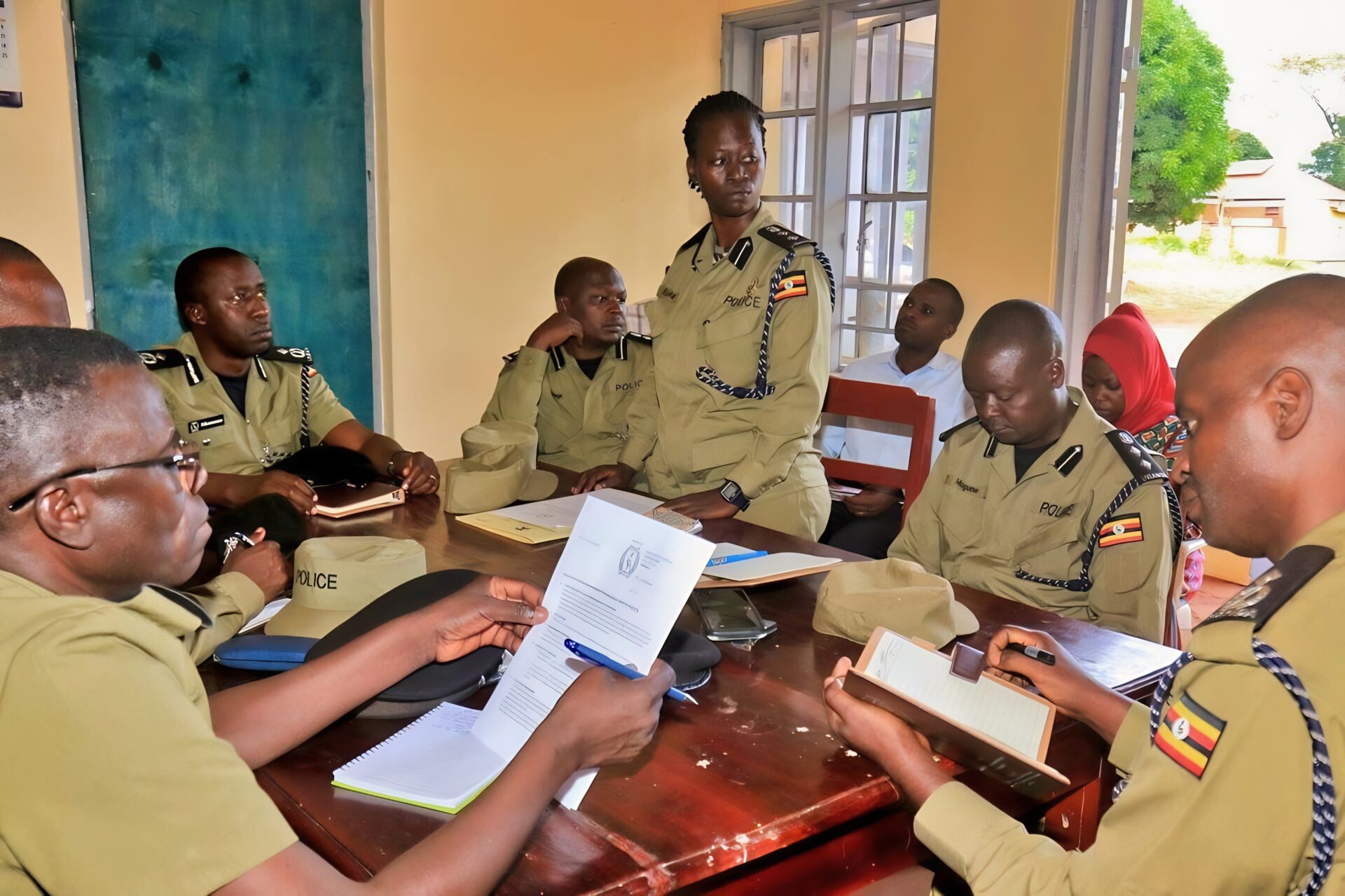
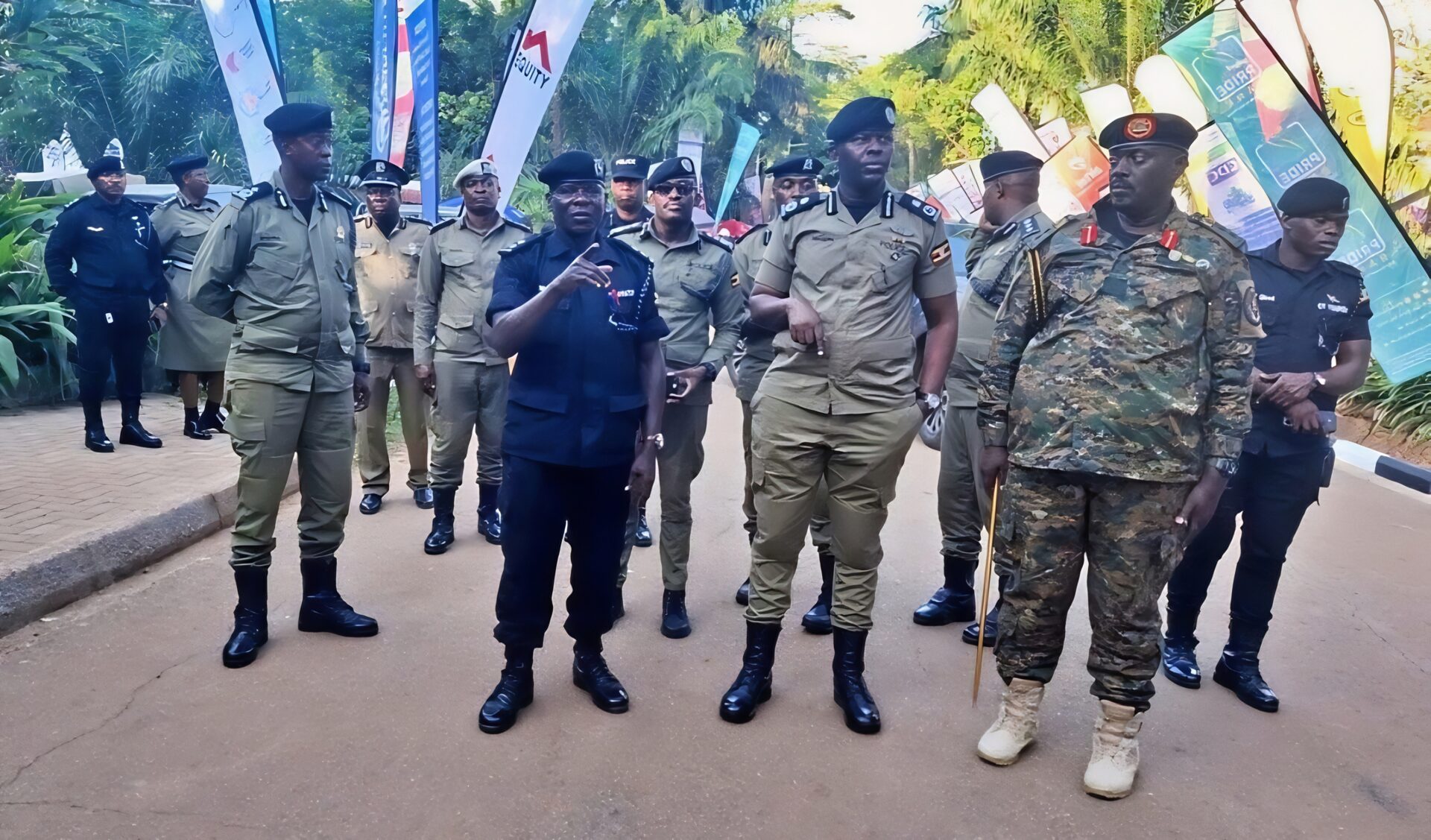
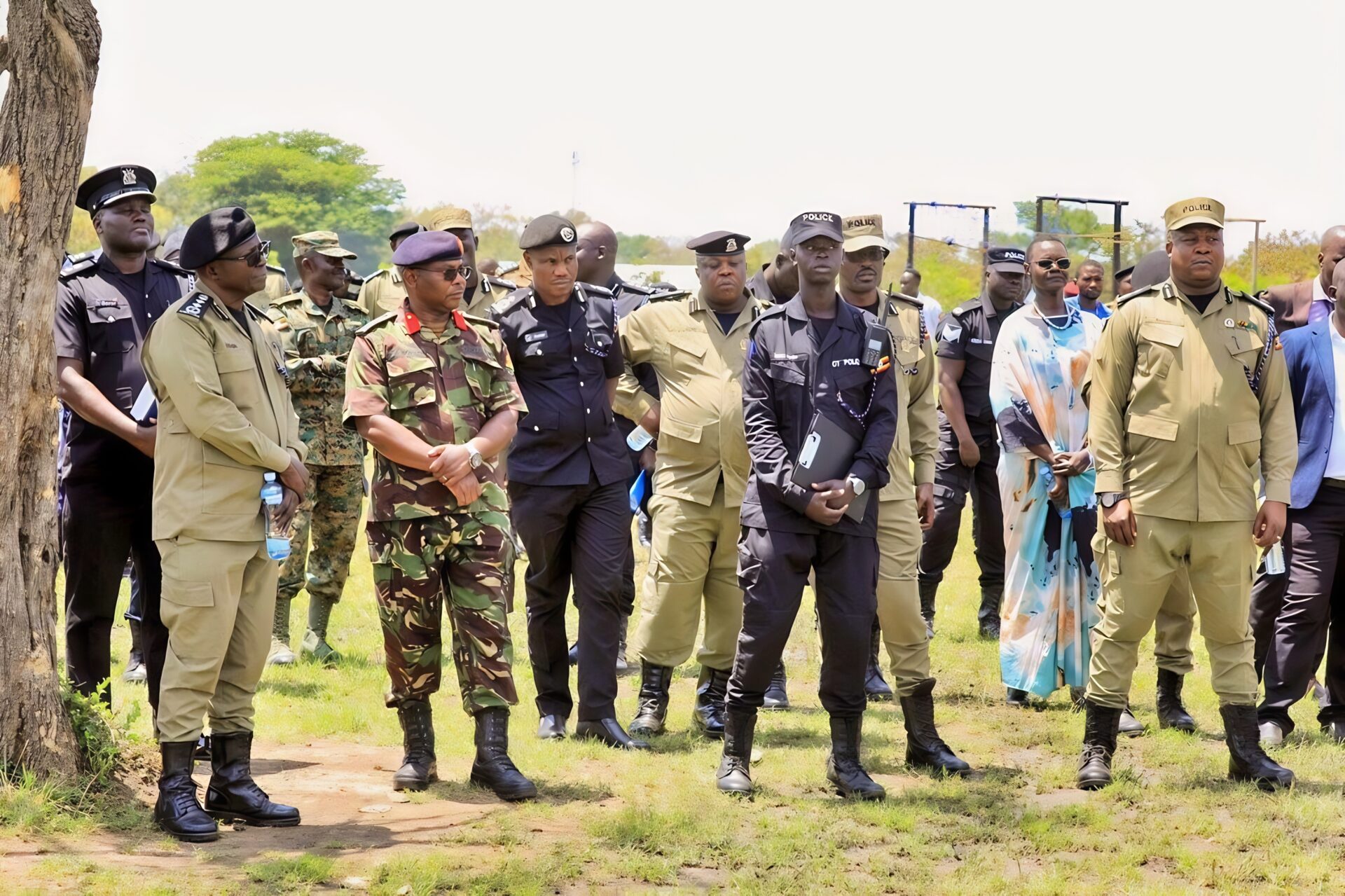 The political reality, engineered over decades, is starkly different. The force has been reconfigured into the first line of defence for the ruling regime. This shift is not accidental, but is the direct result of the systemic tribal patronage and ideological capture previously discussed. When the leadership roster is a monolith of loyalists, the institution’s output inevitably reflects the priorities of its master, not its mission.
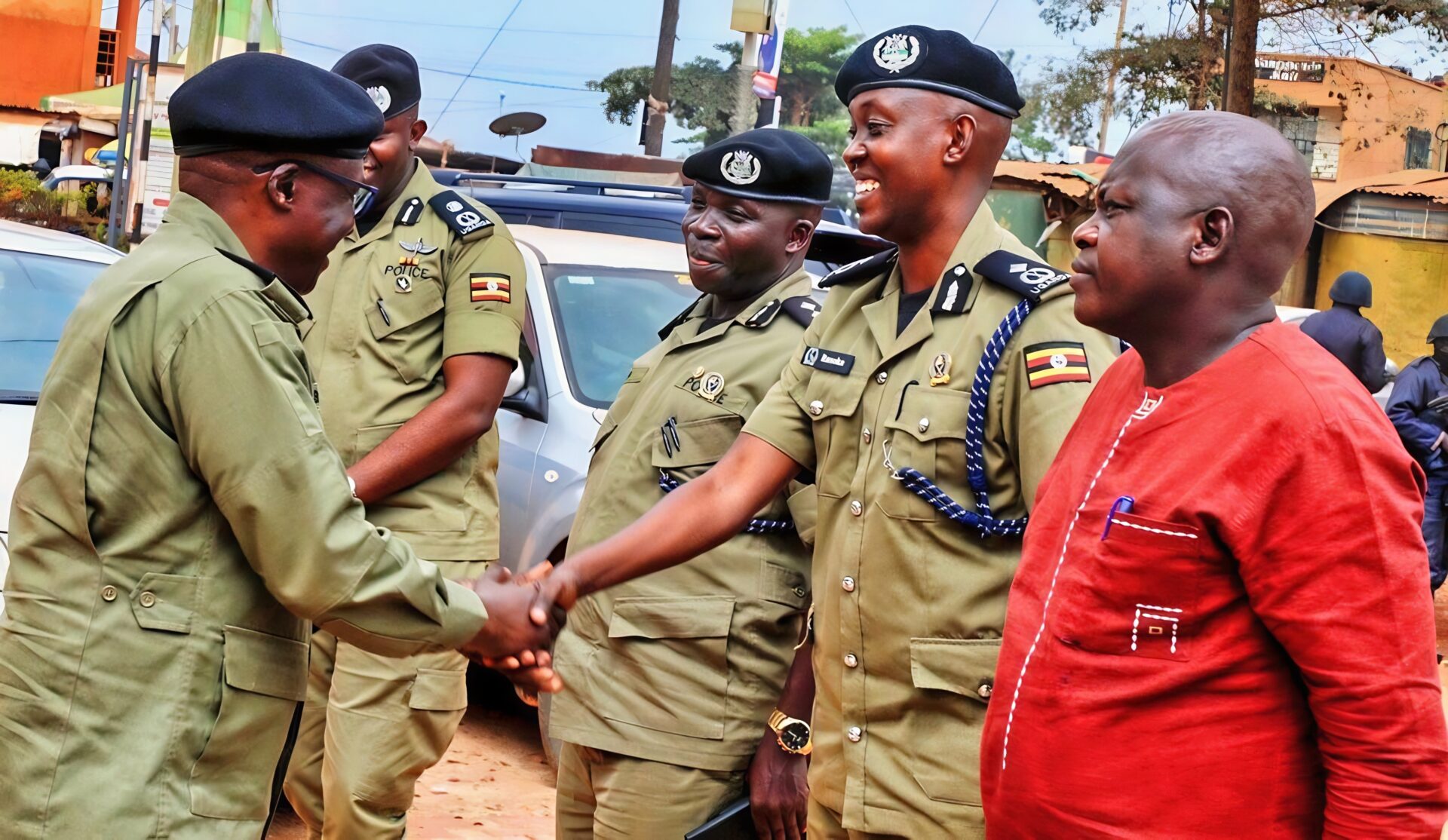 Together, they embody the corrupting nature of absolute power, transforming a public service into a private militia that exists not to serve the nation, but to keep a single dictator in power.
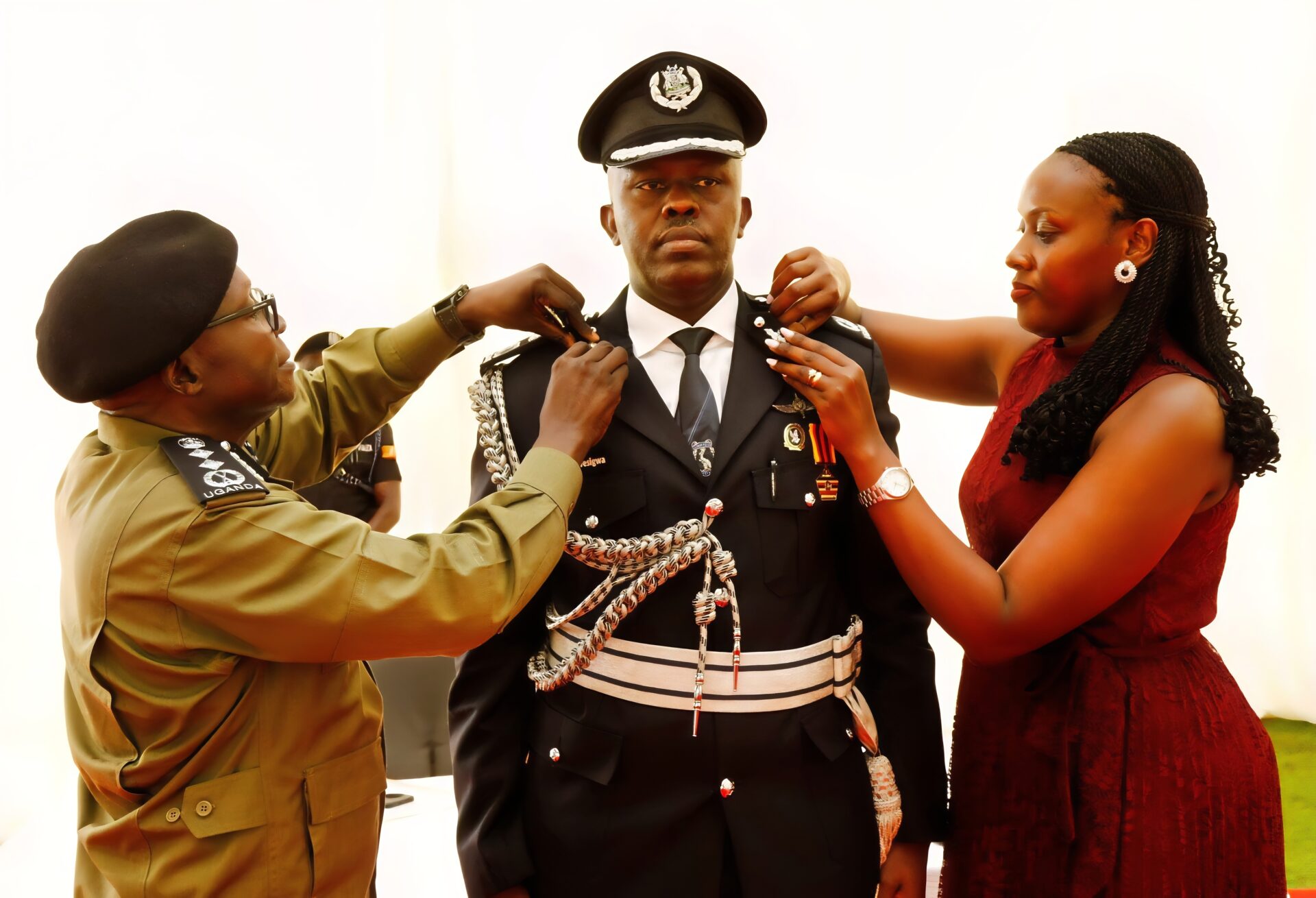 By systematically sidelining the nation’s best talent in favour of a narrow ethnic elite, Dictator Museveni has not strengthened his grip on power; he has merely ensured that the institution meant to protect the state is being robbed of the very excellence it needs to survive and thrive in the long term.
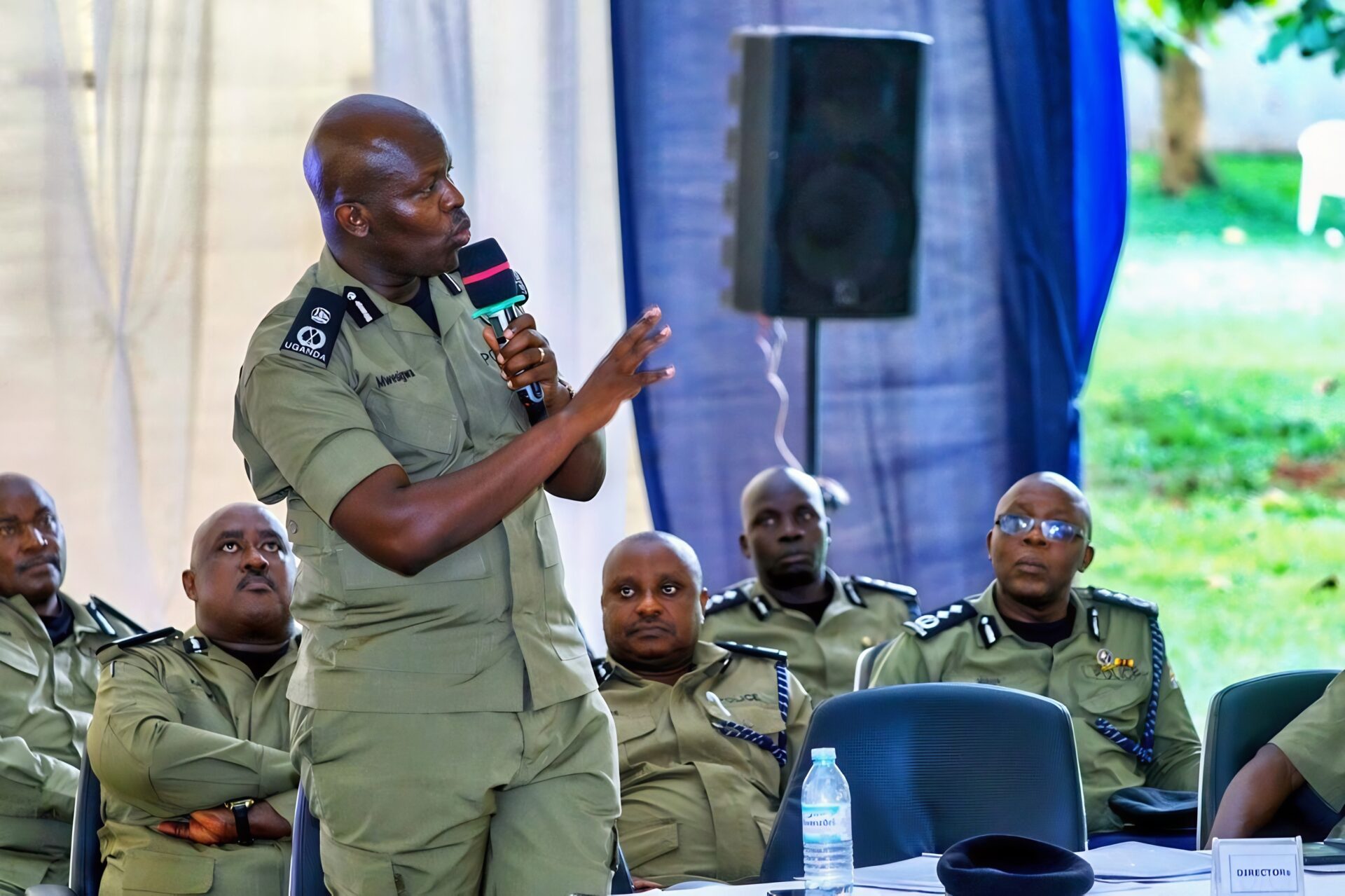 This systemic discrimination creates a chilling paradox, where the very institution mandated to uphold the law is itself operating in brazen defiance of it. The situation brings to mind the adage that “the law is a shield for the weak,” yet in Uganda, the constitution has been twisted into a weapon to entrench the power of the strong, leaving the majority of citizens without its protection.
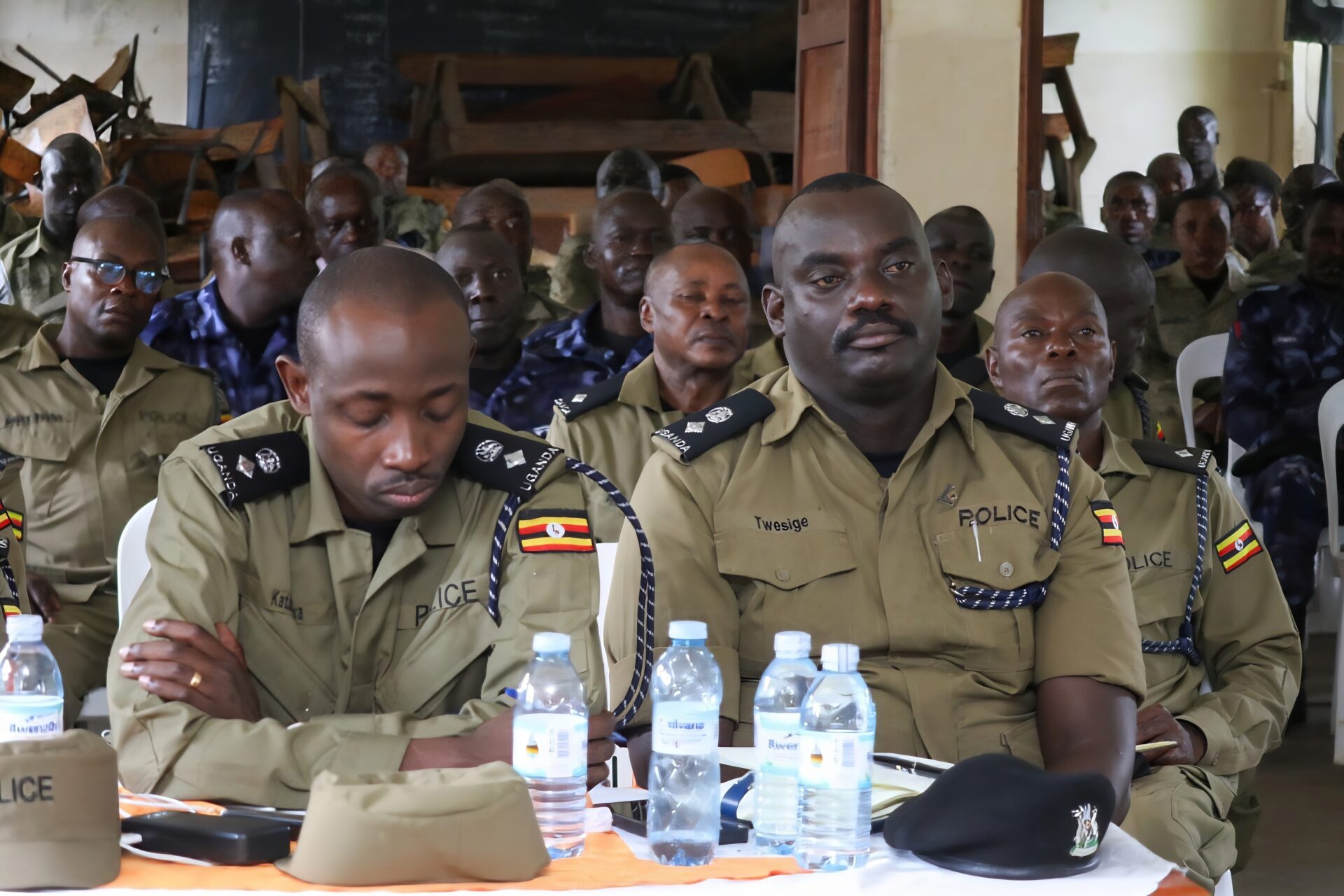 The adage, “the numbers don’t lie,” is particularly apt here, as the statistical reality and documented patterns of exclusion expose this justification as a politically convenient fiction.
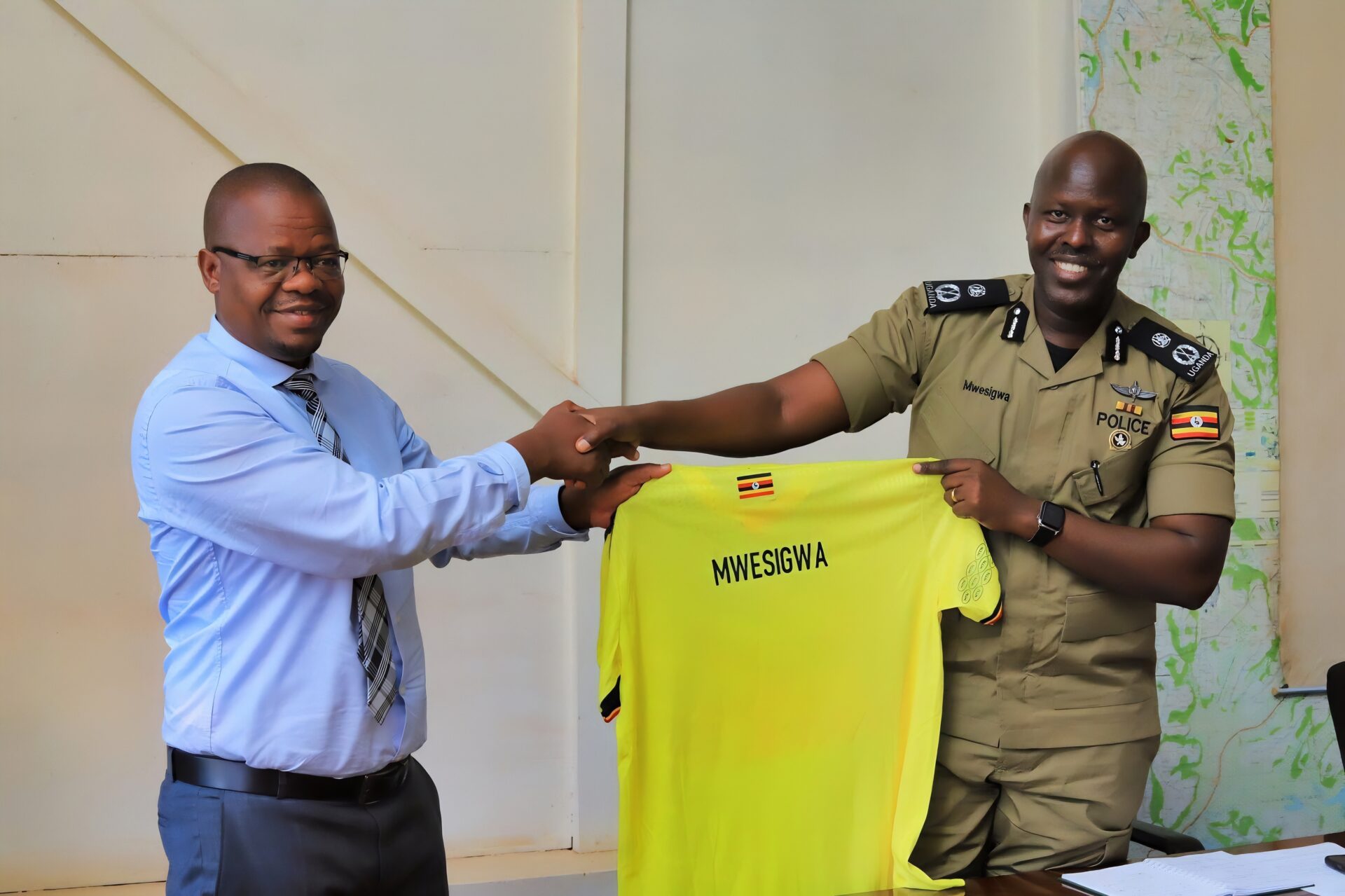 In reality, it is incurring enormous costs: the waste of billions of shillings in public funds, the collapse of effective policing, and the erosion of national security. The ultimate price is paid not by the regime, but by the ordinary Ugandan taxpayer who funds this failing system and then suffers the consequences of a police force that is too corrupt, too incompetent, and too partisan to keep them safe.
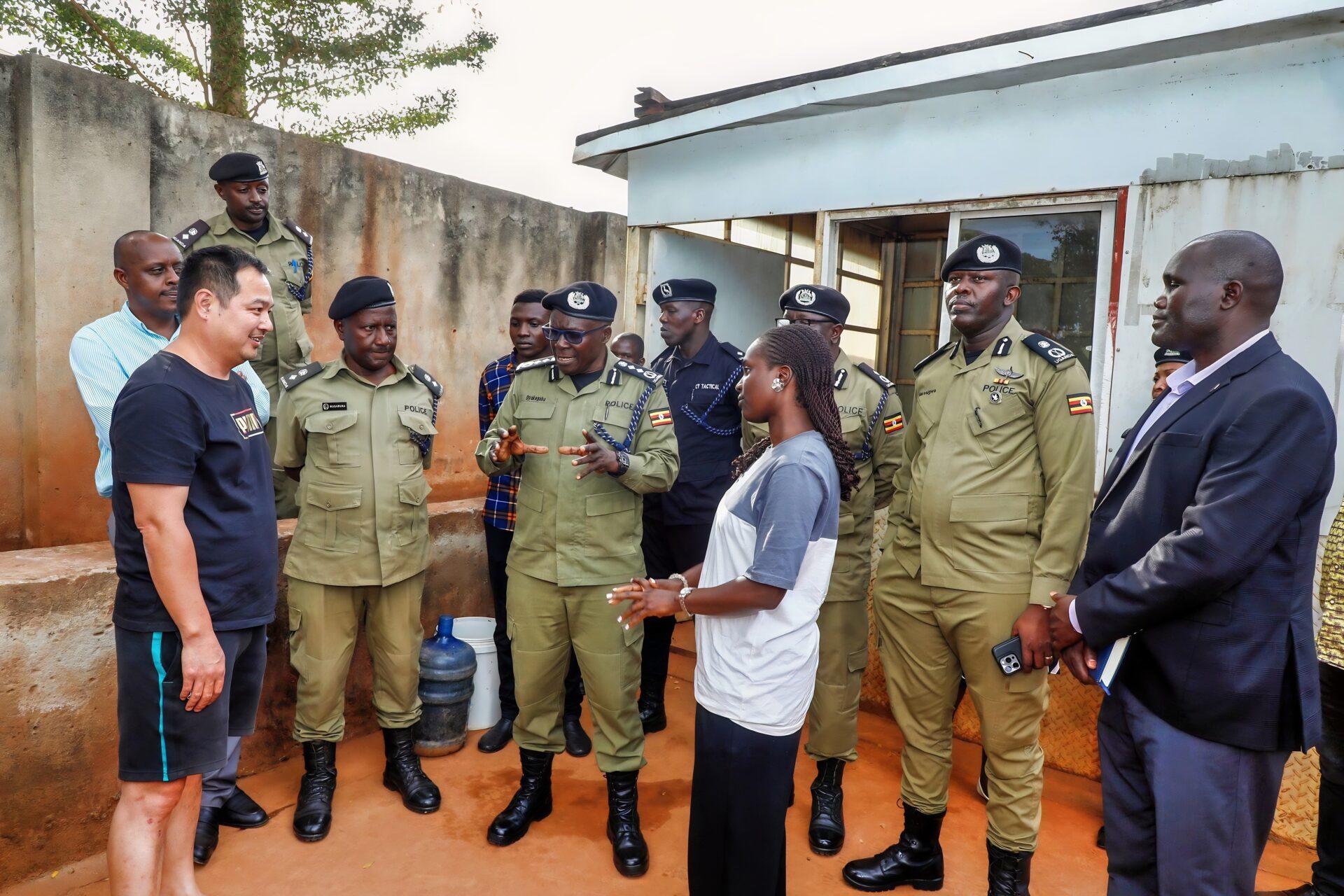 Until the police are depoliticised and returned to their constitutional mandate, the Ugandan people will continue to live in a state where their protectors are their most feared persecutors, and the right to life and dignity is contingent upon silent acquiescence to unlimited power.
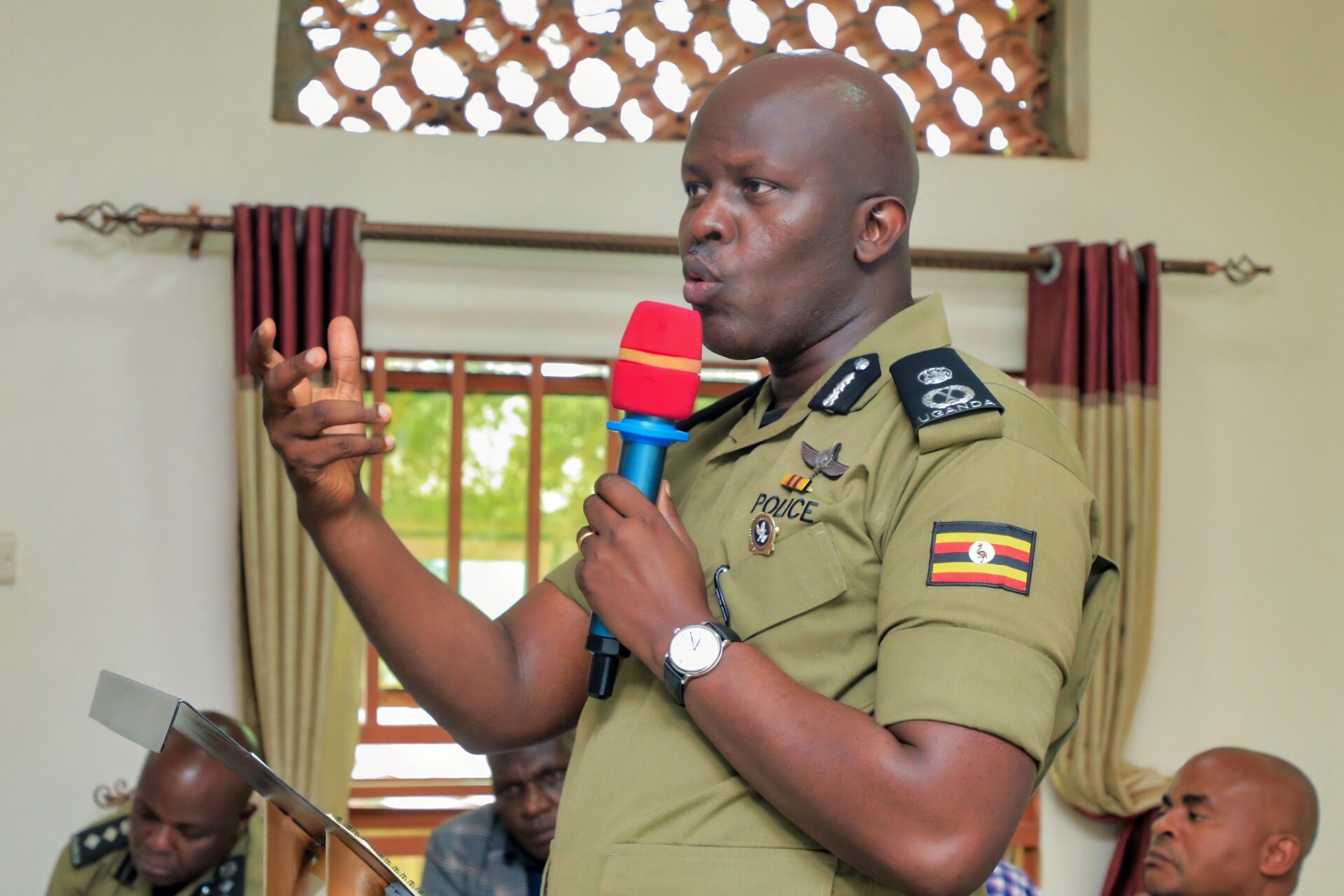 They represent a cost that Dictator Museveni’s regime has been willing to incur, trading Uganda’s global credibility for the short-term security of his own power. Until the police force is reformed to uphold the rule of law rather than violate it, Uganda will continue to be viewed not as a responsible international partner, but as a nation where the guardians of peace have become the agents of terror.
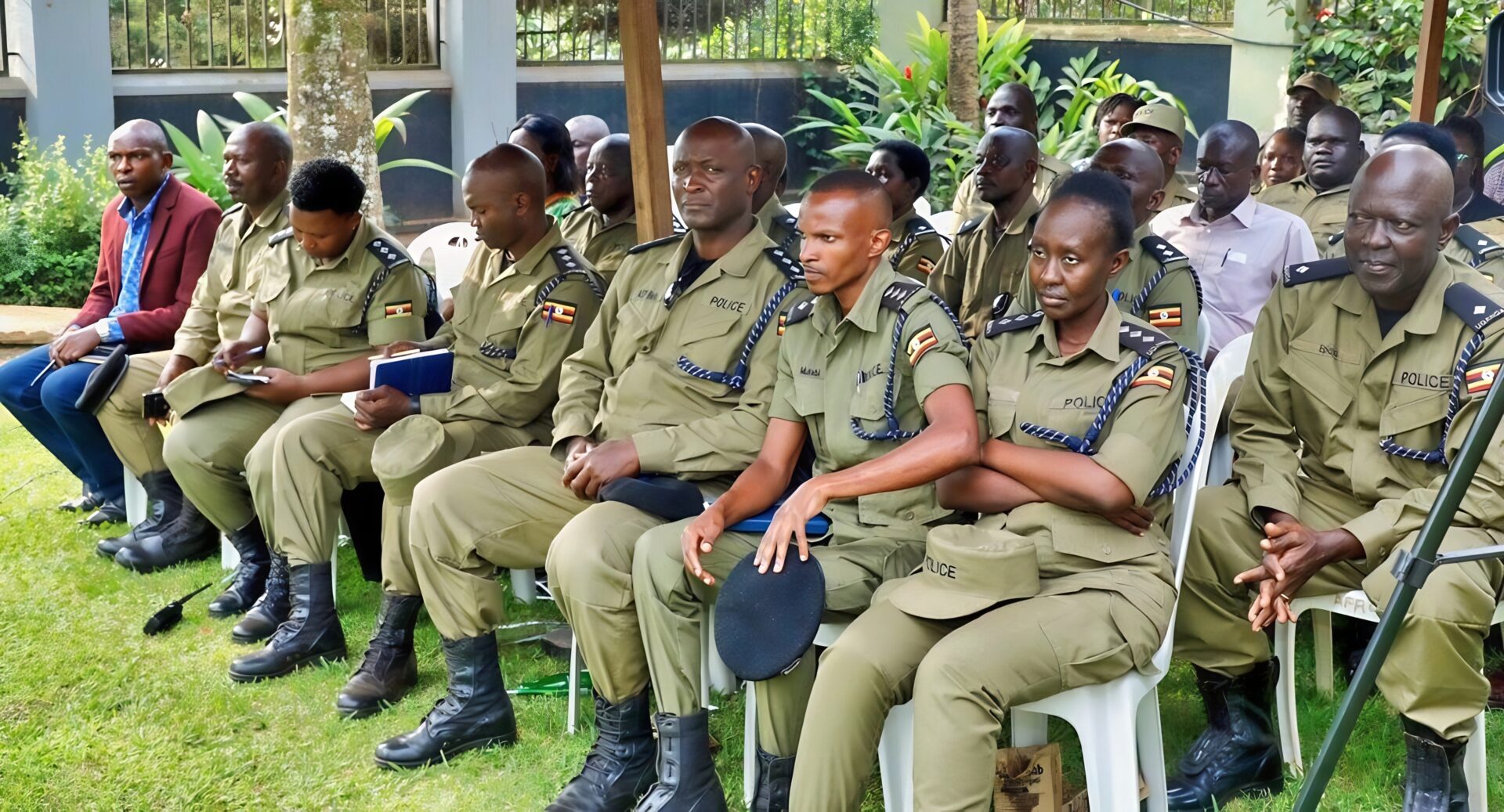 In conclusion, the Uganda Police Force is the most glaring and damaging manifestation of a nationwide crisis of governance. It is the sharp, public-facing edge of a blunted and corrupted system. Until the rot at the head is addressed, every institution will continue to decay, but it is the police, by virtue of its intimate and coercive contact with the people, that most vividly demonstrates the tragic cost of building a state not for the nation, but for a tribe.
 The adage, “those who cannot remember the past are condemned to repeat it,” rings with a sobering truth; by ignoring the instability sown by previous ethnic stacking, the current regime is cultivating the same seeds of national discord.
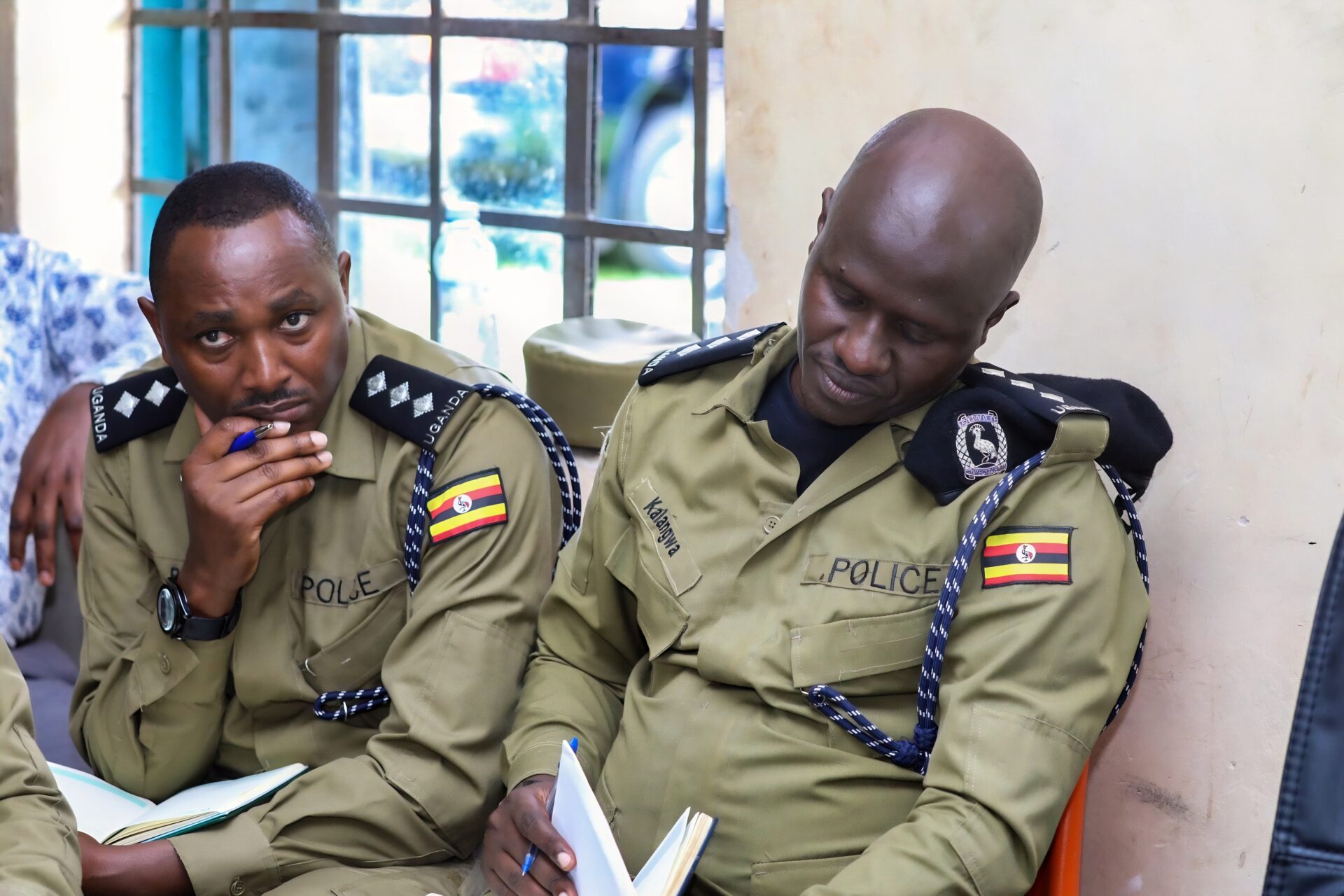 The favouritism shown to the Kakwa under Amin and the Banyankole under Museveni are two acts in the same tragic play, both leading towards the same finale: a nation perpetually divided against itself, where the instruments of the state are viewed not as protectors, but as occupiers representing a privileged few. Until this cycle is broken, Uganda’s future will remain hostage to the unlearned lessons of its past.
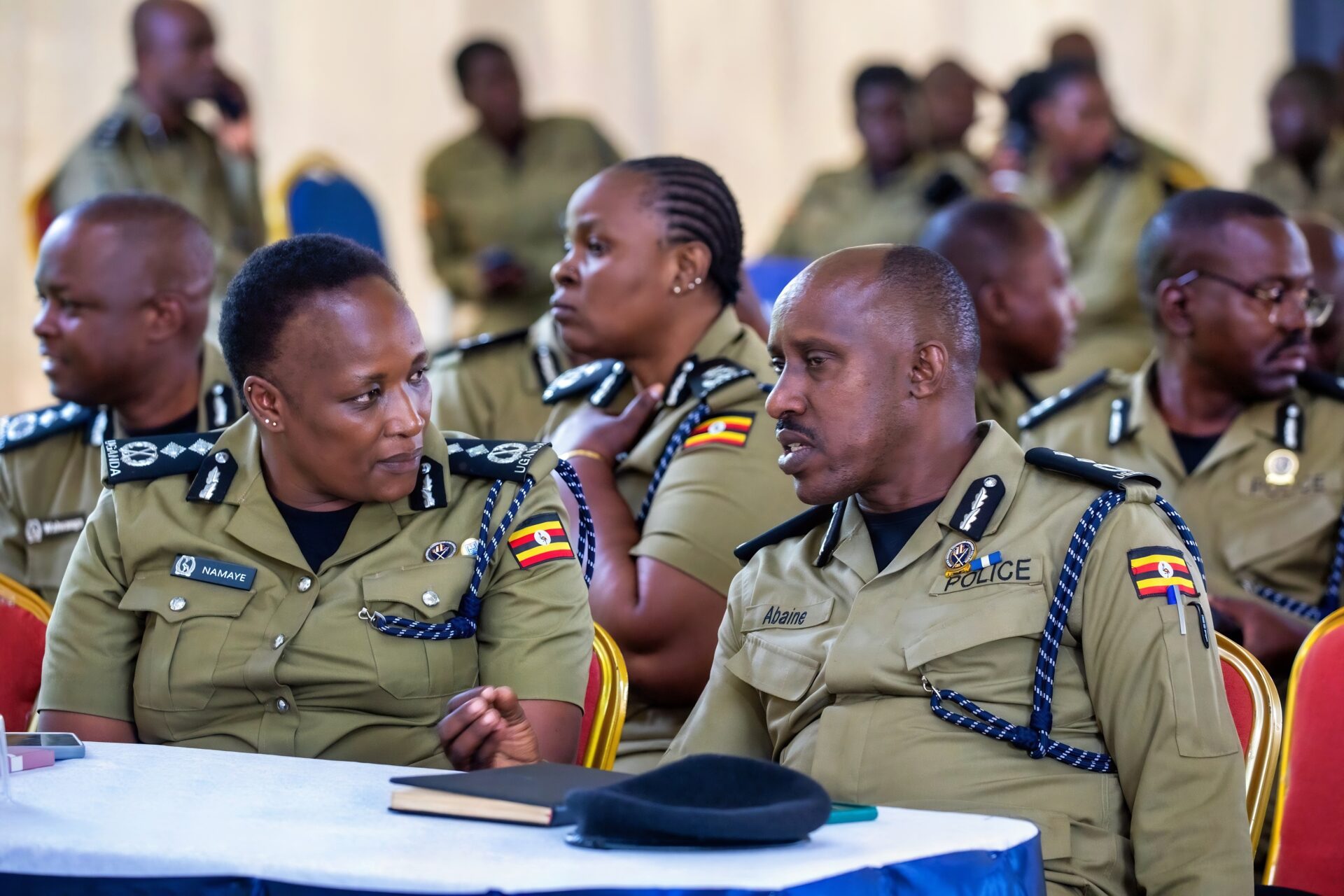 Their oversight does not curb the excesses of the police; it institutionalises them. Until this political stranglehold is broken, and oversight is returned to individuals with a genuine commitment to national, rather than tribal, service, any talk of police reform will remain an empty echo in the corridors of power.
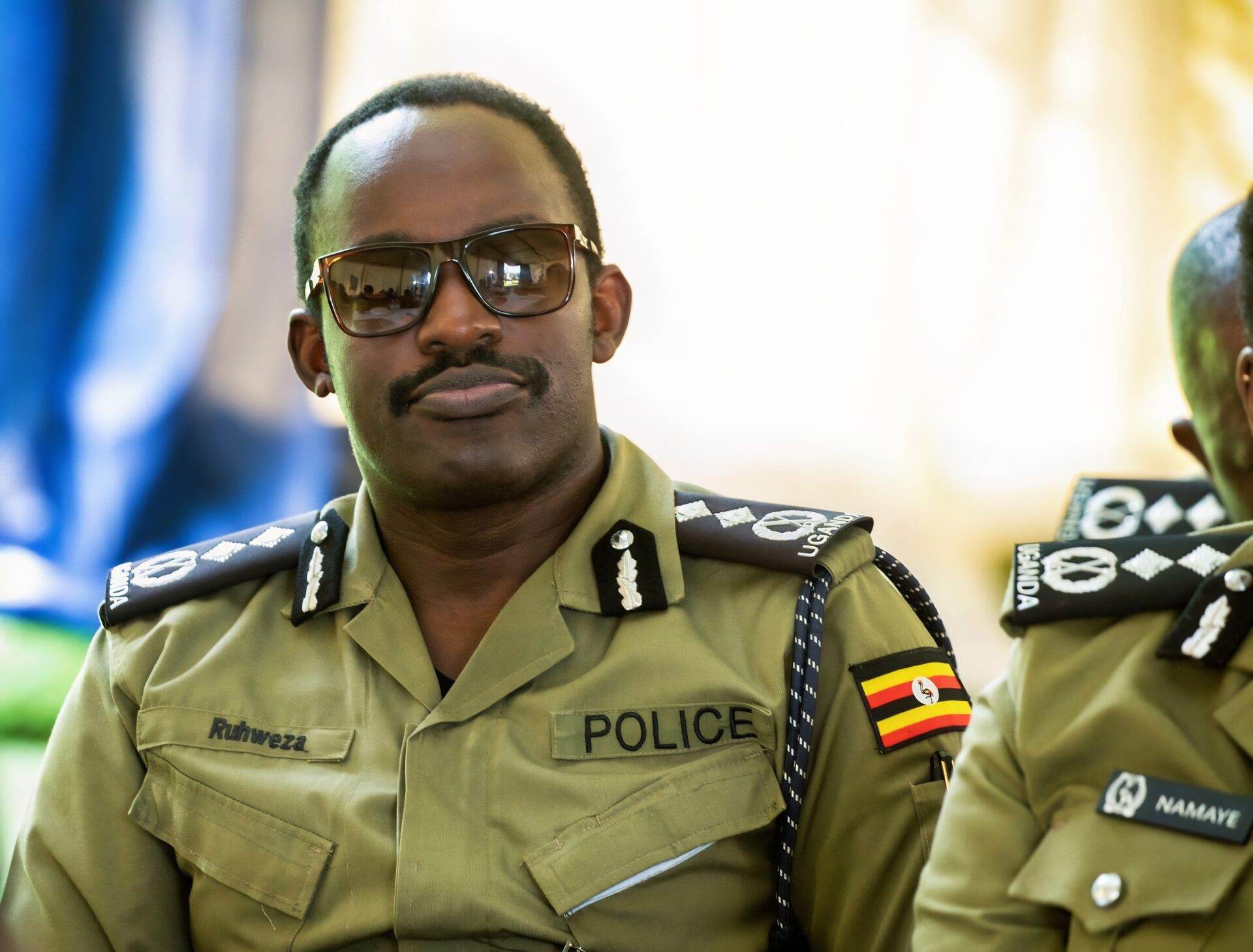 By implementing ethnic quotas to ensure representation, establishing independent oversight to enforce accountability, and mandating transparency to guarantee fairness, the country can begin the painstaking work of rebuilding. It is a truth universally acknowledged that “you reap what you sow.” For the sake of its future peace and unity, Uganda must now choose to sow the seeds of a police force that serves all its people, not just the interests of a single, powerful tribe.
Dismantling the Defences: A Rebuttal to the Justifications for Tribal Favouritism
In any robust discussion on governance, it is crucial to engage with and dismantle the counterarguments that sustain the status quo. The systemic tribal stacking within the Uganda Police Force is often defended using two primary justifications: the necessity of merit-based appointments and the irrelevance of ethnicity if performance is adequate. A clear-eyed examination, however, reveals that these arguments are not merely flawed; they are actively dismantled by the empirical reality on the ground. Engaging with these perspectives is not an academic exercise, but a necessary step in exposing the fragility of the regime’s narrative. As the adage goes, “the proof of the pudding is in the eating,” and the bitter taste of institutional failure and public alienation proves that the current recipe for policing is fundamentally unsound.
Counterargument 1: “Appointments are based on merit and loyalty in a volatile security environment.”
This is the regime’s most frequently deployed defence, designed to cloak patronage in the respectable language of competence and national security.
The Rebuttal:
The Illusion of Merit: The claim of meritocracy collapses under the weight of demographic impossibility. Uganda has 56 tribes, each producing capable and educated individuals. The statistical probability that the most qualified candidate for every single strategic command position—from operations and intelligence to human resources and legal affairs—invariably hails from one specific ethnic group is infinitesimally small. This is not a meritocracy; it is a meticulously curated system of preference.
The Systematic Sidelining of Talent: There are countless documented cases of senior officers from regions like Acholi, Teso, and Buganda with impeccable credentials and decades of distinguished service who find their careers permanently stalled. They are relegated to peripheral administrative roles or stagnant postings, while less experienced officers from the favoured group are fast-tracked into core command positions. This is not the hallmark of a system that rewards merit.
The Conflation of Loyalty: The argument deliberately conflates “loyalty to the state” with “loyalty to the incumbent dictator.” True loyalty to the state would mean fidelity to the Constitution and the equal service of all citizens. However, the police’s conduct—the violent suppression of dissent in opposition strongholds and the partisan application of the law—demonstrates a loyalty that is distinctly personal and partisan. A diverse police force, drawing on the cultural intelligence and community trust of all Uganda’s peoples, would be far more effective at ensuring genuine national security than a cloistered ethnic cabal that views the majority of the population with suspicion.
Counterargument 2: “Tribal representation is a non-issue if the police perform their duties effectively.”
This perspective attempts to sideline the issue of ethnicity as a secondary concern, arguing that performance is the only metric that matters.
The Rebuttal:
Performance is Precisely the Casualty: its own premise refutes this counterargument. The performance of the Uganda Police Force is severely compromised precisely because of its lack of impartiality and representativeness. When a police force is perceived as a partisan, tribal entity, it loses the most critical element for its effectiveness: public trust and cooperation.
The Data on Distrust and Inefficiency: The 2021 Uganda Police Crime Report itself provided damning evidence, showing a significant decline in the public’s willingness to report crimes in regions like Teso. This is not a coincidence; it is a direct consequence of the perception that the police are biased and unresponsive to local concerns. When crimes go unreported and witnesses refuse to come forward, crime-solving rates inevitably plummet. This creates a vicious cycle where ineffectiveness breeds more distrust.
The Cost of Unrest: Furthermore, the police’s primary focus on regime protection, rather than impartial law enforcement, actively fosters unrest. The brutal crackdowns on protest and the suppression of legitimate dissent are not signs of a well-performing force; they are indicators of an institution that has failed in its core mission to maintain public order through consent and has resorted to maintaining control through fear.
In conclusion, the justifications for the current system are intellectually bankrupt. The proof of the pudding is in the eating, and the Ugandan public, along with sidelined officers, are living with the taste of a failing institution. The arguments for “merit” ignore the systematic exclusion of qualified talent, while the focus on “performance” wilfully overlooks the fact that the force’s partisan nature is the very cause of its operational deficiencies. To accept these counterarguments is to ignore the overwhelming evidence that the Uganda Police Force has been crippled not by a lack of resources, but by a surplus of tribal politics.
Conclusion: A House Divided Against Itself Cannot Stand
The meticulous transformation of Uganda’s police force from a national institution into a tribal enclave represents far more than a political grievance; it is a foundational crisis that strikes at the very heart of the nation’s social contract. When the guardians entrusted with upholding the law are reconstituted into a partisan guard loyal to a single individual, the security of every citizen is compromised. The pervasive use of Runyankore in high-level strategy meetings is not a simple linguistic preference, but a potent symbol of a deeper institutional malaise—a system where, as the adage goes, “a house divided against itself cannot stand.” This division, deliberately engineered along ethnic lines, fosters a state of perpetual vulnerability, where the force meant to ensure stability becomes the primary source of institutional instability.
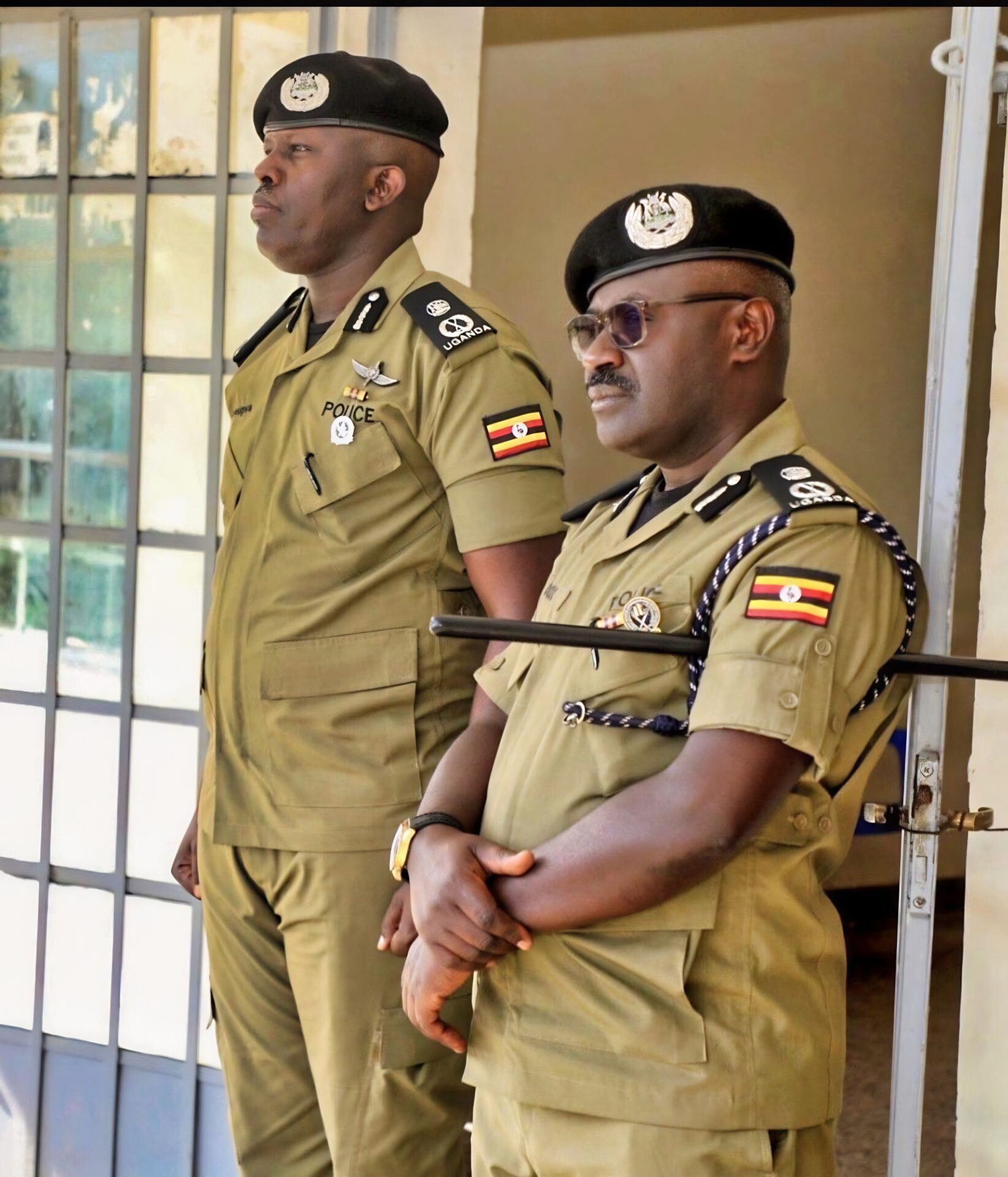 The ethnic stranglehold on the police command structure creates a self-defeating paradox. By prioritising the narrow loyalty of a select few over the broad competence of a diverse nation, the regime of Dictator Museveni has cultivated a force that is morally bankrupt and operationally crippled. It is a house divided, where officers from the majority of Uganda’s tribes are systematically alienated, public trust has evaporated, and justice is perceived as a commodity reserved for the connected. This internal rot manifests in failed investigations, public unrest, and a devastating brain drain, proving that a security apparatus built on exclusion is inherently insecure.
Until this stranglehold is broken through unwavering constitutional reforms, transparent appointments, and a genuine commitment to inclusive policies, the Uganda Police Force will remain not a shield for the people, but a weapon for the regime. Uganda’s enduring dream of a just and cohesive society remains elusive, held hostage by a governance model that prizes control over covenant. As we reflect on this reality, a single, unsettling question demands an answer: can a nation truly prosper, can it even hope to stand, when its designated protectors are engineered to serve only a fraction of its people? The future of Uganda hinges on a return to the fundamental principle that its institutions must mirror the rich, vibrant diversity of the nation they swore to serve.

RELATED PUBLICATIONS:
 Jennifer Nakangubi (Full Figure) Assault: How Social Media Amplified Violence Against Women in Uganda
 Uganda Police Briefing: Jennifer Nakangubi (Full Figure)& Electoral Neutrality Pledge
 The Politics of Patronage: Analysing Museveni’s Leadership Style in Uganda
 Uganda Police Force Defends Arrests, Denies Kidnap Allegations
 The Unspoken Truth: Is the 1995 Ugandan Constitution Still Relevant?